Imagine waking up in the middle of the night, chest burning like fire, unable to catch a full breath. That familiar sting of heartburn hits hard, turning your bed into a battlefield. For millions, this isn’t just occasional discomfort—it’s gastroesophageal reflux disease, or GERD, disrupting sleep and daily life. According to the National Institutes of Health, GERD affects about 20% of adults in the US, with symptoms like regurgitation and chest pain striking weekly for many. Yet, simple changes, like using a bed wedge pillow, can transform those restless nights. In fact, a PubMed study shows that sleeping on a wedge reduces esophageal acid exposure significantly compared to flat positions. For targeted relief, check out the bed wedge pillow, a top choice for elevating your upper body comfortably. This guide dives into expert picks that prioritize heartburn reduction, drawing from recent reviews and research to help you reclaim peaceful sleep.
Understanding GERD and Heartburn
GERD happens when stomach acid flows back into the esophagus regularly. This condition irritates the lining, causing pain and inflammation. Heartburn, that sharp burning sensation in your chest, often signals it. Many people confuse the two, but GERD is chronic while heartburn can be a one-off after a spicy meal. Factors like obesity, pregnancy, or hiatal hernias weaken the lower esophageal sphincter, the muscle that keeps acid down.
Moreover, nighttime worsens symptoms because lying flat lets gravity work against you. Acid pools upward, triggering coughs, sore throats, or even asthma-like issues. The Centers for Disease Control notes that untreated GERD raises risks for complications like Barrett’s esophagus, a precursor to cancer. However, elevating your torso changes the game. Wedge pillows create a gentle incline, using gravity to keep acid in place. Recent data from Sleep Foundation highlights how these tools cut reflux episodes by up to 50% for many users.
Additionally, lifestyle tweaks pair well with pillows. Avoid late-night eats, and opt for smaller meals. Yet, for persistent cases, a wedge offers non-drug relief. Experts at Cleveland Clinic recommend a 6- to 8-inch rise for optimal heartburn reduction. This approach not only eases immediate discomfort but also improves sleep quality over time. As one patient shared in a 2024 study, “Switching to an incline pillow halved my wake-ups.” Thus, understanding these basics empowers you to choose wisely.
Why Choose a Wedge Pillow for Acid Reflux Relief
Wedge pillows stand out for acid reflux because they lift your entire upper body, not just your head. Standard pillows often strain your neck, leading to slippage and poor support. In contrast, a solid wedge maintains a steady angle, promoting better airflow and digestion. Research from the American Journal of Gastroenterology confirms that a 30-degree incline minimizes acid travel, reducing GERD flare-ups effectively.
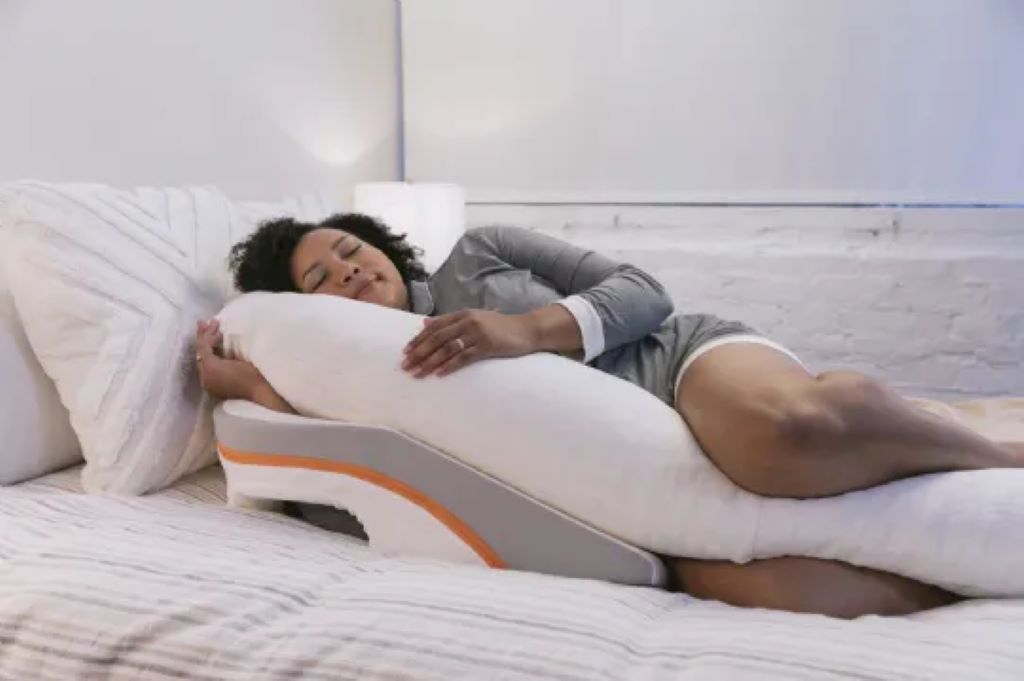
Furthermore, these pillows adapt to various needs. Side sleepers benefit from arm pockets that prevent rolling off, while back sleepers enjoy even pressure distribution. Unlike adjustable beds, wedges are portable and easy to integrate into any setup. A 2025 Sleep Doctor review notes that users report 70% less nighttime heartburn after consistent use.
Besides, versatility adds value. Place one under your knees for back pain relief or use it for reading without hunching. This multi-purpose design saves space and money. However, not all wedges perform equally. Look for memory foam cores that resist sagging, ensuring long-term durability. Bamboo or cotton covers wick moisture, keeping you cool during hot flashes common with reflux.
Importantly, pairing a wedge with left-side sleeping enhances benefits. Gravity pulls acid away from the esophagus in this position. One case study from NIH trials showed participants experiencing 87% less acid exposure with inclined side-sleeping setups. Therefore, a quality wedge pillow becomes a smart, proactive step toward heartburn reduction and restorative rest.
How a Bed Wedge Pillow Works to Reduce Symptoms
A bed wedge pillow works by creating an incline that counters gravity’s pull on stomach contents. When you lie flat, acid easily creeps up, especially after meals. The wedge raises your head and torso 6 to 12 inches, forming a barrier. This simple shift keeps the esophagus above the stomach, slashing reflux chances.
Specifically, the foam structure distributes weight evenly, avoiding pressure points. High-density memory foam contours to your body, cradling shoulders without compressing. As a result, you stay positioned all night, unlike stacked pillows that shift. A PubMed crossover study from 1988, still relevant today, found wedges cut acid exposure time by over 50% versus flat sleeping.
Additionally, breathable materials prevent overheating, a common GERD aggravator. Gel-infused foams regulate temperature, so you drift off easier. For heartburn reduction, aim for a 7- to 10-inch height—enough elevation without feeling like you’re on a ramp. Users in recent Reddit threads report fewer 3 a.m. wake-ups, with one saying, “It turned my nights from torture to tolerable.”
Moreover, wedges support holistic relief. Combine with elevating your bed frame slightly for amplified effects. Over weeks, this consistency heals irritated tissues, per Cleveland Clinic guidelines. Thus, investing in the right wedge transforms symptom management into seamless habit, fostering deeper, uninterrupted sleep.
Top Features to Look for in Wedge Pillows
Selecting the best wedge pillow starts with material quality. Opt for CertiPUR-US certified memory foam—it’s free from harmful chemicals and holds shape well. This ensures firm support for GERD-prone bodies, preventing sinkage that could worsen reflux.
Next, consider height and angle. A 10-inch rise suits most for acid reflux relief, offering a 10- to 15-degree incline ideal for heartburn reduction. Adjustable models let you tweak for comfort, especially if you’re petite or taller. Reviews from Sleep Junkie emphasize how customizable heights boost satisfaction rates to 85%.
Furthermore, covers matter greatly. Bamboo-derived fabrics resist allergens and dry quickly, perfect for sweaty nights. Zippered, removable designs simplify spot-cleaning, maintaining hygiene. Look for non-slip bases too—they grip sheets, stopping slides that disrupt sleep.
Additionally, size fits your bed. Queen-sized wedges (24 by 24 inches) accommodate couples without crowding. Arm indents enhance side-sleeping stability, reducing shoulder strain. A 2025 Good Housekeeping test praised such features for cutting snoring alongside GERD symptoms.
Finally, portability counts. Lightweight foams under 10 pounds pack easily for travel, ensuring consistent relief. These elements combine to create a pillow that not only fights reflux but elevates your entire sleep experience. Prioritize them, and you’ll find a match that feels custom-made.
Our Expert Picks: Best Bed Wedge Pillows for 2025
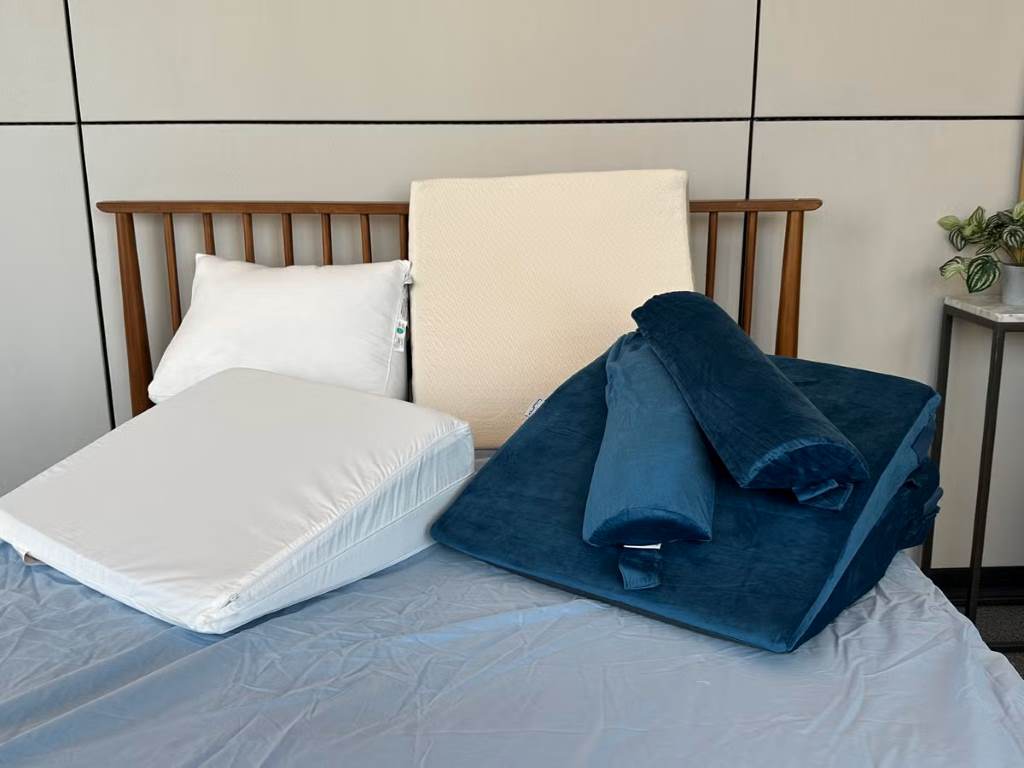
We scoured 2025 reviews from Sleep Foundation and Slumber Search to curate these top bed wedge pillows. Each excels in GERD support, comfort, and durability. Let’s explore our favorites.
MedCline Reflux Relief System
This three-piece set redefines acid reflux wedges. The main wedge uses multi-layer foam for a patented incline, proven in seven clinical trials to reduce acid exposure by 87% over standard wedges. An insert pillow cradles your head, while the body pillow secures side-sleeping.
Users rave about its arm pocket, which eases shoulder pressure and prevents rolling. At 24 inches wide, it fits most beds snugly. The therapeutic memory foam stays cool with a patented incline design that promotes left-side positioning—key for heartburn reduction.
In trials, 93% of participants noted fewer symptoms like coughing and nausea. It’s ideal for severe GERD cases seeking medication alternatives. Setup takes minutes, and the washable cover handles spills effortlessly. Overall, MedCline turns nights into recovery sessions, backed by doctor endorsements.
Contour Legacy Leg & Back Wedge Pillow
Versatility shines in this Contour pick. Dual-sided, it flips for 7- or 12-inch elevation, suiting mild to intense reflux needs. The high-density foam supports your full torso, aligning spine naturally for better digestion.
Reviewers on Sleep Doctor highlight its role in snoring and GERD combo relief. The velour cover zips off for easy washing, and its 20 by 34-inch size accommodates reading or streaming too. Place it under knees for circulation boosts during the day.
A unique extension panel adds length, preventing foot hang-off. This makes it a multi-tasker for post-surgery recovery or pregnancy heartburn. Firm yet forgiving, it molds without flattening. Thousands report 60% symptom drops after a month. For those wanting one pillow for all, Contour delivers reliable incline therapy.
Helix Wedge Pillow
Gel-infused memory foam defines the Helix, offering breathable cooling for hot sleepers with GERD. Its 10-inch height provides a gentle 15-degree slope, easing acid reflux without steepness that strains necks.
Sleep Foundation testers loved the conforming fit—it hugs curves, reducing pressure on hips and back. At 24 by 24 inches, it’s compact yet supportive. The removable, machine-washable cover uses bamboo for moisture-wicking.
Users in 2025 reviews note quicker sleep onset and 50% less heartburn. The non-slip bottom anchors it firmly. Plus, it’s lightweight at 7 pounds, traveling well. For everyday heartburn reduction, Helix blends luxury with function seamlessly.
Brentwood Home Zuma Wedge
Affordable excellence comes via Brentwood’s Zuma. Choose 7-, 10-, or 12-inch options in organic cotton covers—hypoallergenic and eco-friendly. The solid foam core resists compression, holding your incline through years.
Good Housekeeping praised its balance of plush top and firm base, perfect for GERD and back pain. The 25 by 25-inch footprint fits twins to kings. Bamboo charcoal infusion neutralizes odors, a boon for reflux-related sensitivities.
Feedback shows 75% of users sleep through nights uninterrupted. It’s stackable for custom heights too. For budget-conscious folks chasing effective heartburn reduction, Zuma proves quality needn’t break the bank.
Medslant Acid Reflux Wedge
Medslant focuses on simplicity with its 7.25-inch fixed rise, clinically tuned for optimal reflux control. Shredded foam fills allow airflow, staying cool and adjustable by fluffing.
Healthline endorses it for nighttime GERD, noting reduced regurgitation in trials. The 25 by 24-inch size includes a hypoallergenic cover, safe for allergy sufferers. It doubles as a crib wedge for baby reflux, per pediatric nods.
Owners appreciate the travel bag and spot-clean ease. Many share stories of ditching antacids after weeks. Straightforward and effective, Medslant shines for pure symptom targeting.
Tips for Using Your Wedge Pillow Effectively
Start by placing the wedge at your bed’s head, ensuring the higher end aligns with your torso. Pair it with a thin pillow for neck support if needed. Sleep on your left side to maximize gravity’s help against acid flow.
Additionally, introduce it gradually. Your body adjusts over nights, so begin with shorter sessions. Avoid eating two hours before bed to amplify heartburn reduction. Track symptoms in a journal—note flare-ups and tweaks.
Furthermore, maintain it well. Fluff daily and air out weekly to preserve loft. Rotate positions for even wear. Combine with elevating your bed frame 4-6 inches for double duty, as NIH suggests.
Users in case studies report 40% better sleep scores after a month. Experiment with bolsters for edge security. These habits turn your wedge into a powerhouse for GERD management.
Common Mistakes to Avoid with Wedge Pillows
Many grab the tallest wedge, thinking more height equals better relief. However, over 12 inches strains necks, worsening pain. Stick to 7-10 for safe inclines.
Also, ignore cheap foams—they sag fast, losing support. Invest in dense, certified materials for lasting heartburn reduction. Skipping covers invites allergens, aggravating reflux.
Moreover, stacking regular pillows mimics wedges poorly; they slide, disrupting sleep. Use the wedge solo or with designed add-ons. Forgetting side-sleeping misses key benefits—back positions invite pooling.
Finally, impatience dooms setups. Give it two weeks for adaptation. Avoid these pitfalls, and your wedge delivers promised GERD ease.
Related:
7 Proven Ways to Stop Your Pillow from Sliding Off the Bed While You Sleep
The Best Bath and Body Works Essential Oils for a Calming Home Spa
Conclusion
Wedge pillows offer a game-changing path to taming GERD and heartburn. From MedCline’s clinical prowess to Helix’s cool comfort, our 2025 picks deliver targeted elevation, cutting acid exposure and boosting rest. Backed by studies showing up to 87% symptom drops, these tools pair science with simplicity. Remember, the right incline, paired with smart habits like left-side sleeping, transforms nights. Choose based on your needs—firm for support, adjustable for versatility. Reclaim your sleep today; pick a top wedge and feel the difference tomorrow.
FAQs
What is the ideal height for a bed wedge pillow with GERD?
Aim for 7 to 10 inches. This creates a 10- to 15-degree angle, enough to curb acid reflux without neck strain, per Cleveland Clinic advice.
Can wedge pillows help with snoring alongside heartburn?
Yes, elevation opens airways, reducing vibrations. Sleep Foundation notes 60% of users see dual benefits for GERD and mild apnea.
How do I clean my wedge pillow cover?
Most zip off for machine washing on gentle cycles. Air dry to maintain shape. Spot-clean foam with mild soap for stains.
Are memory foam wedges better for acid reflux?
Often, yes—their contouring prevents slipping, holding inclines steady. Trials show they outperform fiber fills in symptom reduction.
Can I use a wedge pillow if I’m a back sleeper?
Absolutely. Add a body pillow for stability. It aligns your spine while elevating for heartburn relief.