
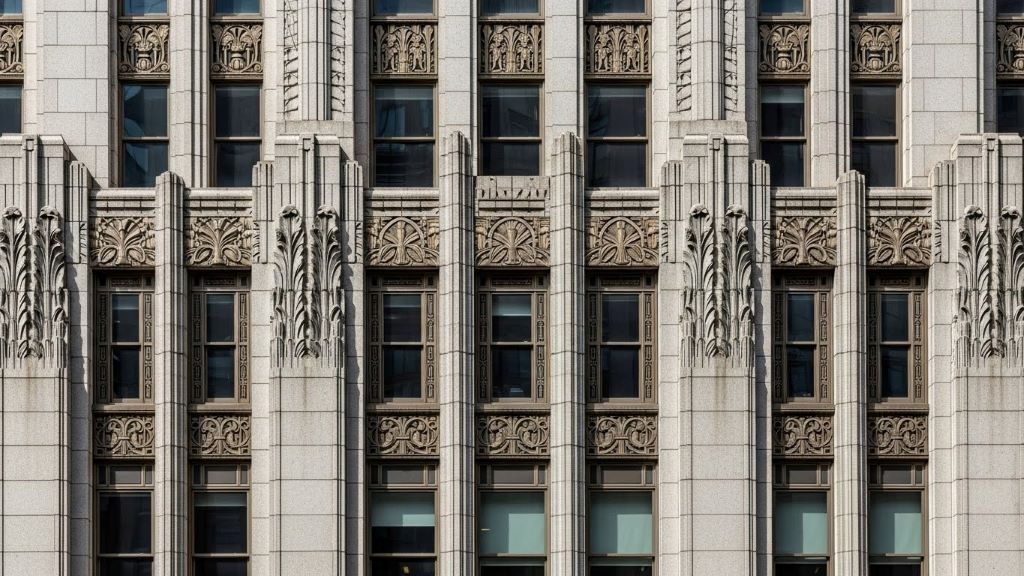
The golden age of American skyscraper design brought remarkable innovations in architectural decoration. Between the 1920s and 1940s, cities transformed their skylines with towers adorned in geometric patterns, metallic accents, and sculptural details. These buildings represented more than structures—they symbolized progress and modernity. Firms like Miami Signature Designs continue to celebrate this heritage through contemporary interpretations of these classic styles.
Understanding the Evolution of Art Deco Architecture
Art Deco emerged in the 1920s as a bold departure from traditional ornamentation. The style embraced zigzag patterns, chevrons, and sunburst motifs. Architects used terra cotta, bronze, and chromium to create shimmering facades. Buildings like the Chrysler Building showcased this ornate approach with eagle gargoyles and distinctive spire details.
However, as the 1930s progressed, designers began simplifying these decorative elements. The distinction between streamline art vs art deco became increasingly apparent as architects moved toward cleaner lines and aerodynamic forms. This shift reflected changing cultural values during the Great Depression and the influence of industrial design.
Key Ornamentation Techniques in Art Deco Skyscrapers
Geometric Patterning and Repetition
Designers employed mathematical precision in their decorative schemes. Repeated geometric motifs created rhythm across building facades. Triangles, trapezoids, and stepped forms appeared in friezes and cornices. These patterns often drew inspiration from ancient Egyptian, Aztec, and Mayan art.
The technique involved careful calculation of proportions. Additionally, architects ensured patterns remained visible from street level. Bronze and aluminum panels received treatments like oxidation or patination. These processes enhanced visual depth and created changing appearances throughout the day.
Sculptural Relief and Figurative Elements
Three-dimensional ornamentation defined many deco-era towers. Sculptors collaborated with architects to create integrated artwork. Figures representing industry, commerce, and progress adorned building entrances. Therefore, these sculptures communicated corporate identity and civic pride.
Relief panels typically featured stylized human forms and symbolic imagery. Workers, athletes, and allegorical figures appeared in streamlined poses. The detailing required skilled craftspeople who understood both traditional sculpting and modern aesthetics. According to Architectural Digest, many of these artisans trained in European academies before bringing their expertise to American projects.
Metalwork and Material Innovation
The era saw unprecedented experimentation with metals. Architects specified materials like monel metal, stainless steel, and nickel silver. These choices created gleaming surfaces that reflected light dramatically. Entrance surrounds, window frames, and spandrel panels received elaborate metalwork treatments.
Craftspeople developed new techniques for metal finishing. Brushing, polishing, and etching created varied textures. Furthermore, metal could be cast into intricate patterns impossible with traditional stone carving. This innovation allowed for mass production while maintaining artistic quality.
Lighting Integration
Illumination became an integral ornamentation element. Designers incorporated concealed lighting into cornices and setbacks. This technique made buildings glow at night, transforming them into beacons. Neon and argon tubes outlined architectural features with colored light.
Interior spaces featured equally dramatic lighting solutions. Glass blocks, backlit panels, and decorative fixtures extended the ornamental vocabulary. Consequently, buildings projected modernity through both form and luminescence.
The Streamline Moderne Transition
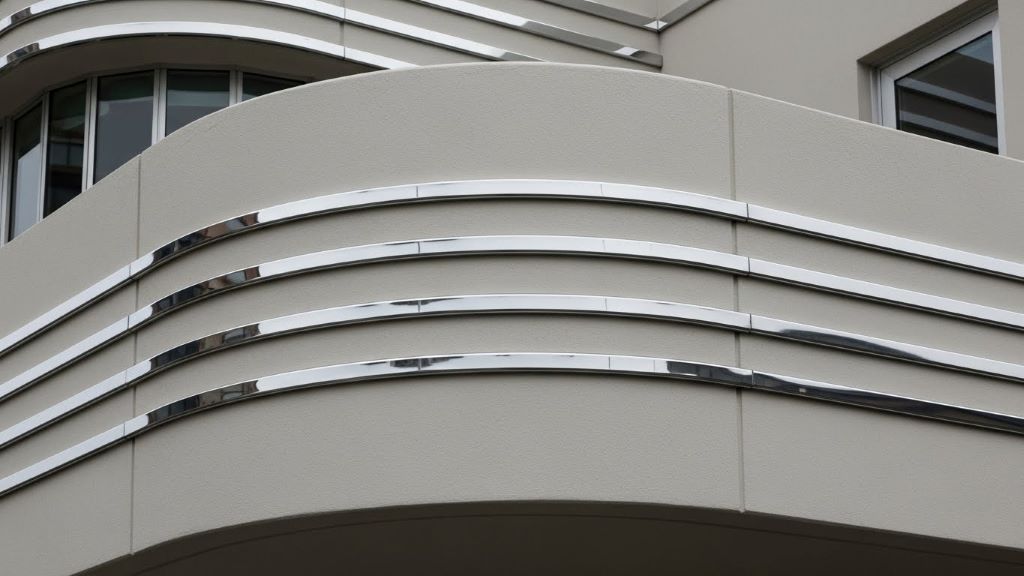
As the 1930s advanced, ornamentation became increasingly restrained. Streamline Moderne emphasized horizontal lines and curved corners. Buildings adopted nautical and aeronautical references. Porthole windows, ship-rail balconies, and racing stripes appeared on facades.
This evolution reflected broader cultural shifts. The machine aesthetic gained prominence in design philosophy. Smooth surfaces replaced intricate patterns. Chrome strips and glass block became preferred decorative elements. Nevertheless, many buildings incorporated both Art Deco and Streamline features, creating hybrid styles.
Regional Variations in Ornamentation
Different cities developed distinct decorative approaches. New York favored vertical emphasis and Gothic-inspired details. Miami embraced tropical motifs and pastel colors. Chicago incorporated Prairie School influences into deco designs.
Climate influenced material choices and techniques. Coastal cities used glazed terra cotta for weather resistance. Northern locations employed limestone and granite. These regional adaptations created diverse expressions within the broader style movement. The New York Times has documented how preservation efforts now protect these regional variations as cultural landmarks.
Construction and Installation Methods
Creating deco ornamentation required specialized construction approaches. Architects provided detailed drawings for every decorative element. Manufacturers produced components in workshops, then transported them to sites. Installation demanded precision to ensure proper alignment.
Terra cotta pieces arrived numbered for specific positions. Metal panels received templates for drilling and fastening. Moreover, workers needed scaffolding systems that allowed access without damaging completed sections. The entire process demanded coordination between multiple trades and suppliers.
Challenges in Execution
Several obstacles complicated ornamental installation. Weather delays affected curing times for materials. Budget constraints sometimes forced design simplifications. Additionally, the height of skyscrapers created logistical difficulties for material delivery.
Skilled labor shortages occasionally impacted quality. Training programs developed to teach traditional techniques to new workers. Despite these challenges, most projects achieved remarkable consistency in their decorative execution.
Preservation and Restoration Today
Modern preservation efforts focus on maintaining original ornamentation. Specialists analyze historical materials to develop appropriate conservation methods. Cleaning techniques must remove pollution without damaging surfaces. Replacement pieces require matching original manufacturing processes.
Technology aids contemporary restoration work. 3D scanning documents existing conditions with precision. Digital modeling helps recreate missing elements. However, traditional craftsmanship remains essential for authentic repairs. Many projects employ artisans trained in period-appropriate techniques.
Influence on Contemporary Design
Today’s architects continue drawing inspiration from deco ornamentation. Contemporary buildings reference geometric patterns and metallic accents. Modern materials allow new interpretations of classic techniques. Glass and stainless steel echo the glamour of original designs.
Interior designers also embrace these historical elements. Furniture, lighting, and accessories incorporate deco motifs. This revival demonstrates the enduring appeal of the style. Furthermore, it shows how historical design principles remain relevant in modern contexts.
Conclusion
Deco-era skyscraper ornamentation represents a pinnacle of architectural craftsmanship. These techniques combined artistic vision with industrial innovation. From geometric patterns to sculptural reliefs, each element contributed to buildings that symbolized progress. The evolution from elaborate Art Deco to streamlined Moderne reflected changing cultural values. Today, these structures stand as testaments to an era when ornamentation elevated architecture to art. Preservation efforts ensure future generations can appreciate these magnificent decorative achievements.
Frequently Asked Questions
What is the main difference between Art Deco and Streamline Moderne ornamentation?
Art Deco features elaborate geometric patterns, zigzags, and rich decorative details. Streamline Moderne emphasizes smooth curves, horizontal lines, and minimal ornamentation inspired by aerodynamic design.
Why did architects reduce ornamentation during the 1930s?
Economic pressures from the Great Depression made simpler designs more practical. Additionally, changing aesthetic preferences favored machine-age efficiency and streamlined forms over elaborate decoration.
What materials were most commonly used in deco skyscraper ornamentation?
Terra cotta, bronze, aluminum, chromium, and various stones were primary materials. These allowed for intricate detailing while providing durability and weather resistance.
How long did it typically take to complete ornamentation on a skyscraper?
Ornamental work often extended over several months to more than a year. The timeline depended on building height, design complexity, and the number of specialized craftspeople available.
Can damaged Art Deco ornamentation be accurately restored?
Yes, with proper expertise and techniques. Modern preservation specialists use historical documentation, material analysis, and traditional craftsmanship to recreate or repair damaged elements authentically.
Related Topics:
Best Way to Organize Elfa Shelving for Maximum Pantry Storage