
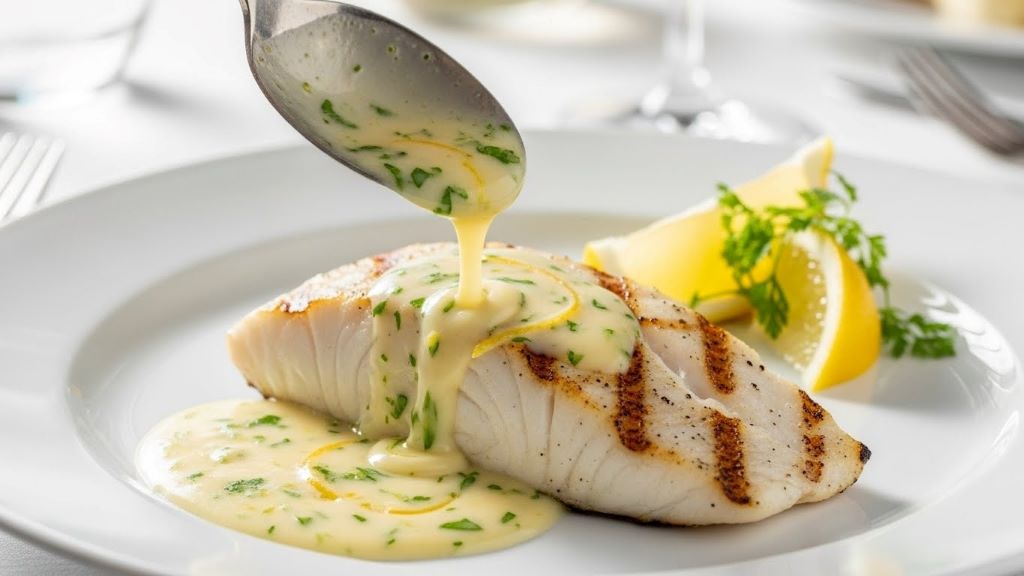
The art of French cooking has captivated home cooks and professional chefs for centuries. Among its most celebrated techniques is the creation of silky, sophisticated sauces that transform simple dishes into culinary masterpieces. One such classic is the white wine lemon butter sauce, a versatile creation that pairs beautifully with seafood, poultry, and vegetables. At Beresan Wines, wine enthusiasts discover how the right bottle elevates every meal, particularly when cooking with wine becomes part of the recipe itself.
This elegant sauce, known in French kitchens as beurre blanc with citrus, represents the perfect marriage of tangy brightness and rich, velvety texture. The technique requires patience and attention, yet rewards cooks with a restaurant-quality result. Understanding the fundamentals of this preparation opens doors to countless variations and applications in your cooking repertoire.
Moreover, mastering this white wine lemon butter sauce recipe provides a foundation for exploring other classic French sauces. The principles you learn here translate directly to similar preparations, making you a more confident and capable cook overall.
Understanding the Foundation of French Butter Sauces
French butter sauces belong to a category of emulsified sauces where fat and liquid combine into a smooth, cohesive mixture. The key lies in the gradual incorporation of cold butter into a reduced wine and acid base. This process creates tiny fat globules suspended in liquid, resulting in that signature glossy appearance and luxurious mouthfeel.
Temperature control proves critical throughout the entire process. If the mixture becomes too hot, the emulsion breaks and the butter separates into greasy puddles. Conversely, insufficient heat prevents the butter from melting properly and integrating smoothly. Finding that sweet spot between 160 and 180 degrees Fahrenheit ensures success every time.
Additionally, the quality of your ingredients directly impacts the final result. Fresh lemon juice provides bright acidity that balances the butter’s richness. A dry white wine with good acidity, such as Sauvignon Blanc or Pinot Grigio, creates the ideal flavor foundation. Finally, high-quality butter makes all the difference in achieving that silky texture and pure taste.
Selecting the Right Wine for Your Sauce
Choosing the appropriate wine requires understanding how flavors concentrate during reduction. As the liquid simmers and evaporates, flavors intensify significantly. Therefore, select a wine you would enjoy drinking, as any flaws become magnified in the finished sauce.
Dry white wines with crisp acidity work best for this preparation. Sauvignon Blanc offers herbaceous notes and bright citrus flavors that complement the lemon. Pinot Grigio provides a clean, neutral base that allows other ingredients to shine. Chardonnay, particularly unoaked versions, contributes subtle fruit flavors without overwhelming the delicate balance.
However, avoid wines that are too sweet, oaky, or heavy. Sweet wines create a cloying sauce that lacks balance. Oak-aged wines introduce bitter tannins that become unpleasant when concentrated. According to Bon Appétit, cooking with wine you enjoy drinking remains the golden rule in any kitchen.
Essential Ingredients and Equipment
Gathering your ingredients before beginning ensures a smooth cooking process. You will need unsalted butter, preferably European-style for higher butterfat content. Fresh lemon juice and zest add brightness and aromatic complexity. Dry white wine forms the liquid base, while shallots provide subtle onion flavor without harshness.
Furthermore, having the right equipment sets you up for success. A heavy-bottomed saucepan distributes heat evenly and prevents hot spots that could break your emulsion. A whisk allows for constant stirring and proper incorporation of butter. Additionally, keep a fine-mesh strainer handy for achieving that perfectly smooth final texture.
Salt and white pepper season the sauce without adding dark specks. Some recipes include a splash of heavy cream, which stabilizes the emulsion and makes it more forgiving for beginners. Fresh herbs like tarragon, parsley, or chives can be added at the end for extra flavor and visual appeal.
Step-by-Step Technique for Perfect Results
Begin by finely mincing your shallots to ensure they break down completely during cooking. Place them in your saucepan with the white wine and a squeeze of lemon juice. Bring the mixture to a gentle simmer over medium heat, then reduce the heat slightly to maintain a steady bubble.
Allow the liquid to reduce by about two-thirds, which typically takes eight to ten minutes. The mixture should become syrupy and coat the back of a spoon. This concentration of flavors creates the foundation for your sauce, so patience during this step pays dividends.
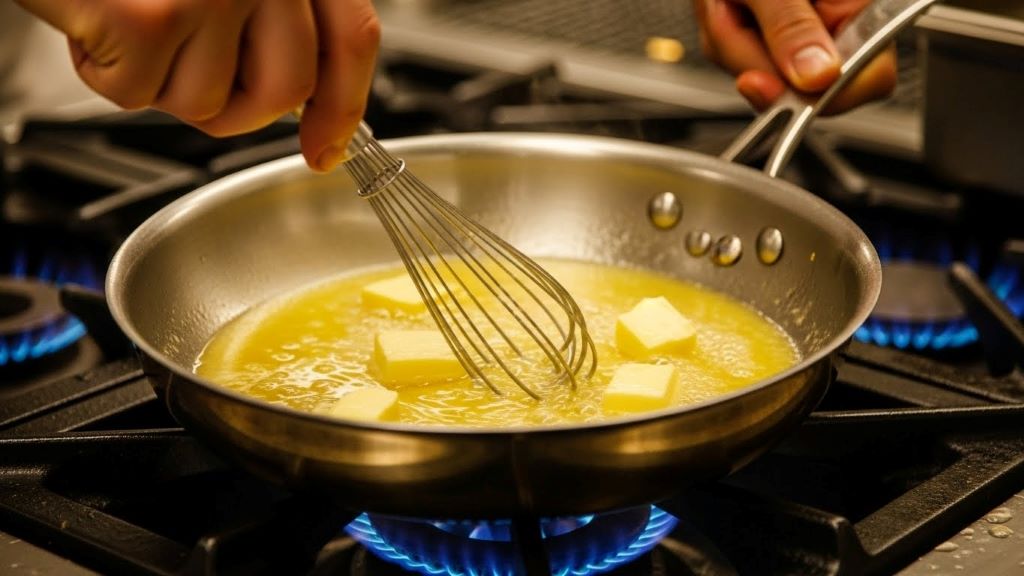
Once reduced, lower the heat to the lowest setting. Cut your cold butter into tablespoon-sized pieces. Add one piece at a time, whisking constantly until each piece fully incorporates before adding the next. This gradual process prevents the sauce from breaking and ensures proper emulsion.
Therefore, maintaining that low, gentle heat throughout the butter incorporation remains crucial. If you notice the sauce getting too hot, briefly remove the pan from the heat while continuing to whisk. The residual heat will continue melting the butter without risking separation.
After all butter has been incorporated, taste and adjust seasoning with salt, white pepper, and additional lemon juice if needed. Strain the sauce through a fine-mesh strainer to remove the shallot pieces, creating a perfectly smooth texture. Serve immediately for the best consistency and flavor.
Common Mistakes and How to Avoid Them
Many home cooks struggle with broken sauces where the butter separates from the liquid. This typically happens when the heat is too high or butter is added too quickly. Consequently, maintaining low heat and adding butter gradually prevents this frustrating outcome.
Another frequent issue involves insufficient reduction of the wine base. If too much liquid remains, the sauce becomes thin and lacks body. Additionally, the flavors taste diluted rather than concentrated and vibrant. Reducing the wine mixture to the proper syrupy consistency solves this problem.
Using salted butter instead of unsalted can result in an overly salty sauce, especially after reduction concentrates all flavors. Furthermore, low-quality wine with off-flavors or excessive acidity creates an unbalanced final product. Investing in decent ingredients makes a noticeable difference in your results.
Versatile Applications and Serving Suggestions
This classic sauce elevates countless dishes beyond its traditional pairing with fish. Drizzle it over grilled chicken breasts, roasted asparagus, or steamed artichokes. The bright acidity cuts through rich proteins while the butter adds luxurious body and flavor.
Seafood preparations particularly benefit from this sauce’s delicate profile. Sautéed scallops, grilled shrimp, or poached salmon all shine when finished with a generous spoonful of white wine lemon butter sauce. The citrus notes enhance the natural sweetness of seafood without masking its delicate flavor.
Additionally, this sauce works beautifully with pasta dishes. Toss it with linguine and fresh herbs for a simple yet elegant preparation. Add sautéed mushrooms or sun-dried tomatoes for extra dimension. The possibilities extend only as far as your creativity allows.
Variations and Flavor Enhancements
Once you master the basic technique, countless variations become possible. Add capers and chopped parsley for a piccata-style sauce. Include fresh tarragon for a classic French béarnaise influence. Stir in Dijon mustard for subtle heat and complexity.
Moreover, experimenting with different citrus fruits creates unique flavor profiles. Meyer lemons provide sweeter, more floral notes. Lime juice offers a tropical twist perfect for fish tacos or grilled shrimp. Orange zest adds subtle sweetness that pairs wonderfully with duck or pork.
Garlic lovers can add a minced clove during the wine reduction stage for savory depth. However, use restraint as garlic can quickly overpower the sauce’s delicate balance. According to The New York Times Cooking, subtle enhancements often yield the most sophisticated results.
Storage and Reheating Tips
Unfortunately, butter sauces do not store particularly well due to their emulsified nature. The sauce will separate and lose its silky texture when refrigerated and reheated. Therefore, making only the amount you need for immediate serving produces the best results.
If you must store leftovers, refrigerate them in an airtight container for up to two days. When reheating, use the lowest possible heat and whisk constantly. Adding a tablespoon of warm water or cream can help re-establish the emulsion, though the texture will never quite match freshly made sauce.
Alternatively, prepare the wine reduction base ahead of time and refrigerate it. When ready to serve, simply reheat the base gently and whisk in the butter just before serving. This approach saves time while maintaining the sauce’s quality and texture.
Conclusion
Mastering the classic French white wine lemon butter sauce technique empowers home cooks to create restaurant-quality dishes with confidence. This versatile preparation combines simple ingredients through careful technique, resulting in a sophisticated sauce that elevates countless meals. By understanding the principles of emulsification, temperature control, and ingredient selection, you can consistently produce silky, flavorful sauces that impress family and guests alike.
The key lies in patience, quality ingredients, and attention to detail throughout the cooking process. From selecting the right wine to incorporating butter gradually over low heat, each step contributes to the final result. Moreover, once you master this foundation, endless variations and applications await your experimentation.
Therefore, embrace this timeless French technique and watch your culinary repertoire expand. With practice, creating this elegant sauce becomes second nature, allowing you to focus on the joy of cooking and sharing delicious food with those you love.
Frequently Asked Questions
What type of white wine works best for this sauce?
Dry white wines with good acidity work best, such as Sauvignon Blanc, Pinot Grigio, or unoaked Chardonnay. Avoid sweet or heavily oaked wines as their flavors intensify unpleasantly during reduction.
Can I make this sauce ahead of time?
Butter sauces are best served immediately after preparation. However, you can make the wine reduction base ahead and refrigerate it, then whisk in the butter just before serving for optimal texture and flavor.
Why did my sauce separate or break?
Sauce separation typically occurs when the temperature is too high or butter is added too quickly. Maintaining low heat and incorporating butter gradually one piece at a time prevents this common problem.
Can I use salted butter instead of unsalted?
Unsalted butter is strongly recommended as it allows you to control the seasoning. Salted butter can make the sauce overly salty, especially after the reduction concentrates flavors.
What dishes pair best with white wine lemon butter sauce?
This versatile sauce complements seafood particularly well, including fish, scallops, and shrimp. It also works beautifully with chicken, vegetables like asparagus, and pasta dishes for elegant yet simple preparations.
Related Topics: