

Stand mixers have become essential appliances for home bakers and cooking enthusiasts. Whether you’re whipping cream, kneading dough, or mixing cake batter, the right stand mixer can save time and effort. However, with numerous models flooding the market in 2026, choosing the perfect one requires careful consideration. This comprehensive guide will walk you through everything you need to know before making your purchase.
Why Invest in a Stand Mixer
Stand mixers offer significant advantages over handheld alternatives. They free up your hands for other tasks while mixing ingredients consistently. Moreover, these appliances can handle heavy doughs that would strain handheld mixers. For anyone who bakes regularly, a quality stand mixer becomes an invaluable kitchen companion.
The investment may seem substantial initially. Nevertheless, a good stand mixer can last decades with proper care. Therefore, understanding what to look for ensures you choose wisely and avoid costly mistakes.
Motor Power and Performance
The motor is the heart of any stand mixer. Power ratings typically range from 250 to 1000 watts. However, higher wattage doesn’t always mean better performance. The key is matching power to your baking habits.
For occasional bakers who make cookies and light batters, a 300-watt motor suffices. Conversely, serious bakers who regularly knead bread dough need at least 500 watts. Professional-grade models with 700+ watts handle the toughest tasks effortlessly.
Consider the motor’s location too. Tilt-head models generally work well for lighter tasks. Meanwhile, bowl-lift designs provide greater stability for heavy-duty mixing. This structural difference affects both performance and durability.
Bowl Capacity Considerations
Bowl size directly impacts how much you can prepare at once. Standard capacities range from 3 to 8 quarts. Smaller households might manage with a 4-quart bowl. However, families or frequent entertainers benefit from 6-quart or larger options.
Think about your typical recipes. A 5-quart bowl accommodates most standard cake and cookie recipes. Additionally, it provides enough space for ingredients to mix properly without overflow. Oversized bowls seem appealing but can struggle with small batches.
Material matters as well. Stainless steel bowls resist staining and last longer. Glass bowls allow you to monitor mixing progress easily. Some manufacturers include multiple bowls, adding versatility to your purchase.
Essential Speed Settings
Variable speed control gives you precision. Most quality mixers offer between 6 and 12 speeds. Surprisingly, more isn’t always better. What matters is having the right range for different tasks.
Low speeds work best for incorporating dry ingredients and preventing flour clouds. Medium speeds handle general mixing and creaming butter. High speeds whip cream and egg whites to perfection. A good mixer features checklist should include smooth transitions between these ranges.
Soft-start technology prevents ingredient splatter when you begin mixing. This feature has become increasingly common in 2026 models. Furthermore, pulse functions provide quick bursts of power for specific tasks.
Evaluating Build Quality and Materials
Durability separates good mixers from great ones. Metal construction, particularly die-cast metal, ensures longevity. Plastic components may reduce cost but often compromise stability and lifespan.
Check the planetary mixing action. This mechanism rotates the beater in one direction while spinning around the bowl in another. It ensures thorough mixing and reaches all bowl areas. Inferior designs leave unmixed pockets of ingredients.
Weight indicates sturdiness. Heavier mixers stay stable during operation, especially with thick doughs. Conversely, lightweight models may walk across countertops during heavy-duty tasks. Balance portability needs with stability requirements.
Understanding Attachment Compatibility
Versatility extends your mixer’s usefulness beyond basic tasks. Most modern stand mixers feature a power hub that accepts various accessories. This transforms your mixer into a multi-functional kitchen tool.
Common attachments include pasta makers, food grinders, and spiralizers. Additionally, specialized tools like ice cream makers and grain mills expand culinary possibilities. An attachments guide helps identify which accessories complement your cooking style.
Verify attachment compatibility before purchasing. Some brands use proprietary connections. Others offer universal compatibility with third-party accessories. This flexibility can significantly impact long-term value and functionality.
Standard attachments typically include a flat beater, dough hook, and wire whip. These cover most basic baking needs. However, serious cooks might want splash guards, scraper attachments, or specialty beaters included.
Design and Aesthetics
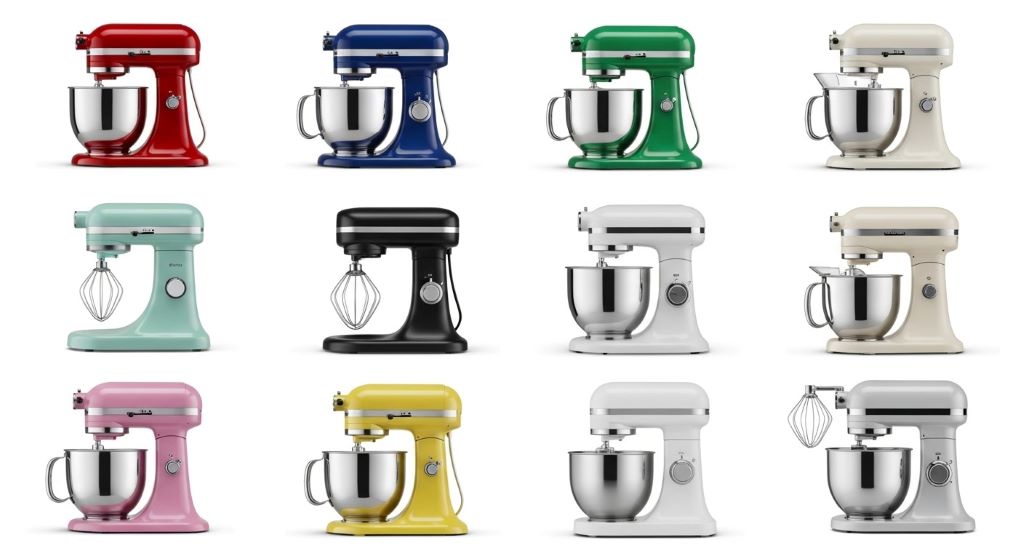
Stand mixers occupy prominent counter space. Therefore, appearance matters. Fortunately, manufacturers now offer extensive color options beyond basic white or chrome. From vibrant reds to elegant matte black, choices abound.
Consider your kitchen’s existing decor. A mixer that complements your space adds visual appeal. However, prioritize function over form. A beautiful mixer that underperforms creates frustration rather than satisfaction.
Tilt-head versus bowl-lift design affects both aesthetics and practicality. Tilt-head models offer easier access for adding ingredients. Bowl-lift versions provide better stability for large batches. Choose based on your typical usage patterns.
Noise Levels During Operation
Modern mixers run more quietly than older models. Nevertheless, noise varies significantly between brands and models. If you bake early mornings or late evenings, quieter operation becomes important.
Look for mixers with noise-reduction features. Better insulation and precision-engineered gears minimize operational sounds. Some manufacturers specifically market quieter models for noise-sensitive households.
Remember that heavier mixing tasks naturally generate more noise. Kneading bread dough will always sound louder than whipping cream. However, excessive grinding or rattling indicates poor construction quality.
Warranty Protection and Customer Support
A comprehensive warranty comparison reveals manufacturer confidence in their products. Standard warranties typically cover one year. Premium brands often extend coverage to five years or more.
Understand what the warranty covers. Motor failures should definitely be included. Additionally, check if normal wear items like beaters receive coverage. Some warranties require registration within specific timeframes.
Customer service quality matters when issues arise. Research company reputations for handling warranty claims. Online reviews often reveal whether manufacturers stand behind their products. Responsive support can make a significant difference in ownership satisfaction.
Extended warranty options may be available for purchase. Evaluate whether additional coverage justifies the cost. For expensive models, extra protection might provide peace of mind.
Safety Features to Prioritize
Modern stand mixers incorporate various safety mechanisms. Overload protection prevents motor damage from excessive strain. This feature automatically shuts down the unit when detecting problems.
Locking mechanisms secure the bowl during operation. They prevent accidents from loose bowls or moving heads. Additionally, stable bases with non-slip feet reduce tipping risks.
Easy-to-reach power switches allow quick shutdowns if needed. Cord length and placement affect safety too. Adequate cord length prevents stretching and potential hazards.
Price Ranges and Budget Planning
Stand mixers span a wide price spectrum. Entry-level models start around 150 dollars. Mid-range options typically cost between 300 and 500 dollars. Premium professional-grade mixers can exceed 800 dollars.
Higher prices generally reflect better build quality and longer lifespans. However, expensive doesn’t always mean necessary. Assess your actual needs before stretching your budget.
Consider cost per use over the mixer’s lifetime. A 400-dollar mixer used weekly for ten years costs less than two dollars per week. This perspective helps justify initial investments.
Sales events offer significant savings opportunities. Black Friday, holiday promotions, and new model releases often trigger discounts. However, avoid purchasing solely based on price. Ensure the discounted model meets your requirements.
Energy Efficiency and Operating Costs
Modern stand mixers consume relatively little electricity. Nevertheless, energy efficiency varies between models. Energy Star certifications indicate superior efficiency standards.
Consider your usage frequency when evaluating operating costs. Occasional users won’t notice much difference. However, frequent bakers might appreciate more efficient models. Additionally, efficient motors often run cooler and potentially last longer.
Power consumption during idle periods matters too. Some models draw minimal standby power. Others consume more electricity even when not actively mixing.
Where to Purchase Your Stand Mixer
Multiple purchasing channels exist in 2026. Physical retail stores allow hands-on examination before buying. You can assess weight, size, and build quality directly. Additionally, knowledgeable staff might offer valuable insights.
Online retailers provide extensive selection and competitive pricing. Customer reviews help gauge real-world performance. However, you cannot physically inspect products before purchasing. Return policies become crucial when buying online.
Direct manufacturer purchases sometimes offer exclusive colors or bundles. They may also provide better warranty terms. Nevertheless, prices might be higher than third-party retailers.
Consider factory-reconditioned units for budget-conscious buyers. These offer significant savings while maintaining quality standards. Manufacturers typically inspect, repair, and warranty refurbished items.
Maintenance and Cleaning Requirements
Ease of maintenance affects long-term satisfaction. Removable attachments should clean easily by hand or dishwasher. However, verify dishwasher safety before assuming.
Bowl and attachment cleaning takes minimal effort. The mixer body requires occasional wiping. Avoid submerging the motor housing in water. Additionally, check ventilation slots regularly for flour buildup.
Periodic lubrication may be necessary for some models. Consult manufacturer guidelines for specific maintenance schedules. Proper care significantly extends mixer lifespan and maintains optimal performance.
Making Your Final Decision
After considering all factors, create a shortlist of suitable models. Compare specifications against your specific needs. Additionally, read recent customer reviews for insights into real-world performance.
Visit stores to see top contenders in person if possible. Assess their size relative to your counter space. Check control accessibility and overall build quality. These hands-on evaluations often clarify decisions.
Don’t rush the purchase. A quality stand mixer represents a significant investment. Therefore, take time to ensure you’re choosing wisely. The right mixer will serve you reliably for many years.
Conclusion
Purchasing a stand mixer in 2026 requires evaluating numerous factors. Motor power, bowl capacity, and speed settings form the performance foundation. Build quality and attachment compatibility determine long-term value and versatility. Using a proper mixer features checklist ensures you don’t overlook important considerations.
Design preferences matter since these appliances occupy visible counter space. Safety features protect users during operation. Price ranges vary widely, but higher costs often reflect superior construction and extended warranties. A thorough warranty comparison helps identify manufacturers who stand behind their products.
Understanding available attachments through an attachments guide reveals each mixer’s full potential. Energy efficiency, noise levels, and maintenance requirements affect daily use satisfaction. Where you purchase influences both price and support availability.
Ultimately, the best stand mixer matches your specific baking habits and kitchen needs. Take time to research thoroughly. Read reviews from actual users. Consider future needs alongside current requirements. This careful approach ensures your investment delivers years of reliable service and baking enjoyment.
Frequently Asked Questions
What size stand mixer should I buy for my family?
A 5-quart mixer suits most households perfectly. It handles standard recipes comfortably without taking excessive counter space. Larger families or frequent entertainers might prefer 6 to 7-quart models. Smaller 3 to 4-quart mixers work well for singles or couples who bake occasionally.
How many watts does a good stand mixer need?
For general baking, 300 to 500 watts provides adequate power. Bread bakers who regularly knead heavy doughs should choose 500 watts or higher. Wattage alone doesn’t determine quality though. Motor design and gear construction also significantly impact performance and durability.
Are expensive stand mixers worth the investment?
Higher-priced mixers typically feature better construction, stronger motors, and longer warranties. They often last 15 to 20 years with proper care. For frequent bakers, premium models justify their cost through reliability and performance. Occasional users might find mid-range options perfectly adequate.
Can I use third-party attachments with my stand mixer?
This depends on your mixer’s brand and model. Some manufacturers use proprietary connections limiting attachment options. Others allow universal compatibility with third-party accessories. Always verify compatibility before purchasing attachments. Using incompatible accessories can damage your mixer or void warranties.
How long should a quality stand mixer last?
With proper maintenance, quality stand mixers easily last 10 to 15 years. Premium models often exceed 20 years of service. Longevity depends on build quality, usage frequency, and maintenance practices. Regular cleaning and following manufacturer guidelines significantly extend lifespan regardless of price point.
Related Topics:
NuWave Induction Cooktop Pros and Cons: An Honest Review
How to Pick the Best Cordless Drill for Home Improvement