Starting your fishing journey can feel overwhelming when you walk into a tackle shop and see walls covered with hundreds of different rods. Each one looks slightly different, comes with confusing specifications, and varies wildly in price. However, choosing your first fishing rod doesn’t have to be complicated. This comprehensive guide will walk you through everything you need to know to make a confident decision.
Fishing is a rewarding hobby that connects you with nature and provides endless opportunities for relaxation and excitement. Getting started with the right equipment sets the foundation for years of enjoyment. Therefore, understanding what makes a good beginner fishing gear package will save you money, frustration, and countless hours on the water.
Understanding the Basic Types of Fishing Rods
Before diving into specific recommendations, you need to understand the main types of fishing rods available. Each type serves different purposes and fishing styles.
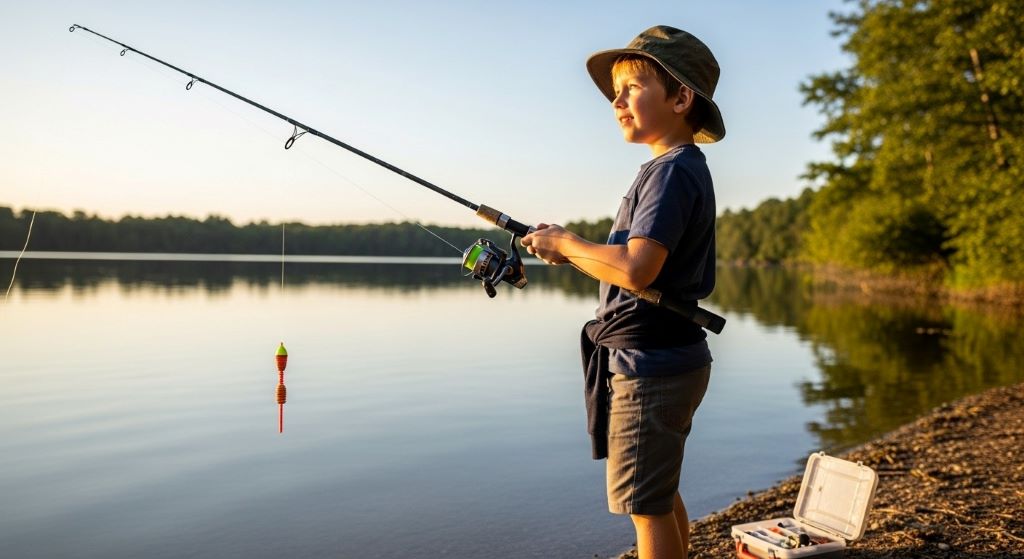
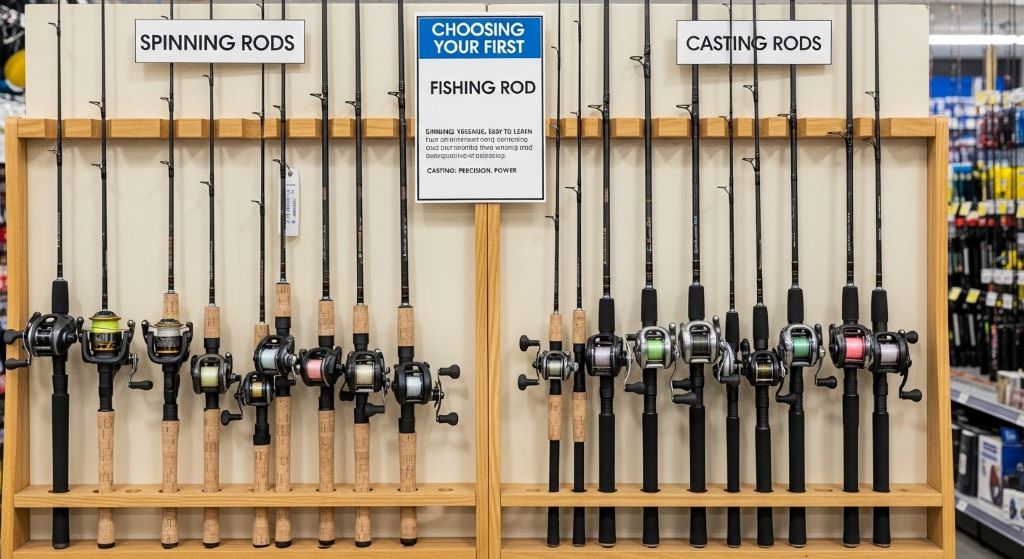
Spinning rods are the most popular choice for newcomers. They’re versatile, easy to learn, and work well for many fishing situations. The reel hangs beneath the rod, making casting natural and intuitive. Most anglers start with spinning setups because they’re forgiving and require less practice to master.
Casting rods, also called baitcasting rods, offer more precision but come with a steeper learning curve. The reel sits on top of the rod, and these setups excel at casting heavier lures with accuracy. However, they’re prone to backlashes, which can frustrate beginners. Most experienced anglers recommend waiting until you’ve mastered spinning gear before moving to casting equipment.
Fly rods represent a completely different approach to fishing. They use the weight of the line rather than the lure to achieve distance. Fly fishing requires specialized techniques and equipment. While rewarding, it’s typically not the best starting point unless you’re specifically interested in fly fishing from the beginning.
Spincast rods combine some features of spinning and casting rods. They have a closed-face reel that prevents tangles and makes casting simple. These work well for children and absolute beginners, though many anglers outgrow them quickly as their skills develop.
Determining the Right Rod Length
Rod length significantly affects how and where you can fish effectively. Choosing the appropriate length depends on your fishing environment and target species.
Shorter rods, typically between five and six feet, excel in tight spaces. If you fish from a kayak, small boat, or areas with overhanging trees, a shorter rod provides better maneuverability. Additionally, they offer more power for fighting fish in close quarters.
Medium-length rods ranging from six and a half to seven feet offer excellent versatility. This range works well for most beginner situations, whether fishing from shore or boat. They provide enough length for decent casting distance while remaining manageable for newcomers.
Longer rods, from seven and a half to nine feet or more, help you cast farther and keep your line above obstacles like rocks or vegetation. They’re ideal for surf fishing or large rivers. However, they can be tiring to use all day and awkward in confined spaces.
For your first rod, a seven-foot spinning rod represents the sweet spot. This length handles various fishing scenarios competently without overwhelming you with too much rod to manage.
Understanding Rod Power and Action
Power and action are two terms you’ll encounter constantly when shopping for rods. Understanding these concepts helps you match your rod to your fishing needs.
Power refers to the rod’s resistance to bending. It ranges from ultra-light to heavy. Ultra-light rods bend easily and work best for tiny fish and delicate presentations. Heavy rods resist bending and handle large fish and heavy lures. For beginners targeting average-sized fish, medium or medium-light power provides the best balance.
Action describes where the rod bends along its length. Fast action rods bend primarily at the tip, providing sensitivity and quick hook sets. Slow action rods bend throughout their length, offering a more forgiving feel. Moderate or medium action creates a middle ground that works well for learning proper casting techniques and fighting fish.
Starting with medium power and moderate action gives you flexibility to catch various species. This combination forgives minor mistakes while still providing enough sensitivity to feel bites and enough backbone to land fish successfully.
Material Matters: Graphite Versus Fiberglass
Modern fishing rods are primarily made from graphite, fiberglass, or a composite blend of both materials. Each material has distinct characteristics that affect performance and price.
Graphite rods are lightweight and sensitive. You can feel subtle bites and detect what your lure is doing underwater. They’re also more responsive, allowing quick hook sets. However, graphite is more brittle than fiberglass and can break if mishandled. Most contemporary rods use graphite because of its performance advantages.
Fiberglass rods are nearly indestructible. They bend deeply without breaking and can withstand significant abuse. This durability makes them appealing for beginners who might accidentally slam them in car doors or step on them. However, they’re heavier and less sensitive than graphite alternatives.
Composite rods blend both materials, attempting to capture the best qualities of each. They offer reasonable sensitivity while maintaining good durability. Many entry-level rods use composite construction to provide decent performance at accessible prices.
For your first rod, either graphite or composite works well. If you’re concerned about durability and plan to fish in situations where the rod might take some abuse, lean toward composite or fiberglass. If sensitivity is your priority, choose graphite.
Setting a Realistic Budget
Fishing rods range from twenty dollars to several thousand dollars. Understanding where to invest your money prevents overspending while ensuring you get quality equipment.
Budget rods typically cost between thirty and sixty dollars. These provide basic functionality and allow you to discover if you enjoy fishing before making larger investments. Many tackle companies offer respectable options in this price range that will serve you well for your first season.
Mid-range rods, priced from seventy to one hundred fifty dollars, offer better components, improved sensitivity, and enhanced durability. If you’re committed to making fishing a regular hobby, this price point provides excellent value.
High-end rods exceed two hundred dollars and offer marginal improvements that most beginners won’t notice or need. Save these for after you’ve developed your skills and understand what specific features benefit your fishing style.
Starting with a rod in the fifty to eighty dollar range represents smart investing. You’ll get reliable equipment without breaking the bank. Additionally, you won’t feel devastated if you discover fishing isn’t for you or if you accidentally damage your first rod.
Matching Your Rod to Your Target Species
Different fish require different approaches. Knowing what you want to catch helps narrow your choices significantly.
Panfish like bluegill, crappie, and perch are perfect targets for beginners. They’re abundant, bite readily, and put up entertaining fights. A light or medium-light rod between six and seven feet works perfectly for these species.
Bass are the most popular gamefish in many regions. They require medium power rods that can handle larger lures while still providing enough sensitivity to detect subtle bites. A seven-foot medium power rod excels for bass fishing.
Trout demand delicate presentations in many situations. A light power rod with fast action allows you to cast small lures and feel gentle bites. If you’re fishing streams, a shorter rod helps you navigate tight spaces between trees.
Catfish require more power because they grow large and fight hard. A medium-heavy rod with moderate action provides the backbone needed to wrestle these strong fish from deep water.
If you’re unsure what you’ll target most often, choose a medium power, moderate action rod. This versatile combination handles everything from panfish to medium-sized bass reasonably well.
Evaluating Rod Components and Construction
Even affordable rods include several components that affect performance and longevity. Knowing what to look for helps you identify quality construction.
Guides are the rings that hold your line along the rod. Better guides use ceramic or similar materials that resist wear and reduce friction. Check that guides are aligned properly and securely attached. Wobbly or crooked guides indicate poor quality control.
The reel seat holds your reel to the rod. It should feel solid and have a locking mechanism that keeps your reel firmly in place. Cheap reel seats strip easily or allow the reel to shift during use.
The handle provides your gripping surface. Cork handles feel comfortable and provide good grip when wet. EVA foam handles cost less but still perform well. Avoid hard plastic handles on anything but the most basic rods.
Rod wraps secure the guides to the blank. These should be smooth and even. Rough or uneven wraps can fray your line and indicate rushed manufacturing.
Inspect any rod carefully before purchasing. Sight down the length to ensure it’s straight. Wiggle the guides gently to confirm they’re secure. These simple checks help you avoid defective products.
The Importance of Rod and Reel Combos
Many manufacturers sell rods and reels as complete packages. These combos offer several advantages for beginners.
Combos eliminate guesswork about matching reels to rods. The manufacturer has already paired components that work well together. This takes one decision off your plate and ensures compatibility.
They typically cost less than buying rod and reel separately. Manufacturers can offer package pricing that provides savings. For someone just starting out, these savings help stretch your budget further.
Quality varies among combos, just as it does with individual components. Reputable brands offer solid beginner fishing gear packages that perform reliably. Research reviews before purchasing to ensure you’re getting a good combination.
However, combos sometimes pair an excellent rod with a mediocre reel or vice versa. If you find a combo that reviews well and fits your budget, it’s likely a good choice. Otherwise, don’t feel obligated to buy a package deal.
Where to Buy Your First Fishing Rod
You have several options for purchasing your fishing rod. Each shopping method has distinct advantages and disadvantages.
Local tackle shops provide personalized service and expert advice. Staff can answer questions specific to your local fishing conditions and target species. You can handle rods before buying and immediately take your purchase fishing. However, prices may be higher than other options.
Sporting goods chains stock wide selections at competitive prices. They often run sales that make quality gear more affordable. However, staff knowledge varies greatly, and you might not receive specialized guidance.
Online retailers offer the lowest prices and largest selections. Reading customer reviews helps you make informed decisions. However, you can’t physically examine products before purchasing, and returning items can be inconvenient.
For your first rod, visiting a local shop provides valuable benefits. The expertise and ability to handle equipment before buying outweigh potential cost savings elsewhere. Once you understand what you like, online shopping becomes more practical.
Essential Accessories to Complete Your Setup
Your rod represents just one piece of your fishing setup. A few essential accessories complete your beginner fishing gear collection.
Fishing line connects your rod to your lure or bait. Monofilament line works well for beginners because it’s affordable, manageable, and forgiving. Choose a line weight appropriate for your target species, typically six to ten-pound test for most situations.
A basic tackle box organizes your lures, hooks, and accessories. Start simple with a small box that has a few compartments. You’ll expand your collection naturally as you discover what works in your fishing spots.
A few versatile lures or hooks let you start fishing immediately. Soft plastic worms, small crankbaits, and a selection of hooks with split shot weights handle many situations. Don’t overspend on tackle until you understand what works locally.
Needle-nose pliers help remove hooks from fish and crimp split shot weights. They’re essential for efficient fishing and releasing fish safely.
A fishing license is legally required in most areas. Check your state or local regulations and purchase appropriate licenses before heading out.
Learning Proper Rod Care and Maintenance
Taking care of your equipment extends its life and ensures consistent performance. Fortunately, rod maintenance requires minimal effort.
Rinse your rod with fresh water after each fishing trip, especially if you fish in saltwater. Salt corrodes components quickly if left to accumulate. A simple rinse removes harmful residue.
Store your rod in a safe location where it won’t get stepped on or knocked over. Rod cases or ceiling-mounted racks protect your investment from accidental damage. Never store rods with the reel attached if possible, as this can stress the reel seat.
Inspect guides regularly for damage. Cracked or grooved guides damage your line and should be replaced promptly. Run a cotton swab through each guide; if it catches, the guide needs attention.
Avoid high heat, which can weaken graphite and damage rod finish. Don’t leave rods in hot cars for extended periods.
With basic care, a quality rod lasts many years and countless fishing trips.
Testing Your Rod Before Committing
If possible, try before you buy. Some shops offer demonstration programs or have return policies that let you test rods.
Consider borrowing a friend’s rod for a day of fishing. This hands-on experience teaches you more than any amount of research. You’ll discover what length, power, and action feel comfortable in your hands.
Fishing clubs or organizations sometimes have loaner equipment for new members. This provides opportunity to try various setups without financial commitment.
Pay attention to how the rod feels during casting and retrieving. Does it tire your arm? Can you feel your lure working? Is it responsive when you set the hook? These real-world factors matter more than specifications on paper.
If testing isn’t possible, starting with a moderately priced, versatile rod minimizes risk. You can always upgrade later once you’ve developed preferences through experience.
Making Your Final Decision
After considering all these factors, you’re ready to choose your first fishing rod. Remember that no single rod is perfect for every situation.
Prioritize versatility over specialization. A jack-of-all-trades rod lets you explore different fishing styles and species. Specialization comes later as you discover your preferences.
Don’t overthink the decision. Any reasonable rod from a reputable manufacturer will catch fish. Your skills and knowledge matter far more than minor equipment differences. The best rod is the one you’ll actually use regularly.
Set a budget you’re comfortable with and stick to it. Fishing already involves ongoing costs like licenses, tackle, and transportation. Starting affordably leaves room for growth.
Buy from sources you trust, whether that’s a local shop, established online retailer, or major sporting goods store. Reputable sellers stand behind their products and help if issues arise.
Most importantly, get on the water and start fishing. Experience teaches you more than any guide can. Each trip reveals something new about your preferences and needs.
Conclusion
Choosing your first fishing rod doesn’t require extensive knowledge or a large budget. By understanding basic rod types, selecting appropriate length and power, and setting realistic expectations, you can confidently select entry-level rods that serve you well.
Start with a seven-foot spinning rod in medium power with moderate action. This combination handles most beginner situations effectively. Set your budget between fifty and eighty dollars for quality equipment that won’t disappoint. Consider rod and reel combos from reputable manufacturers to simplify your decision and save money.
Remember that your first rod is a learning tool. It helps you discover what you enjoy about fishing and what equipment features matter to you personally. As your skills grow, you’ll naturally develop preferences that guide future purchases.
The most important step is simply getting started. Purchase a reasonable rod, grab some basic tackle, and head to your nearest fishing spot. Every cast teaches you something new, and the fish don’t care whether you’re using budget rods or expensive equipment. They’re waiting for you, and your fishing journey begins with that first cast.
Frequently Asked Questions
Should I buy a fishing rod and reel separately or as a combo?
For beginners, combos offer excellent value and eliminate compatibility concerns. Reputable manufacturers pair components that work well together at package prices below buying separately. However, ensure you read reviews to confirm the specific combo has good quality components. Once you develop preferences and experience, buying separately gives you more control over your setup.
What’s the difference between a casting rod and a spinning rod?
Spinning rods have the reel mounted underneath and are easier for beginners to learn. Casting rods have the reel on top and offer more precision but require practice to prevent backlashes. Start with a spinning rod to learn fundamentals, then experiment with casting gear once you’re comfortable with basic techniques.
How much should I spend on my first fishing rod?
Plan to spend between fifty and eighty dollars for a quality beginner rod that will last multiple seasons. This price range provides reliable performance without excessive investment. Avoid rods under thirty dollars, which often use poor components that break easily. Save expensive rods over one hundred fifty dollars until you’ve developed skills to appreciate their advanced features.
Can I use the same rod for freshwater and saltwater fishing?
Yes, though saltwater requires more maintenance. Rinse your rod thoroughly with fresh water after every saltwater trip to prevent corrosion. Some rods are specifically designed for saltwater and use more corrosion-resistant components. If you fish primarily in saltwater, consider a rod designed for that environment. Otherwise, a freshwater rod works fine for occasional saltwater use with proper care.
What rod length is best for shore fishing versus boat fishing?
Longer rods between seven and a half to nine feet cast farther and work better for shore fishing where distance matters. Shorter rods between six and seven feet provide better control in the confined space of a boat. A seven-foot rod offers versatility for both situations, making it ideal for beginners who fish from various locations.
Related Topics:
The Art of Noodling for Catfish Safely