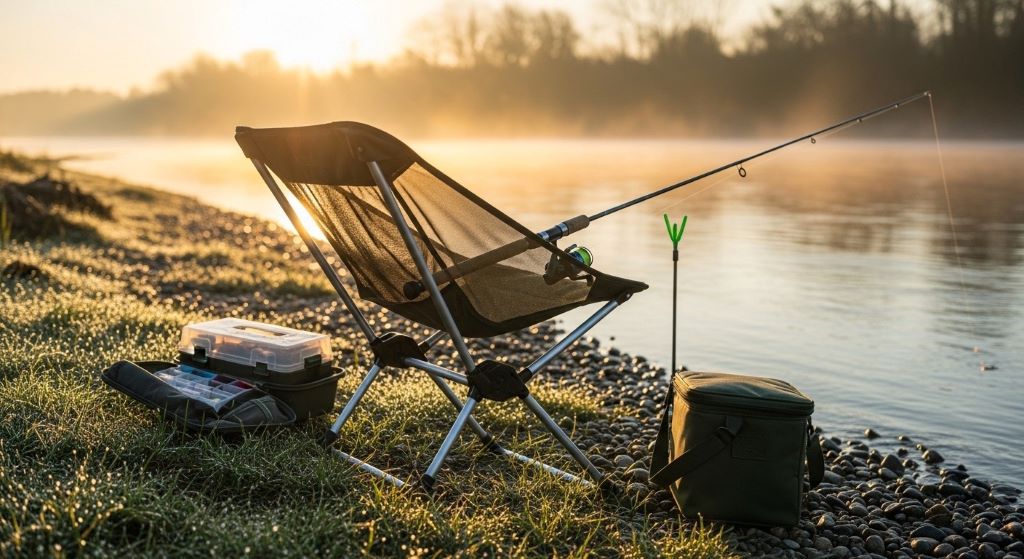
Finding the right seating solution can transform your fishing experience from uncomfortable and exhausting to relaxing and enjoyable. Whether you fish from the shore, a pier, or remote backcountry streams, having a reliable place to sit makes those long hours on the water far more pleasant. The challenge lies in finding a chair that balances comfort, portability, and durability.
Many anglers settle for whatever seating option is cheapest or most readily available. However, this approach often leads to back pain, premature equipment failure, and frustration. Choosing the right foldable fishing chair requires understanding your specific needs and knowing which features matter most for your fishing style.
This comprehensive guide will walk you through everything you need to consider when selecting a foldable fishing chair. You’ll learn about different designs, materials, weight capacities, and special features that enhance your fishing trips. By the end, you’ll know exactly what to look for and how to make a smart investment in your comfort.
Understanding Your Fishing Style and Needs
Before exploring specific chair options, take time to consider how and where you fish. Your fishing style directly influences which chair features matter most. Different environments and techniques demand different seating solutions.
Shore anglers who walk long distances to reach fishing spots need maximum portability. Weight and packed size become critical factors. You might sacrifice some comfort for a lighter chair that’s easier to carry. Conversely, if you park close to your fishing location, you can prioritize comfort over extreme portability.
Pier and dock fishermen have different requirements. Stability matters more than portability since you’re not carrying the chair far. A heavier, more substantial chair provides better support for long sessions. Additionally, you might want features like rod holders and storage pockets.
Backcountry anglers face unique challenges. Remote fishing locations require chairs that pack small and carry comfortably for miles. Ultralight designs become essential, even if they offer less cushioning than heavier alternatives. Every ounce matters when hiking to distant streams.
Consider how long your typical fishing sessions last. Quick trips of an hour or two don’t demand the same seating comfort as all-day expeditions. Longer sessions justify investing in better padding and ergonomic support, even if it means carrying slightly more weight.
Key Features of Compact Fishing Chairs
Compact fishing chairs incorporate specific design elements that make them ideal for anglers on the move. Understanding these features helps you identify chairs that will actually meet your needs versus those that simply look appealing.
The folding mechanism determines how small the chair packs and how quickly you can set it up. Some chairs fold flat like a lawn chair, while others collapse into a compact bundle. Look for mechanisms that operate smoothly without pinching fingers or requiring excessive force.
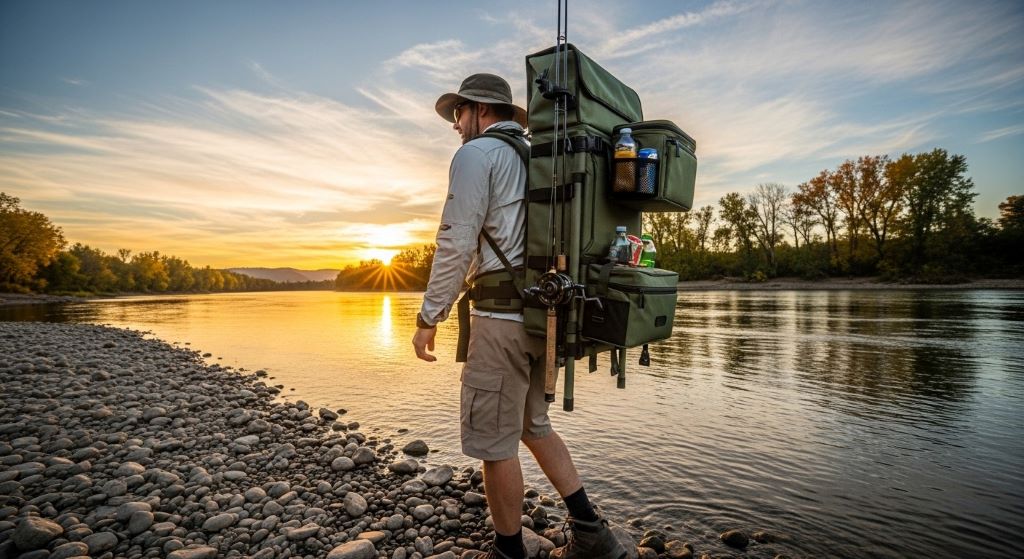
Carry systems vary significantly between models. Some chairs include backpack-style straps that distribute weight comfortably across your shoulders. Others come with shoulder straps or carrying bags. The best carry system depends on how far you typically walk to your fishing spot.
Frame materials affect both weight and durability. Aluminum frames offer an excellent strength-to-weight ratio and resist corrosion from saltwater. Steel frames are heavier but generally more affordable and very durable. Some premium models use carbon fiber or advanced alloys for maximum strength with minimum weight.
Seat fabric choices impact comfort, durability, and drying time. Mesh fabrics provide excellent ventilation and dry quickly when wet. Polyester or nylon fabrics offer more support and padding but take longer to dry. Some chairs use a combination of materials to balance these factors.
Weight capacity is crucial for safety and longevity. Always choose a chair rated well above your body weight. A chair used at its maximum capacity wears out faster and may fail unexpectedly. Most quality fishing chairs support 250 to 400 pounds.
Evaluating Portability and Size
Portability makes or breaks a fishing chair’s usefulness. A chair that’s too bulky or heavy stays in your garage instead of accompanying you on trips. Several factors determine real-world portability beyond simple weight specifications.
Packed dimensions matter as much as weight. A chair might be relatively light but fold into an awkward shape that’s difficult to carry or store. Check the folded length, width, and thickness. Consider how it will fit in your vehicle, boat, or alongside your other fishing gear.
Carrying weight differs from stated weight. A ten-pound chair carried awkwardly feels heavier than a twelve-pound chair with a comfortable backpack system. Test the carry system if possible, or read reviews from other anglers about real-world carrying comfort.
Setup and breakdown time affects your willingness to actually use the chair. If deploying the chair takes five minutes of fumbling with complicated mechanisms, you’ll be tempted to leave it behind. The best travel fishing chairs set up in seconds with minimal effort.
Storage when not in use is another practical consideration. Where will you keep the chair between trips? Can it hang on a garage wall, tuck into a closet, or fit under a bed? Chairs that store efficiently are more likely to be maintained properly and last longer.
Comfort Features That Matter
Comfort during extended fishing sessions prevents fatigue and lets you focus on fishing rather than aching muscles. However, comfort features typically add weight and bulk. Finding the right balance requires prioritizing what matters most for your situation.
Seat height influences both comfort and fishing effectiveness. Low chairs work well for surf fishing or when you need to stay below the wind. Higher seats make it easier to stand up and provide better views of the water. Some chairs offer adjustable height, giving you flexibility for different situations.
Back support becomes increasingly important during long sessions. Chairs range from simple stools with no back support to fully-featured designs with high backs and lumbar support. Consider your typical fishing duration and any existing back problems when evaluating back support needs.
Armrests provide significant comfort benefits, especially for older anglers or those with mobility issues. They make sitting down and standing up much easier. However, armrests add bulk and weight. Some models feature removable or folding armrests that offer flexibility.
Padding thickness affects comfort but also drying time and packability. Thick foam padding feels luxurious but takes forever to dry when wet and adds bulk. Minimal padding keeps the chair light and compact but may become uncomfortable during long sessions. Strike a balance based on your priorities.
Seat width and depth determine how well the chair accommodates your body. Narrow seats work fine for smaller individuals but feel cramped for larger anglers. Similarly, shallow seats may not provide adequate thigh support for taller people. Check dimensions carefully if you’re particularly large or small.
Durability and Weather Resistance
Fishing environments are harsh on equipment. Salt water, sand, rain, and sun all take their toll. A fishing chair needs to withstand these challenges while maintaining functionality season after season.
Frame construction quality separates chairs that last for years from those that fail after a few trips. Look for welded joints rather than riveted ones. Check that moving parts operate smoothly without excessive play or wobbling. Quality frames maintain their shape and function even after hundreds of uses.
Fabric durability depends on material quality and construction. Heavy-duty fabrics resist tearing and abrasion better than lightweight options. Reinforced stress points at connection areas prevent premature failure. UV-resistant treatments help fabrics maintain strength despite constant sun exposure.
Corrosion resistance is essential, particularly for saltwater anglers. Aluminum frames naturally resist rust but check that any steel components have proper coatings. Stainless steel hardware costs more but eliminates rust problems. Rinse your chair with fresh water after saltwater exposure regardless of materials.
Stitching quality often reveals overall construction standards. Double or triple stitching at high-stress areas indicates attention to durability. Check seams carefully before purchasing. Poor stitching fails quickly, especially when the chair gets wet and dried repeatedly.
Replacement parts availability extends a chair’s useful life. Premium manufacturers offer replacement feet, fabric seats, or other components. This serviceability turns a good chair into a long-term investment rather than a disposable item.
Additional Features for Enhanced Functionality
Beyond basic seating, many fishing chairs include extra features that improve convenience and functionality. Some additions prove genuinely useful while others add weight without much benefit. Evaluate each feature against your actual fishing needs.
Rod holders keep your fishing rod secure while you wait for bites. Built-in holders eliminate the need to carry separate rod supports. However, their usefulness depends on your fishing style. Active anglers who constantly cast and retrieve may rarely use them.
Storage pockets and pouches provide convenient places for pliers, line, lures, or snacks. Side pockets keep items within reach without requiring you to stand up. Mesh pockets allow wet items to drain and dry. Consider what you typically need handy during fishing sessions.
Cooler attachments or built-in coolers keep drinks and bait cold. Some chairs incorporate small insulated compartments into the design. These additions increase weight but eliminate carrying a separate cooler for short trips.
Cup holders seem like a small detail but greatly improve convenience. Secure drink storage prevents spills and keeps beverages within easy reach. Look for holders that accommodate various container sizes and keep drinks stable on uneven ground.
Adjustable legs help level the chair on sloped or uneven terrain. Independent leg adjustment lets you create a stable seat on riverbanks, rocky shores, or boat decks. This feature adds complexity but proves valuable in challenging locations.
Budget Considerations and Value
Foldable fishing chairs are available at every price point, from basic models under thirty dollars to premium options exceeding two hundred dollars. Understanding what you get at different price levels helps you make a smart investment.
Entry-level chairs provide basic functionality at minimal cost. They’re adequate for occasional use or anglers just getting started. However, they typically use lighter-duty materials that wear out faster. Budget chairs work fine if you fish infrequently or in gentle conditions.
Mid-range options offer the best value for most anglers. They balance quality construction with reasonable prices. These chairs use better materials and manufacturing than budget models while costing significantly less than premium options. Most regular anglers find their sweet spot in this range.
Premium chairs deliver exceptional durability, advanced features, and superior comfort. They’re designed for professional guides and serious enthusiasts who fish constantly. The higher price reflects better engineering, premium materials, and often, lifetime warranties.
Consider cost per use rather than just upfront price. A chair you use fifty times per year for five years costs pennies per use, even at a higher initial price. Conversely, a cheap chair that breaks after ten uses represents poor value regardless of its low price.
Warranty coverage indicates manufacturer confidence and provides protection for your investment. Quality brands stand behind their products with multi-year warranties. Read warranty terms carefully to understand what’s covered and for how long.
Special Considerations for Travel Fishing Chairs
Travel fishing chairs face unique demands when you’re fishing away from home. Whether flying to distant destinations or road-tripping to new waters, certain features become particularly important for traveling anglers.
Airline compliance matters if you plan to fly with your chair. Check packed dimensions against airline size limits for checked or carry-on baggage. Some ultralight chairs pack small enough for carry-on, avoiding checked bag fees. However, verify current airline policies before attempting to carry on any fishing gear.
Car space efficiency becomes crucial for road trips with multiple anglers and lots of gear. Chairs that pack flat or very compact leave more room for rods, tackle, coolers, and other essentials. Consider how many chairs you need to transport and how they’ll stack or nest together.
Quick-dry capabilities prevent mildew when packing wet chairs. Mesh or synthetic fabrics dry much faster than padded seats. This feature proves especially valuable when fishing multiple days in a row and storing chairs in vehicles or hotel rooms between sessions.
International travel may require chairs that disassemble completely for airline compliance or compact shipping. Some specialized designs break down into components that pack in standard luggage. Research requirements for your specific destinations before purchasing.
Multi-purpose functionality adds value for traveling anglers with limited space. Some fishing chairs double as camping seats or beach chairs. Versatile designs reduce the total amount of gear you need to pack for multi-activity trips.
Testing and Selection Process
Once you’ve narrowed your options, thorough evaluation ensures you’re making the right choice. Don’t rush this decision, as the right chair will enhance your fishing for years.
Physical testing reveals issues that specifications can’t capture. Visit retailers and actually sit in chairs you’re considering. Test the folding mechanism multiple times. Lift and carry the chair to assess real-world portability. These hands-on evaluations provide insights you can’t get from online shopping.
Weight distribution testing matters for carry comfort. Wear the chair on your back or shoulder for several minutes. Walk around the store. Does the weight feel balanced? Do the straps dig in or slide around? These details make huge differences during actual fishing trips.
Stability testing prevents unpleasant surprises on the water. Sit down forcefully as you would when tired. Lean to each side. Rock back and forth. Quality chairs remain stable through normal movement without tipping or flexing excessively.
User reviews from other anglers provide real-world performance data. Look for reviews from people who fish in similar conditions and have similar body types. Pay attention to comments about long-term durability rather than just initial impressions.
Return policies give you an escape route if the chair doesn’t meet expectations. Buy from retailers with generous return windows. Test the chair thoroughly during this period, even taking it on a short fishing trip if possible.
Maintenance and Care
Proper maintenance extends your chair’s lifespan and ensures it remains comfortable and safe. Establishing good care habits takes minimal effort but pays significant dividends.
Cleaning after each use prevents damage from salt, sand, and dirt. Rinse the chair with fresh water, especially after saltwater exposure. Use mild soap for stubborn dirt. Allow the chair to dry completely before storing to prevent mildew and material degradation.
Lubrication of moving parts keeps mechanisms operating smoothly. Apply silicone spray or similar lubricant to pivot points and locking mechanisms periodically. This maintenance prevents binding and extends the life of folding components.
Storage conditions affect longevity significantly. Store chairs in cool, dry locations away from direct sunlight. Avoid damp basements or hot attics. Proper storage prevents UV damage, mold growth, and material degradation.
Regular inspections catch problems before they cause failures. Check fabric for tears, examine stitching, and test frame integrity before each fishing season. Look for bent tubes, worn fabric, or loose connections. Address small issues immediately before they worsen.
Repair rather than replace when possible. Many issues can be fixed easily with basic tools. Tighten loose screws, patch small tears, or replace worn feet. These simple repairs extend your chair’s useful life considerably.
Making the Final Decision
With all this information, you’re ready to select the best foldable fishing chair for your needs. Prioritize features based on your specific fishing style and conditions.
Create a checklist of must-have features versus nice-to-have additions. Must-haves might include specific weight limits, packed size, or comfort features. Nice-to-haves could be things like cup holders or rod holders that enhance convenience but aren’t essential.
Compare your top choices side by side using objective criteria. Make a simple spreadsheet listing weight, dimensions, price, and key features. This comparison removes emotion from the decision and helps you see which option truly offers the best value.
Consider future needs, not just current requirements. Will your fishing style change? Are you planning to fish new types of waters? A slightly more versatile chair might serve you better long-term even if it’s not perfectly optimized for your current needs.
Trust your instincts after gathering facts. If a chair feels right when you sit in it and meets your practical requirements, it’s probably the right choice. Conversely, if something feels off despite good specifications, keep looking.
Conclusion
Finding the best foldable fishing chair requires balancing multiple factors including portability, comfort, durability, and price. Compact fishing chairs and travel fishing chair designs offer anglers the convenience of easy transport without sacrificing necessary features. The right chair transforms your fishing experience by providing comfortable, reliable seating wherever your angling adventures take you.
Your individual fishing style determines which features matter most. Shore anglers prioritize lightweight portability, while pier fishermen value stability and comfort. Backcountry enthusiasts need ultracompact designs that pack small and carry comfortably for miles. Understanding your specific needs guides you toward the right choice.
Quality construction, appropriate materials, and useful features create a fishing chair that lasts for years and enhances every trip. Consider your budget realistically, but remember that investing in quality gear pays dividends through better performance and longer lifespan. Proper maintenance ensures your chair remains functional and comfortable throughout its life.
Take time to research, test options when possible, and read reviews from other anglers. The effort you invest in selecting the right foldable fishing chair will be repaid many times over through comfortable, enjoyable fishing sessions for years to come.
Frequently Asked Questions
What weight should I look for in a portable fishing chair?
Most comfortable portable fishing chairs weigh between 5 and 15 pounds. Ultralight backpacking models can weigh as little as 2 to 3 pounds but sacrifice some comfort. For short walks from your vehicle, chairs up to 20 pounds remain manageable. Consider your physical fitness, the distance you’ll carry the chair, and other gear you’ll be transporting. Generally, aim for the lightest chair that still meets your comfort and durability requirements.
How do I clean and maintain my foldable fishing chair?
Rinse your chair with fresh water after each use, especially following saltwater exposure. Use mild soap for stubborn dirt and allow it to dry completely before storage. Periodically lubricate pivot points and check for loose screws or worn components. Store in a cool, dry place away from direct sunlight. Inspect fabric and frame before each season, addressing any damage immediately to prevent failures.
Can a fishing chair work for other outdoor activities?
Absolutely. Quality fishing chairs excel at camping, outdoor concerts, sporting events, beach trips, and backyard gatherings. The same features that make them ideal for fishing—portability, durability, and comfort—serve well in various outdoor situations. Many anglers choose versatile designs that function equally well for multiple activities, maximizing their investment.
What’s the difference between a fishing chair and a camping chair?
Fishing chairs often sit lower to the ground, include rod holders, and prioritize quick-dry fabrics since they’re likely to get wet. They typically fold more compactly for easier transport to fishing locations. Camping chairs may offer more padding and higher backs for extended sitting around campfires. However, many modern chairs serve both purposes effectively, with the main differences being specialized features rather than fundamental design.
How long should a quality fishing chair last?
With proper care, a quality fishing chair should last 5 to 10 years of regular use. Chairs used occasionally can last even longer. Factors affecting lifespan include frequency of use, storage conditions, exposure to harsh elements like saltwater, and maintenance quality. Premium chairs from reputable manufacturers often last longer due to better materials and construction. Budget chairs may need replacement after just one or two seasons of heavy use.
Related Topics:
The Art of Noodling for Catfish Safely
How to Choose the Best Fishing Rod for Beginners (Step-by-Step Guide)