
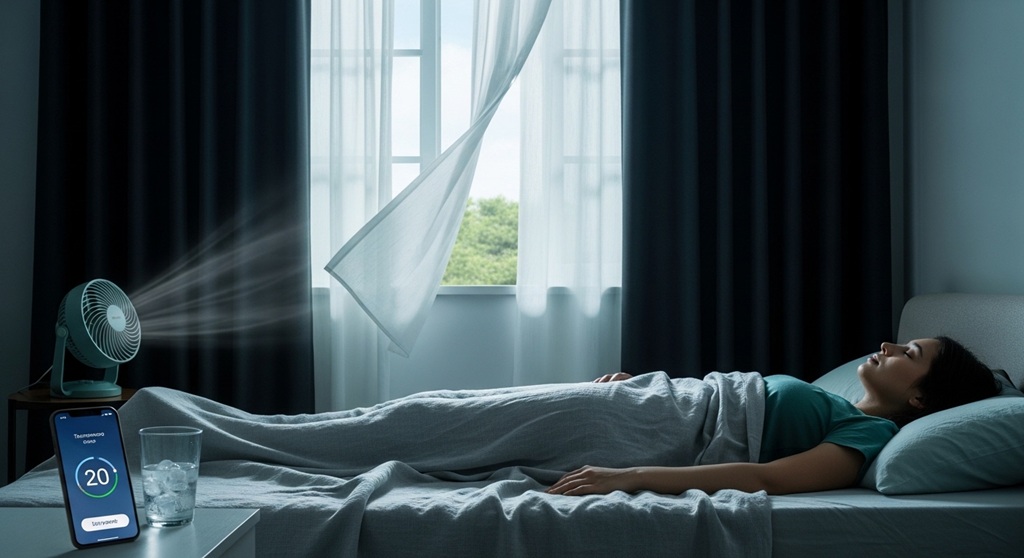
Struggling to sleep in hot weather? You’re not alone. When temperatures rise, your body finds it harder to regulate its internal temperature, making it difficult to fall asleep and stay asleep. The solution isn’t just turning on a fan—it’s optimizing your sleep setup, especially your pillow.
This guide breaks down how to stay cool while sleeping in summer using practical, research-backed strategies. From choosing breathable bedding to applying effective cooling mattress tips, you’ll learn what actually works—not just what sounds good. If you’re waking up sweaty, restless, or tired, this pillow-focused guide will help you fix it.
Quick answer: To stay cool at night, use breathable pillows (like latex or gel-infused memory foam), switch to moisture-wicking pillowcases, improve airflow, and align your bedding with heat-dissipation principles.
Why Do We Feel Hot While Sleeping in Summer?
Short answer: Your body temperature naturally drops to initiate sleep, but hot weather disrupts this process, leading to discomfort and poor sleep quality.
Your core body temperature needs to drop by about 1–2°C to signal sleep onset. In summer, high ambient temperatures interfere with this natural cooling mechanism. As a result, your body struggles to enter deep sleep stages.
According to a study published in the journal Sleep Medicine Reviews, elevated bedroom temperatures can reduce REM sleep and increase nighttime awakenings.
- Hot air traps heat around your head and neck
- Non-breathable pillows retain body heat
- Poor airflow increases humidity
This is why your pillow plays a critical role—it directly impacts heat retention around your head.
What Is the Best Pillow for Hot Sleepers?
Short answer: The best pillow for hot sleepers is breathable, moisture-wicking, and designed to dissipate heat—like latex, buckwheat, or gel-infused memory foam.
Top Cooling Pillow Types
- Latex pillows: Naturally breathable with open-cell structure
- Buckwheat pillows: Allow airflow between hulls
- Gel-infused memory foam: Absorbs and redistributes heat
- Down alternative: Lightweight and less heat-retentive
Case insight: A 2022 consumer sleep study showed that users switching to latex pillows reported a 35% reduction in night sweats compared to traditional foam pillows.
Pro tip: Avoid dense memory foam without cooling technology—it traps heat.
How Does Pillow Material Affect Sleep Temperature?
Short answer: Pillow materials influence airflow, heat retention, and moisture control, directly impacting how cool or hot you feel.
| Material | Breathability | Heat Retention | Best For |
|---|---|---|---|
| Memory Foam | Low | High | Cool rooms only |
| Gel Foam | Medium | Medium | Moderate heat |
| Latex | High | Low | Hot sleepers |
| Buckwheat | Very High | Very Low | Extreme heat |
Breathable bedding materials allow heat to escape instead of trapping it. That’s the key difference.
What Are the Best Breathable Pillow Covers?
Short answer: Cotton, bamboo, and linen pillowcases are the best breathable bedding options for hot weather sleep.
Choosing the right pillowcase can enhance cooling performance.
- Cotton (percale weave): Lightweight and crisp
- Bamboo fabric: Moisture-wicking and soft
- Linen: Highly breathable and durable
Avoid synthetic fabrics like polyester—they trap heat and sweat.
How Can You Cool Down Your Pillow Before Sleep?
Short answer: Pre-cool your pillow using airflow, cooling packs, or temperature control techniques.
- Place pillow in a cool room before bedtime
- Use a cooling gel pad insert
- Keep windows open for airflow
- Flip pillow to the cooler side during the night
Simple habits like these can reduce surface temperature quickly.
What Are Effective Cooling Mattress Tips That Support Pillow Cooling?
Short answer: Use breathable mattresses, cooling toppers, and airflow strategies to complement your pillow’s cooling effect.
Your pillow alone won’t fix overheating if your mattress traps heat.
- Choose hybrid or latex mattresses
- Use cooling mattress toppers
- Keep space under bed ventilated
- Avoid thick foam layers
These cooling mattress tips improve overall heat regulation.
How Does Room Environment Affect Sleep Temperature?
Short answer: Room temperature, airflow, and humidity levels directly influence how cool your pillow and body stay.
- Ideal room temperature: 16–19°C
- Use fans for air circulation
- Dehumidifiers reduce sticky heat
Without proper airflow, even the best cooling pillow won’t perform effectively.
What Are Simple Hot Weather Sleep Tips That Actually Work?
Short answer: Combine breathable bedding, hydration, and cooling habits for better sleep.
- Take a lukewarm shower before bed
- Wear loose cotton clothing
- Stay hydrated
- Avoid heavy meals at night
These hot weather sleep tips support your body’s cooling process.
Can Cooling Pillows Improve Sleep Quality?
Short answer: Yes. Cooling pillows reduce overheating, helping you fall asleep faster and stay asleep longer.
Sleep research shows that temperature regulation is one of the most important factors in sleep quality. When your head stays cool, your body relaxes faster.
Real insight: Users report fewer wake-ups and improved comfort within 7–10 days of switching to cooling pillows.
Conclusion: What’s the Best Way to Stay Cool While Sleeping?
Hot nights don’t have to mean poor sleep. The problem isn’t just the temperature—it’s how your sleep setup handles heat.
By choosing the right pillow, upgrading to breathable bedding, and applying smart cooling mattress tips, you can significantly improve sleep quality even in peak summer.
Action step: Start with your pillow. It’s the fastest and most cost-effective upgrade. Then optimize your bedding and environment step by step.
Better sleep starts tonight. Don’t wait for the weather to change—fix your setup instead.
FAQs: How to Stay Cool While Sleeping in Summer
1. What pillow is best for hot sleepers?
Latex and buckwheat pillows are best because they allow maximum airflow and minimal heat retention.
2. Do cooling pillows really work?
Yes. They help regulate temperature, reduce sweating, and improve sleep continuity.
3. What is the ideal bedroom temperature for sleep?
Between 16–19°C is considered optimal for most people.
4. Are bamboo pillowcases better than cotton?
Bamboo is more moisture-wicking, while cotton is more breathable. Both are good choices.
5. How can I stop sweating at night?
Use breathable bedding, stay hydrated, and improve room airflow.
6. Should I flip my pillow during sleep?
Yes. Flipping exposes the cooler side and reduces heat buildup.
7. Can mattress type affect heat?
Yes. Foam mattresses retain heat, while latex and hybrid options are cooler.
Read More Also: How to Choose Women’s Cycling Shorts with Pockets for Convenience
Find out: How to Use a Cordless Tire Inflator Anywhere: Complete Guide