

Modern technology has transformed how we handle roadside emergencies and vehicle maintenance. Gone are the days when you needed to find a gas station or carry bulky equipment to inflate your tires. Today’s portable inflation devices offer convenience and independence that earlier generations could only dream about. These compact tools have become essential equipment for every vehicle owner.
Understanding how to properly use these devices ensures you’re never stranded with a flat tire. Whether you’re on a remote highway, in your driveway, or preparing for a long road trip, having the right knowledge makes all the difference. This comprehensive guide will walk you through everything you need to know about using cordless inflation tools effectively and safely.
Understanding Your Cordless Inflation Device
Before diving into usage instructions, it’s important to understand what makes these tools work. A rechargeable air pump operates on battery power, eliminating the need for electrical outlets or vehicle power sources. This independence provides incredible flexibility for various inflation needs beyond just vehicle tires.
Most modern devices feature built-in lithium-ion batteries that hold charges for extended periods. Additionally, they include automatic shut-off functions that prevent over-inflation. Digital displays show real-time pressure readings, making the inflation process precise and foolproof. These features combine to create user-friendly tools that anyone can operate confidently.
The typical device weighs between two and five pounds, making it highly portable. Furthermore, compact designs allow storage in glove compartments, trunks, or even backpacks. This portability means you can take your inflation tool anywhere without adding significant weight or bulk to your load.
Power output varies between models, affecting inflation speed and capability. Entry-level models work well for car tires, bicycles, and sports equipment. However, heavy-duty versions can handle larger tires on trucks and SUVs. Understanding your device’s capabilities ensures you use it within appropriate limits.
Preparing Your Device for First Use
Proper preparation extends your device’s lifespan and ensures reliable performance. When you first receive your cordless inflator, take time to familiarize yourself with its components. Read the manufacturer’s manual thoroughly, as specific models may have unique features or requirements.
Initial charging is crucial for battery health. Connect your device to the provided charger and allow it to charge fully before first use. This typically takes between three and six hours depending on battery capacity. Moreover, this initial full charge helps calibrate the battery management system.
Inspect all included accessories and attachments. Most devices come with multiple nozzle adapters for different valve types. Ensure you have adapters for car tires, bicycle tires, sports balls, and inflatable toys. Additionally, check that all pieces fit securely and show no manufacturing defects.
Test your device in a non-emergency situation before relying on it. Inflate a bicycle tire or sports ball to familiarize yourself with the controls and operation. This practice run builds confidence and reveals any potential issues while you still have time to address them.
Store your inflator in an easily accessible location. Keep it in your vehicle’s trunk or storage compartment where it won’t get damaged. Furthermore, maintain all accessories together in the carrying case if provided. This organization prevents lost pieces and ensures readiness when needed.
Step-by-Step Operating Instructions
Using a cordless tire inflator is straightforward once you understand the basic process. Follow these detailed steps for safe and effective operation every time you need to inflate a tire.
Start by checking your tire’s recommended pressure. This information appears on a sticker inside the driver’s door jamb or in your vehicle’s owner manual. Never rely on guesswork, as improper pressure affects safety and fuel efficiency. Write down the correct PSI for easy reference.
Remove the valve cap from the tire you’re inflating. Place the cap in a secure location where it won’t get lost. Additionally, inspect the valve stem for damage or debris that might prevent a proper seal. Clean the valve if necessary using a dry cloth.
Attach the appropriate nozzle firmly to your device. Most tire valves use a standard Schrader valve, which requires the threaded connector that comes standard with most inflators. Ensure the connection is tight but avoid cross-threading, which can damage the valve.
Connect the nozzle to the tire valve by pressing it on and securing the locking mechanism. A proper connection is essential for efficient inflation. You should hear a slight hiss initially, but this should stop once the seal forms. If air continues escaping, reposition the nozzle.
Set your desired pressure using the device’s control panel. Most modern inflators allow you to preset the target PSI. The device will automatically stop when reaching this pressure, preventing over-inflation. This feature provides peace of mind and consistent results.
Power on the device and begin inflation. Monitor the digital display as pressure increases. The process typically takes between three and eight minutes per tire, depending on how deflated the tire is and your device’s power output. Therefore, patience is important for complete inflation.
Once the device automatically shuts off, carefully disconnect it from the valve. Some residual air may escape during disconnection, which is normal. Quickly replace the valve cap to maintain pressure and keep dirt out of the valve.
Verify the final pressure using the device’s gauge or a separate tire pressure gauge. This double-check ensures accuracy and confirms successful inflation. If pressure is slightly low, simply reconnect and add more air. Conversely, if pressure is too high, release air using the valve stem.
Safety Precautions and Best Practices
Safety should always be your top priority when operating any mechanical device. Following proper safety protocols prevents accidents and equipment damage. These guidelines ensure safe operation in all situations.
Never exceed your tire’s maximum pressure rating. Over-inflation can cause tire damage or even dangerous blowouts. Additionally, it reduces tire lifespan and creates unsafe driving conditions. Always reference manufacturer specifications rather than guessing.
Avoid operating your inflator in extreme temperatures. Excessive heat can damage battery components and reduce performance. Similarly, extreme cold affects battery efficiency and may prevent the device from operating properly. Store and use your device within recommended temperature ranges.
Keep the device away from water and moisture. Although many models feature some water resistance, they’re not waterproof. Therefore, avoid using them in rain or near puddles. Moisture damage can cause electrical failures and safety hazards.
Allow the device to cool between extended uses. Continuous operation generates heat that can damage internal components. Most manufacturers recommend rest periods after ten to fifteen minutes of continuous use. This cooling time protects the motor and extends device lifespan.
Inspect cords and connections regularly for wear or damage. Frayed wires or loose connections pose electrical hazards. Replace damaged components immediately rather than attempting repairs yourself. Furthermore, use only manufacturer-approved replacement parts and accessories.
Keep children and pets away during operation. The device generates noise and moving parts that could startle or harm them. Additionally, hot surfaces may develop during extended use. Maintain a safe working area free from distractions.
Maintaining Optimal Battery Performance
Battery care significantly impacts your wireless inflator’s reliability and longevity. Proper maintenance ensures your device remains ready when emergencies arise. Follow these guidelines to maximize battery health and performance.
Charge your battery every three months even when not in use. Lithium-ion batteries self-discharge over time, and complete discharge can damage cells. Regular charging maintains battery health and ensures readiness. Set calendar reminders to help remember this important maintenance task.
Avoid completely draining the battery before recharging. Modern lithium-ion batteries prefer partial discharge cycles over complete depletion. Therefore, recharge when the battery indicator shows around twenty to thirty percent remaining. This practice extends overall battery lifespan significantly.
Store your device with a partial charge when not using it regularly. Aim for around fifty to sixty percent charge for long-term storage. This charge level prevents both over-discharge and the stress of full charge during storage. Additionally, store in cool, dry locations away from direct sunlight.
Use only the manufacturer’s provided charger or approved alternatives. Generic chargers may not provide correct voltage or current, potentially damaging your battery. Furthermore, they may lack important safety features that prevent overcharging or overheating.
Monitor charging times and behavior. If your device takes significantly longer to charge or doesn’t hold charge as well as before, the battery may be nearing end of life. Most batteries last between three and five years with proper care. Plan for eventual replacement to maintain reliability.
Clean charging ports regularly to ensure good connections. Dust and debris can prevent proper charging and cause connection issues. Use compressed air or a soft brush to clean ports gently. Moreover, inspect for corrosion or damage that might require professional attention.
Troubleshooting Common Issues
Even well-maintained devices occasionally experience problems. Knowing how to diagnose and resolve common issues saves time and frustration. These troubleshooting tips address the most frequent challenges users encounter.
If your device won’t power on, first check the battery charge level. Connect to the charger and look for indicator lights showing charging status. If no lights appear, inspect the charging cable and port for damage. Additionally, try a different outlet to rule out electrical issues.
When inflation seems slow or weak, verify your battery has sufficient charge. Low battery power reduces performance significantly. Furthermore, check that all connections are tight and properly sealed. Air leaks waste power and prevent efficient inflation.
Inaccurate pressure readings may indicate calibration issues. Some devices allow manual recalibration through the settings menu. Consult your user manual for specific calibration procedures. However, persistent accuracy problems may require professional service or replacement.
Unusual noises during operation often signal mechanical problems. Stop using the device immediately if you hear grinding, squealing, or rattling sounds. These noises may indicate worn components or foreign objects inside the housing. Professional inspection prevents further damage.
Overheating protection activates when internal temperatures exceed safe limits. If your device shuts off unexpectedly, allow it to cool for at least thirty minutes. Continuous overheating suggests excessive workload or ventilation problems. Ensure air intake vents remain clear of debris.
Connection problems between nozzle and valve stem frustrate many users. Ensure you’re using the correct adapter for your valve type. Additionally, check that rubber seals inside the connector remain intact and pliable. Hardened or damaged seals prevent proper sealing.
Beyond Tires: Alternative Uses
A rechargeable air pump serves many purposes beyond automotive applications. Understanding these alternative uses maximizes your investment and increases the device’s value. Discover the versatility of your portable inflation tool.
Bicycle maintenance becomes simpler with a portable inflator. Both road bikes and mountain bikes require regular pressure checks and adjustments. Additionally, the precision of digital pressure gauges ensures optimal performance for different riding conditions. Cyclists appreciate the convenience of quick, accurate inflation.
Sports equipment inflation represents another common application. Soccer balls, basketballs, volleyballs, and footballs all need proper inflation for optimal performance. Furthermore, maintaining correct pressure extends the lifespan of expensive sporting goods. Coaches and athletes benefit from portable inflation capability at practice fields.
Inflatable recreational items gain new convenience with portable inflators. Air mattresses for camping or guests inflate in minutes rather than requiring manual pumping. Pool toys, rafts, and floaties prepare quickly for summer fun. Moreover, deflation assistance on some models speeds cleanup and storage.
Motorcycle and ATV tires often require pressure adjustments for different terrain. Trail riders appreciate the ability to lower pressure for better traction, then reinflate before returning to pavement. This flexibility improves both performance and safety across varied riding conditions.
Emergency preparedness kits should include reliable inflation tools. During natural disasters or power outages, maintaining proper tire pressure ensures vehicle reliability for evacuations or supply runs. Additionally, the ability to inflate air mattresses or other emergency equipment proves invaluable during crises.
Choosing the Right Model for Your Needs
Understanding available options helps you select the best device for your specific requirements. Different models offer varying features, capacities, and price points. Consider these factors when choosing your ideal inflator.
Maximum PSI capacity determines what you can inflate. Basic models reaching 100-150 PSI handle most car tires, bicycles, and recreational items. However, larger vehicles or specialty applications may require 200 PSI or higher. Match the device’s capacity to your highest-pressure needs.
Flow rate affects inflation speed significantly. Measured in liters per minute, higher flow rates complete jobs faster. Therefore, if you frequently inflate large tires or multiple items, prioritize higher flow rates. Conversely, occasional users may find moderate speeds perfectly adequate.
Battery capacity impacts both runtime and power output. Larger capacity batteries support more consecutive inflations between charges. Additionally, they typically provide stronger performance throughout the charge cycle. Consider how many tires you might need to inflate in a single session.
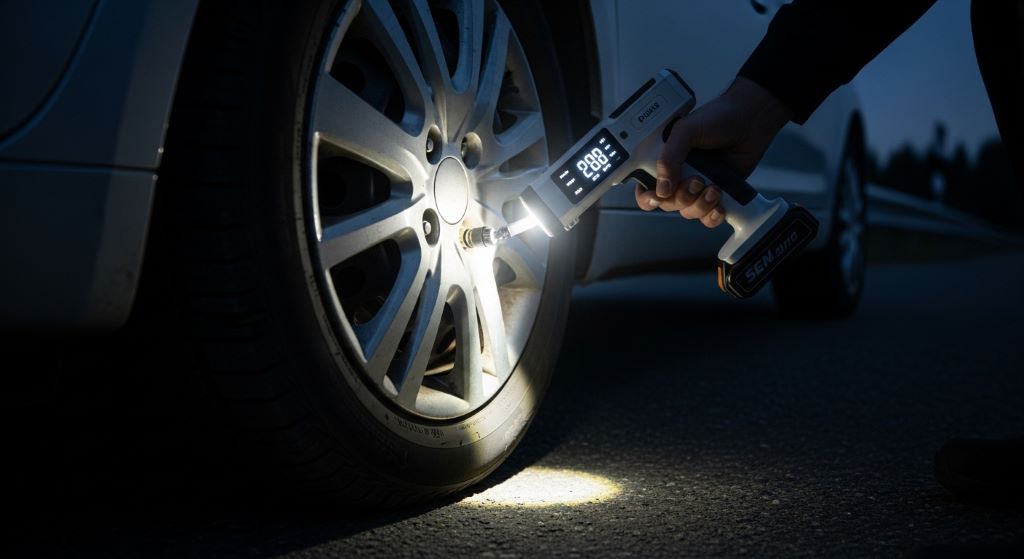
Built-in LED lights add valuable functionality for roadside emergencies. Quality lights illuminate work areas in darkness and can serve as emergency flashers. Furthermore, some models include SOS flash patterns for signaling distress. These features enhance safety during nighttime breakdowns.
Digital displays vary in quality and readability. Backlit screens with large numbers provide better visibility in all lighting conditions. Additionally, some advanced models show both current and target pressure simultaneously. User-friendly interfaces reduce errors and improve efficiency.
Portability features affect convenience and usability. Compact designs with integrated handles or carrying straps enhance mobility. Moreover, included storage cases protect the device and keep accessories organized. Weight considerations matter if you’ll carry the device frequently.
Seasonal Considerations and Temperature Effects
Temperature changes significantly impact tire pressure and inflation needs. Understanding these effects helps you maintain proper pressure year-round. Seasonal awareness prevents both under-inflation and over-inflation problems.
Cold weather reduces tire pressure naturally. For every ten-degree temperature drop, tires lose about one PSI. Therefore, winter months require more frequent pressure checks and adjustments. Keep your inflator readily accessible during cold seasons for regular maintenance.
Hot weather increases tire pressure through thermal expansion. Summer heat can raise pressure by several PSI above morning levels. Additionally, prolonged highway driving generates even more heat and pressure. Check tires when cold for most accurate readings.
Altitude changes affect pressure readings as well. Higher elevations have lower atmospheric pressure, which influences tire pressure measurements. Mountain travelers should check and adjust pressures at their destination altitude. Furthermore, descending to lower elevations may require pressure release.
Seasonal tire changes present perfect opportunities for pressure verification. When switching between winter and summer tires, ensure new installations have correct pressure. Moreover, this transition time allows inspection for any damage or wear requiring attention.
Storage conditions impact your inflator’s performance across seasons. Extreme temperatures in vehicle trunks or garages affect battery health. Consider bringing your device indoors during temperature extremes. This protection maintains optimal performance and extends lifespan.
Environmental and Cost Benefits
Owning a portable inflation device provides both environmental and financial advantages. These benefits extend beyond immediate convenience to create long-term value. Understanding these positive impacts reinforces the wisdom of your investment.
Proper tire pressure improves fuel efficiency significantly. Under-inflated tires create more rolling resistance, forcing engines to work harder. Studies show that maintaining correct pressure can improve fuel economy by up to three percent. Therefore, regular pressure maintenance reduces both fuel costs and emissions.
Extended tire life results from proper inflation maintenance. Tires wear unevenly when pressure is incorrect, requiring premature replacement. Additionally, properly inflated tires resist damage better and perform more safely. This longevity reduces waste and saves money over vehicle ownership.
Independence from gas station air compressors saves time and money. Many stations now charge for air or have unreliable equipment. Furthermore, convenience stores may be closed or inaccessible during emergencies. Your personal device provides guaranteed access whenever needed.
Reduced roadside assistance calls decrease both costs and environmental impact. Tow trucks and service vehicles consume fuel and create emissions. Moreover, roadside service fees add up quickly over time. Self-sufficiency reduces these expenses and environmental costs.
Multi-purpose functionality eliminates the need for separate inflation devices. One quality unit replaces manual pumps for bicycles, sports equipment, and recreational items. This consolidation reduces overall consumption and storage requirements. Additionally, it simplifies maintenance and operation.
Conclusion
Mastering the use of a cordless tire inflator empowers you with independence and confidence on the road. These versatile devices provide reliable inflation anywhere, anytime, without depending on external power sources or service stations. From emergency roadside repairs to routine maintenance and recreational activities, your wireless inflator serves countless purposes.
Proper preparation, safe operation, and regular maintenance ensure your device remains ready when needed. Understanding battery care extends lifespan and maintains performance. Additionally, knowing troubleshooting techniques helps resolve minor issues without professional assistance.
The investment in a quality portable inflation tool pays dividends through improved safety, convenience, and cost savings. Proper tire pressure enhances fuel efficiency, extends tire life, and improves vehicle handling. Furthermore, the versatility to inflate bicycles, sports equipment, and recreational items maximizes value.
Whether you’re a daily commuter, weekend adventurer, or simply value preparedness, a cordless inflator deserves a place in your vehicle. Take time to select the right model for your needs, learn its operation thoroughly, and maintain it properly. These simple steps ensure you’re never stranded with a flat tire or under-inflated equipment again.
Frequently Asked Questions
How long does a fully charged battery last on a cordless tire inflator?
Most devices can inflate between three and six car tires on a single charge, depending on battery capacity and tire size. Smaller tires or partial inflation require less power and allow more uses per charge. Heavy-duty models with larger batteries may handle eight or more tires. Battery performance decreases over time, so expect gradual reduction in capacity over the device’s lifespan.
Can I use a cordless inflator while it’s plugged in and charging?
This depends on your specific model’s design. Some devices support simultaneous charging and operation, while others require choosing one or the other. Consult your user manual for definitive guidance. However, for optimal battery health, it’s generally better to use the device on battery power and charge it separately afterward.
What’s the difference between PSI, BAR, and KPA pressure measurements?
These are different units measuring the same thing. PSI stands for pounds per square inch and is most common in the United States. BAR is the metric unit used in Europe, where one BAR equals approximately 14.5 PSI. KPA represents kilopascals, another metric measurement where 100 KPA equals approximately one BAR. Most digital inflators allow switching between units for convenience.
How do I know when my inflator’s battery needs replacement?
Signs include significantly reduced inflation capacity, much longer charging times, inability to hold charge, or the battery becoming hot during charging or use. If your device previously inflated four tires per charge but now barely handles one, battery replacement is likely needed. Most batteries last three to five years with proper care before requiring replacement.
Can cordless inflators work in freezing temperatures?
Performance decreases in extreme cold due to reduced battery efficiency. Most devices function down to around 32 degrees Fahrenheit, though with diminished power. Below freezing, you may notice slower inflation and reduced battery runtime. For best results in cold weather, store your inflator indoors and bring it to your vehicle when needed rather than leaving it in a cold trunk.
Related Topics:
How to Pick the Best Cordless Drill for Home Improvement
What Bodily Injury Liability Actually Covers in Car Accidents