
Every car owner needs a reliable jack for tire changes and basic maintenance. However, finding a quality jack that doesn’t drain your wallet can feel overwhelming with so many options available. The good news is that you don’t need to spend a fortune to get a dependable tool that will serve you well for years.
Understanding what separates a good budget jack from a poor one helps you make smart purchasing decisions. This guide will walk you through everything you need to know about selecting affordable jack tools that deliver genuine value without cutting corners on safety or durability.
Understanding Different Types of Car Jacks
Before diving into budget considerations, it’s important to understand the main types of jacks available. Each design has specific advantages and limitations that affect both price and performance.
Scissor jacks are the most common type found in vehicle emergency kits. They’re compact, lightweight, and simple to operate. These jacks use a diamond-shaped mechanism that expands vertically when you turn a handle. While they’re generally the least expensive option, they also have lower weight capacities and can be slower to use.
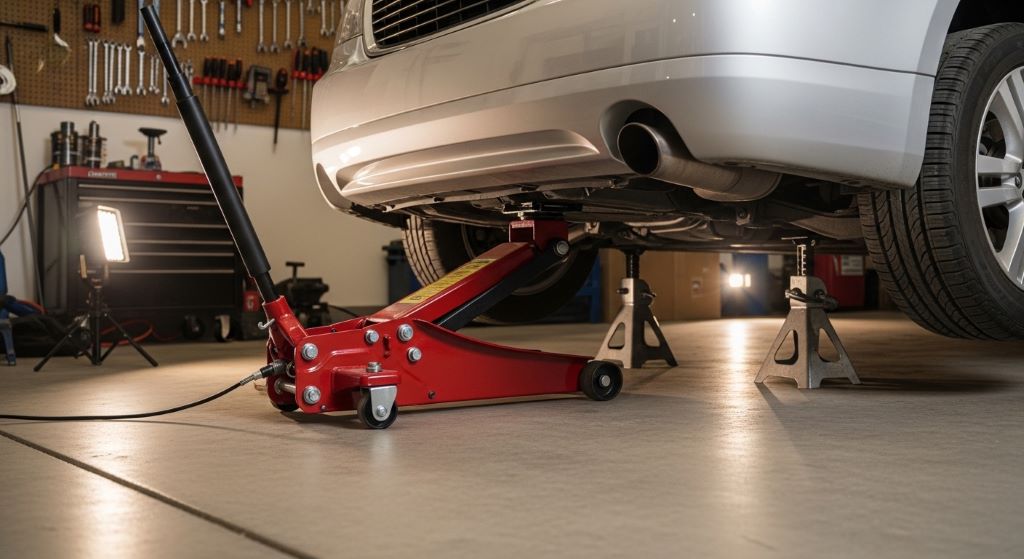
Floor jacks feature a horizontal design with wheels for easy positioning. They use hydraulic pressure to lift vehicles quickly and can handle heavier loads than scissor jacks. These jacks cost more but offer better stability and faster operation. They’re ideal for home garage use but too bulky for roadside emergencies.
Bottle jacks are compact hydraulic jacks shaped like a bottle. They provide excellent lifting capacity in a small package and cost less than floor jacks. However, they require a flat, stable surface and can’t fit under vehicles with low ground clearance.
Each type serves different purposes, and understanding these differences helps you choose the right jack for your specific needs without overspending on features you won’t use.
Safety Features You Cannot Compromise
When shopping for budget options, certain safety features should never be sacrificed regardless of price. These elements protect both you and your vehicle during use.
Weight capacity is the most critical specification to check. Your jack must safely support your vehicle’s weight with room to spare. Check your car’s manual for its weight, then choose a jack rated for at least 50 percent more. This safety margin accounts for uneven weight distribution and provides a crucial buffer.
Stability mechanisms prevent the jack from slipping or tipping during use. Look for wide bases on floor jacks, large footplates on scissor jacks, and saddles with grooves or rubber padding on all types. These features keep the jack steady even on slightly uneven surfaces.
A safety valve in hydraulic jacks prevents over-extension that could cause failure. This small component makes a significant difference in preventing accidents. Even budget hydraulic jacks should include this essential feature.
Locking mechanisms hold the jack at the desired height. Scissor jacks should have positive locking positions, while floor jacks need reliable locking bars. Never trust a jack without proper locking features, regardless of how cheap it is.
Material Quality Indicators
The materials used in construction directly affect durability and longevity. Fortunately, you can identify quality materials without needing expert knowledge.
Steel construction provides the best strength and durability. Look for jacks made from heavy-gauge steel rather than thin metal that bends easily. The weight of the jack often indicates material quality. Heavier jacks typically use thicker, more durable steel.
Welding quality matters significantly for long-term reliability. Examine the welds on any jack you’re considering. They should be smooth, consistent, and free from gaps or excessive spatter. Poor welding creates weak points that can fail under stress.
Paint or coating protects against rust and corrosion. Quality budget jacks feature powder coating or enamel paint that resists chipping. While paint might seem purely cosmetic, it actually extends the jack’s lifespan by preventing rust that weakens metal components.
Moving parts should operate smoothly without excessive play or grinding. Test the handle, release valve, and any adjustment mechanisms. They should move easily but not feel loose or sloppy.
Where to Find Value for Money Tools
Knowing where to shop significantly impacts the quality you can afford. Different retailers offer varying levels of value and service.
Hardware stores often have knowledgeable staff who can guide you toward reliable budget options. They typically carry mid-range brands that balance cost and quality. Additionally, you can inspect the jack in person before buying.
Online marketplaces provide access to numerous brands and competitive pricing. However, you can’t physically inspect items before purchase. Read customer reviews carefully, focusing on comments about durability and safety rather than just price.
Auto parts stores specialize in automotive tools and usually stock jacks suitable for various vehicles. Their staff often have practical experience and can recommend options based on your specific car and usage patterns.
Wholesale clubs occasionally offer excellent deals on quality jacks. While selection may be limited, the items they do carry are often well-vetted for quality and come with generous return policies.
Watch for seasonal sales at these retailers. Many offer significant discounts during holiday periods or when clearing inventory for new models. Therefore, timing your purchase can substantially increase the quality you can afford.
Key Specifications to Compare
Understanding technical specifications helps you evaluate different options objectively. Focus on these key numbers when comparing potential purchases.
Lifting capacity indicates the maximum weight the jack can safely handle. For most passenger vehicles, a capacity of two to three tons is sufficient. SUVs and trucks may require three to four tons. Remember to choose capacity based on your heaviest vehicle if you own multiple cars.
Minimum and maximum height determines whether the jack will fit under your car and lift it high enough for your needs. Low-profile vehicles require jacks with minimal ground clearance. Check these measurements against your vehicle’s specifications.
Lifting range shows how much vertical travel the jack provides. A wider range offers more versatility but may cost slightly more. However, this feature becomes crucial if you work on multiple vehicles with different ground clearances.
Construction weight affects portability but often indicates build quality. Extremely lightweight jacks may use thinner materials that compromise durability. Conversely, excessively heavy jacks become difficult to maneuver.
Reading and Interpreting Reviews
Customer reviews provide valuable insights beyond manufacturer specifications. Learning to read reviews effectively helps you identify genuine value for money tools.
Look for patterns in feedback rather than individual complaints. Every product receives some negative reviews, but consistent issues across multiple reviewers indicate real problems. Pay particular attention to comments about safety, durability, and performance over time.
Recent reviews matter more than old ones. Manufacturing quality can change as companies modify their production processes. Reviews from the past six months give the most accurate picture of current product quality.
Verified purchase indicators show that reviewers actually bought and used the product. These reviews carry more weight than unverified comments that might come from promotional sources.
Detailed reviews with specific information are more trustworthy than vague praise or criticism. Look for reviewers who describe their usage scenarios, vehicle types, and how long they’ve owned the jack.
Photos in reviews can reveal quality issues not visible in product images. Customer photos often show the jack after months of use, highlighting wear patterns and potential weak points.
Testing Before First Real Use
Once you purchase a jack, proper testing ensures it works correctly before you need it in an emergency situation. This step is crucial for budget purchases where quality control may be less stringent.
Inspect the jack thoroughly upon arrival. Check for damage during shipping, missing parts, or obvious defects. Test all moving parts to ensure they operate smoothly. Look for any signs of oil leakage on hydraulic models.
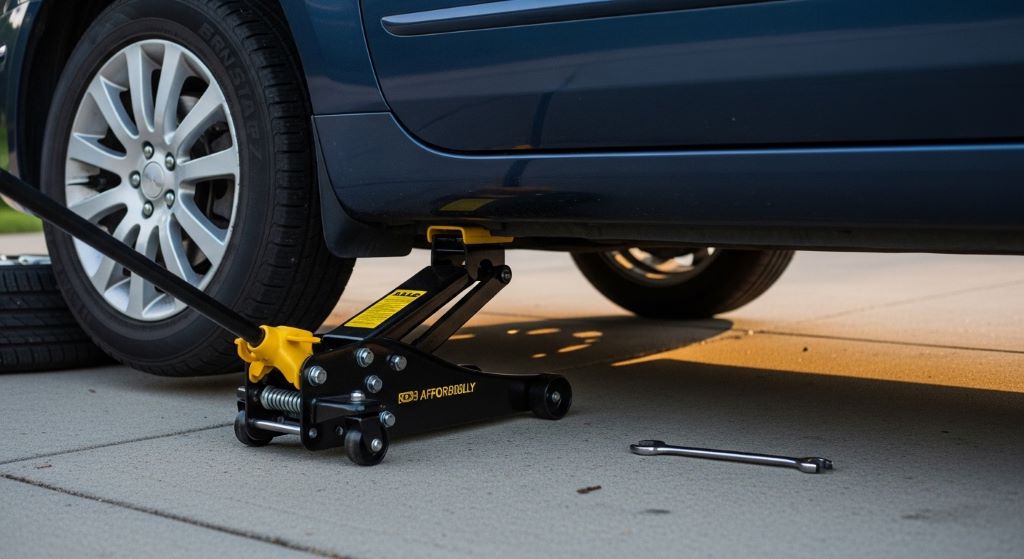
Perform a test lift in a safe environment before using the jack on your vehicle. Use a heavy object like concrete blocks to verify the jack operates correctly under load. This test reveals any functional issues without risking your car.
Practice the complete jacking process in your driveway or garage. Familiarize yourself with how the jack operates, including raising, lowering, and positioning. This practice builds confidence and helps you use the jack correctly when it really matters.
Check stability under load by gently pressing on a lifted object from different angles. The jack should remain steady without shifting or settling. Any movement suggests instability that could be dangerous during actual use.
Maintenance for Long-Term Value
Proper maintenance extends the life of budget jacks significantly. These simple practices protect your investment and ensure reliable performance.
Keep the jack clean and dry between uses. Wipe off dirt, moisture, and road salt that can cause rust. Store the jack in a dry location away from extreme temperatures that might affect hydraulic fluid or metal components.
Lubricate moving parts regularly according to the manufacturer’s instructions. Scissor jacks need occasional application of dry lubricant on the screw mechanism. Hydraulic jacks require periodic checking of fluid levels and potential top-ups.
Inspect the jack before each use. Look for cracks, bent components, or leaking fluid. Replace any damaged parts immediately rather than risking failure during operation.
Never exceed the jack’s rated capacity. Overloading causes premature wear and can lead to catastrophic failure. If you need to lift something heavier, invest in a higher-capacity jack rather than pushing your current one beyond its limits.
Store the jack properly to prevent damage. Keep scissor jacks fully collapsed, and store floor jacks with the ram lowered. This position relieves pressure on internal components and extends their lifespan.
Additional Features Worth Considering
While staying within budget, certain additional features provide extra value without significantly increasing cost. These extras enhance usability and safety.
A carrying case protects the jack during storage and transport. Many budget jacks include basic cases that prevent damage and keep accessories organized. This feature is particularly valuable for scissor jacks used for roadside emergencies.
A built-in light helps when changing tires at night or working in dimly lit garages. Some budget jacks now include LED lights powered by batteries, adding significant convenience for minimal extra cost.
Quick-lift mechanisms reduce the time needed to raise a vehicle. Floor jacks with dual-pump systems lift faster than single-pump models. This feature isn’t essential but makes the jack more pleasant to use.
Swivel saddles on floor jacks improve contact with vehicle lift points. They adjust to match angled surfaces, distributing force more evenly. This simple feature increases safety and protects your vehicle’s undercarriage.
Built-in jack stands or safety locks provide backup security. While separate jack stands are still recommended, integrated safety features add an extra layer of protection during use.
Red Flags to Avoid
Certain warning signs indicate a jack that should be avoided regardless of price. Recognizing these red flags prevents costly mistakes.
Extremely low prices compared to similar products often indicate substandard materials or manufacturing. If a deal seems too good to be true, it probably is. Research the typical price range for the jack type you need.
Missing or unclear specifications suggest a manufacturer trying to hide inferior capabilities. Reputable brands clearly state weight capacity, lifting range, and construction materials. Vague descriptions are major red flags.
No warranty or guarantee indicates a manufacturer with no confidence in their product. Even budget jacks should include at least a limited warranty. The absence of any warranty protection suggests poor quality.
Numerous complaints about the same specific issue in reviews point to a design or manufacturing flaw. Don’t assume you’ll be lucky enough to receive a good unit from a batch with known problems.
Unknown brands with no established reputation carry higher risk. While some new companies offer good products, established brands have proven track records. Balance potential savings against the risk of dealing with an unknown manufacturer.
Conclusion
Choosing the best budget car jack requires balancing cost against essential safety and quality features. Focus on finding affordable jack tools that meet your specific needs rather than simply buying the cheapest option available. Prioritize safety features like adequate weight capacity, stability mechanisms, and durable construction materials.
Research thoroughly by reading reviews, comparing specifications, and understanding the different jack types available. Remember that proper maintenance significantly extends the life of budget jacks, making them excellent value for money tools when cared for correctly.
Avoid compromising on critical safety features regardless of price constraints. A slightly higher investment in a quality budget jack provides better long-term value than repeatedly replacing inferior products. Test your jack before relying on it in emergencies, and inspect it regularly to ensure continued safe operation.
By following these guidelines, you can confidently select a budget-friendly car jack that serves you reliably for years without breaking the bank.
Frequently Asked Questions
How much should I expect to spend on a quality budget car jack?
Quality budget car jacks typically range from thirty to eighty dollars depending on the type and features. Scissor jacks are usually the least expensive, while hydraulic floor jacks cost more but offer better performance. Focus on finding the best quality within your price range rather than fixating on a specific dollar amount. Remember that spending slightly more on a reliable jack often costs less in the long run than replacing cheap, failed units.
Can I use a budget jack for regular car maintenance or just emergencies?
Budget jacks can certainly handle regular maintenance if properly rated for your vehicle’s weight and used correctly. However, always use jack stands for safety when working under your vehicle. The jack lifts the car, but stands provide the secure support needed during extended work. Choose a floor jack rather than a scissor jack if you plan to perform regular maintenance, as they’re more convenient for frequent use.
How do I know if a budget jack is safe to use?
Check that the jack’s weight capacity significantly exceeds your vehicle’s weight, ideally by at least 50 percent. Inspect the jack for quality construction, including solid welds, thick steel, and smooth operation of all moving parts. Look for safety features like locking mechanisms and stability-enhancing design elements. Read reviews from other users to identify any safety concerns. Finally, test the jack with a non-critical load before using it on your vehicle.
What’s the difference between a two-ton and three-ton jack for my sedan?
The number indicates the maximum weight the jack can safely lift. Most sedans weigh between 2,500 and 3,500 pounds, meaning a two-ton jack (4,000 pounds capacity) provides adequate capacity for many cars. However, a three-ton jack (6,000 pounds) offers a larger safety margin and more versatility if you might work on heavier vehicles later. Check your specific vehicle’s weight and choose accordingly.
How often should I replace my car jack?
Replace your car jack when you notice structural damage, excessive rust, hydraulic fluid leaks, or operational problems like slipping or failing to hold position. With proper maintenance and care, a quality budget jack can last ten to twenty years. However, inspect it before each use and replace it immediately if you notice any safety concerns. Regular maintenance extends lifespan significantly, making even budget options long-term investments.
Related Topics:
How to Use a Cordless Tire Inflator Anywhere: Complete Guide
How to Pick the Best Cordless Drill for Home Improvement