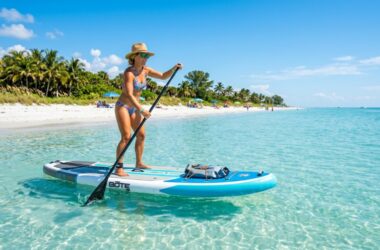
You’ve saved up, bought the board, and planned your sunrise paddle along the Intracoastal. But then your fin snaps on a shallow sandbar or bends after a rocky beach launch. It’s frustrating, and it interrupts the flow of your session. The real problem is that many paddleboarders in the Sunshine State grab the cheapest fin setup without considering Florida’s unique blend of shallow flats, seagrass, and choppy Atlantic surf. The solution isn’t just buying any replacement—it’s finding a durable SUP fin kit Florida paddlers actually trust. This guide breaks down exactly what to look for, how materials affect longevity, and which fin types match your local conditions.
What Makes a SUP Fin Kit “Durable” in Florida’s Environment?
A durable kit resists impact, UV damage, and saltwater corrosion while maintaining stiffness for tracking. In Florida, durability means surviving collisions with limestone rocks, oyster bars, and the occasional manatee bump. It also means the fin box and screws won’t strip after repeated changes.
Material Science: Nylon vs. Fiberglass vs. Carbon
Nylon fins are flexible and affordable but tend to bend permanently under high load. Fiberglass offers a stiffer feel with better snap, yet it can crack if you hit a hard object at speed. Carbon is the lightest and strongest, but it’s expensive and can be brittle on severe impacts. For Florida’s mixed conditions, a high-density nylon composite or a fiberglass fin with a nylon base is the best practical compromise.
The Importance of the Fin Box Connection
The weakest point is often where the fin meets the board. A durable kit includes a stainless steel or brass bolt and a reinforced fin box that doesn’t strip. If you frequently remove fins for transport, look for kits with threaded inserts that are molded into the fin, not glued.
UV and Saltwater Resistance Factors
Florida sun is brutal. Cheap fins fade, become chalky, and lose structural integrity after a few months. Quality kits use UV-stabilized plastics and marine-grade stainless hardware. Always rinse your fins with fresh water after salt sessions to prevent galvanic corrosion between the bolt and the fin.
Why Standard Fin Kits Fail in Shallow Florida Flats
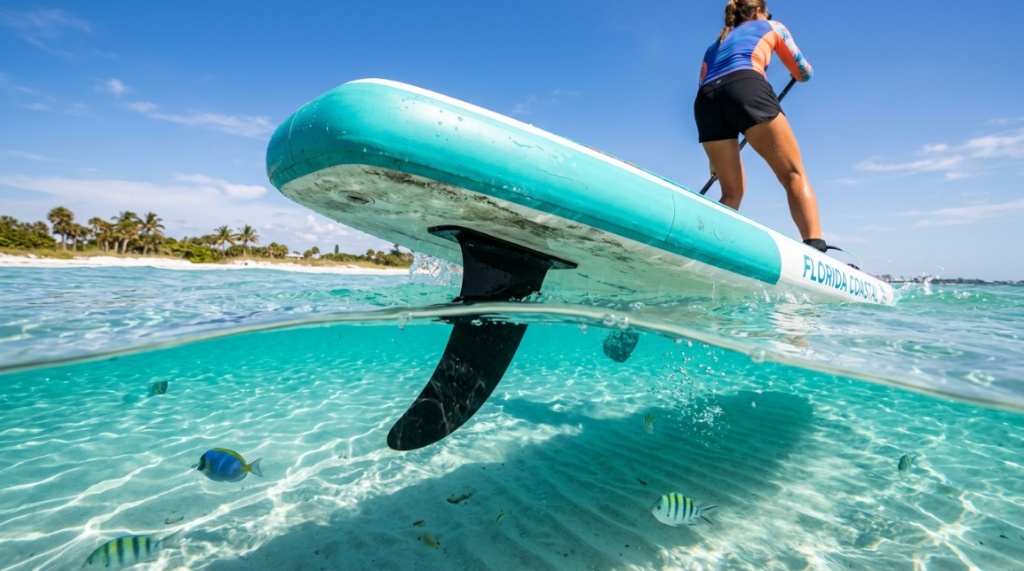
Standard kits often have a single large center fin that digs into sand or seagrass, causing sudden stops or breakage. In Florida’s shallow Gulf flats, you need fins that release quickly or are shorter in depth. A durable kit for this region often includes a “weedless” design or a shorter fin for skinny water.
Sand and Seagrass: The Hidden Enemies
When you paddle over sandbars, the fin can catch and torque sideways. This lateral pressure is what snaps cheap plastic. Look for fins with a flexible tip that can deflect, then return to shape. A rigid fin with no give is more likely to break at the base. Just as you need reliable gear for your vehicle—such as finding the best budget car jack without compromising on quality—choosing the right hardware for your watercraft ensures a safe and smooth experience on the waves.
Oyster Bars and Limestone: Impact Zones
Oysters are sharp and unforgiving. Durable fins for Florida’s east coast should have a beveled leading edge that deflects debris. If you paddle in the Indian River Lagoon, consider a fin with a replaceable tip—it’s cheaper to swap a worn tip than to buy a whole new kit.
How Fin Depth Affects Durability
A deeper fin (10+ inches) offers better upwind tracking but increases the risk of striking bottom. A 4.5 to 6.5-inch fin is usually enough for bay and river paddling. For ocean surfing, you might want a 7-inch fin. Matching depth to your primary location will prevent unnecessary damage.
Which Fin Setup Is Best for Ocean Surf vs. Flatwater?
For Atlantic surf, a 2+1 setup (two small side bites and a center fin) provides maneuverability and holds in steep waves. For flatwater lakes and springs, a single large touring fin gives you the best straight-line efficiency. Your kit choice must align with your paddling style.
Single Fin vs. 2+1 vs. Thruster
A single fin is simple, durable, and easy to install. The 2+1 setup adds stability in choppy conditions but gives you two more fins to break. A thruster (three equal fins) is rare on SUPs but offers drive in surf. For most Floridians, a single durable fin is the most practical and cost-effective solution.
Quick-Release Systems: Pros and Cons
Systems like the Red Paddle or Gorilla fin use a tool-less release. This is great for beach launches but adds moving parts that can fail. If you choose a quick-release, ensure it has a metal spring, not plastic. A simple screw-based US fin box is often the most reliable over time.
Matching Fin Flex to Wave Size
Smaller waves (1-2 ft) require a flexible fin that doesn’t stall. Larger waves (3-4 ft) need stiffer fins for hold. A durable kit with a medium flex (around 65-70 on the stiffness scale) works for most Florida beach breaks. Avoid extra-stiff fins for casual cruising.
How to Test Fin Stiffness Before You Buy
You can’t test in the store, but you can check the flex by holding the fin tip and pushing against your chest. A good durability test is to see if it returns to true instantly. If it holds a bend for even a second, it will eventually warp.
The “Lever Test” for Nylon Fins
Grip the base with one hand and the tip with the other. Try to twist. If you can twist more than 20 degrees, the fin will flutter at speed. This fluttering causes micro-cracks over time. Durable fins have some lateral give but resist rotational twist.
Checking the Bolt and Washer Quality
Look for a bolt that is at least 5mm thick. Thinner bolts bend. Washers should be large enough to distribute pressure across the fin box. If the kit uses a plastic washer, plan to replace it with a stainless steel one immediately. This small change significantly increases durability.
Weight Considerations
Heavier fins (300g+) usually indicate thicker plastic. While lightweight is nice, too thin means fragile. A balance of 250-350g is ideal for a durable all-around kit. Anything under 200g is likely too flimsy for Florida’s rocky areas.
Can You Use Surfboard Fins on a SUP?
Yes, but with caution. Surfboard fins are shorter and designed for high-speed turns. On a SUP, they might lack the surface area needed for stable tracking. Also, the fin boxes are often different (FCS vs. US box). Adapters exist but can introduce weak points,If your outdoor adventures take you across state lines into unpredictable weather, check out how to stay dry in Texas rain on a budget before planning your next trip.
US Box vs. FCS vs. Futures
A US fin box is a long slot with one screw at the back. It’s the most common on SUPs and great for durability because there are no tabs to break. FCS uses two small pins, which are strong but harder to adjust. Futures is a single tab style, less common on SUPs. Stick with US box for maximum durability.
When to Skip Adapters
Adapters that let you use FCS fins in a US box are convenient but add height and potential wobble. If you’re looking for durability, a dedicated US box fin is better. The adapter is another piece that can crack.
Surfboard Fin Materials to Avoid
Avoid surfboard fins made from “recycled plastic” or that have a hollow core. These are cheap to make but lack impact resistance. Always check if the fin is solid through the cross-section. A hollow fin will collapse on an oyster bar.
How Many Fins Do You Really Need in a Kit?
Most paddlers need at least two: a large touring fin for flat days and a shorter one for surf or shallow water. A kit with three or more fins gives you flexibility but increases cost. For most, a 2-fin durable kit is the sweet spot.
The Essential Two-Fin Setup
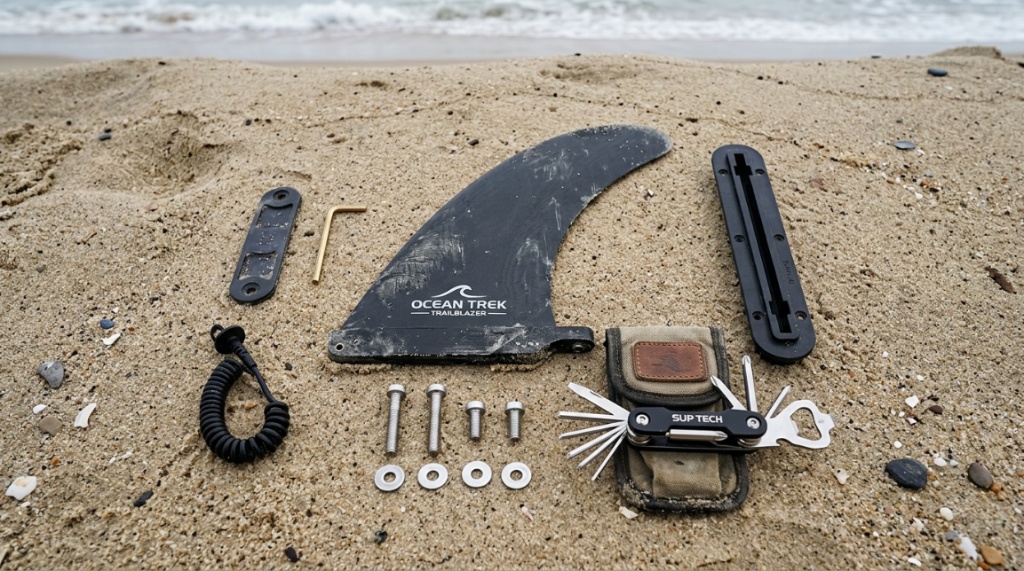
Fin 1: 8-inch straight touring fin for long distances. Fin 2: 5-inch swept-back fin for rivers and waves. This covers 90% of Florida paddling. You don’t need a 10-fin collection unless you are a competitive racer.
When a Single Fin Kit Is Enough
If you only paddle one spot, such as a calm spring or a specific beach, a single tailored fin might suffice. This saves money and eliminates storage issues. Just buy the best quality you can afford.
Signs a Kit’s Fins Are Too Similar
Some kits include fins that are all nearly the same size. This is useless. You want variety. Check the specifications. A 7.5 and 6.5 are too close. Go for a larger spread like 8.0 and 4.5 for distinct conditions.
Which Fin Box Screws Are Strongest?
The screw is the heart of the fin system. A stainless steel #10-32 machine screw is standard. Avoid self-tapping screws that can strip the threads in the fin box. A nylon washer under the screw head helps prevent over-tightening cracks.
Stainless vs. Brass Bolts
Stainless offers better corrosion resistance. Brass is softer and less likely to gall, but it wears out faster. For Florida, go with 316 marine-grade stainless steel. It’s more expensive but will last decades.
Why Over-Tightening Breaks Fins
Cranking the screw too tight compresses the fin base, causing it to crack over time. Tighten until it’s snug, then back off an 1/8 turn. Use a hand screwdriver, not a drill. This simple habit extends fin life dramatically.
Tool-Free Systems: Worth the Risk?
Tool-free tabs are convenient but can break if you hit a rock at speed. If you go this route, ensure the tab is recessed and protected. If the tab sticks out, it’s a liability. A regular screw is actually the more durable choice.
How to Maintain Your Fin Kit to Last Longer
Rinse with fresh water after every salt session. Dry completely before storing. Apply a light coat of silicone spray to the screw threads. Check for hairline cracks after hitting a sandbar. Simple care doubles the lifespan of even a cheap kit.
The 5-Minute Monthly Checkup
Remove the fin and inspect the base. Look for white stress lines. Spin the screw in your fingers to feel for roughness. Wipe the fin with a UV protectant (like 303 Aerospace). This takes five minutes and prevents mid-session failures.
Storing Your Fins Properly
Never stack heavy objects on your fins. Store them flat in a padded bag. Heat from a car trunk can warp nylon. Take them inside if you can. Extreme temperature changes make plastic brittle.
Signs of UV Degradation
If the fin looks chalky or faded, the structure is weakening. A chalky fin is losing its flexibility. Replace it before it snaps. UV damage is a silent killer, especially after two seasons of full sun exposure.
How Much Should You Spend on a Durable Kit?
Expect to pay between $60 and $150 for a quality two-fin kit. Anything less than $40 is likely junk that won’t last a season. More than $200 usually includes premium carbon that’s overkill for general paddling. The value sweet spot is $75–$120.
Cost vs. Performance Trade-offs
A $40 nylon fin will work flatwater. But after one oyster scrape, it’s trashed. A $120 composite fin might survive the same scrape with a scratch. Consider the replacement cost over 3 years. The expensive fin is often cheaper in the long run.
Where to Buy for Better Prices
Local surf shops often have last year’s models for less. Online retailers have sales during the off-season. Check if your board manufacturer sells directly—they often have lower prices than resellers. Buy during fall for the best deals.
If you’re looking for a curated selection that balances price and longevity, you can check a list of the top budget options. Paddlers frequently recommend a durable SUP fin kit Florida tested by locals, which is a great starting point before making your final decision.
Warranty Considerations
Some brands offer a 1-year breakage warranty. This is rare but invaluable. If a fin breaks during normal use and they replace it, you’ve saved money. Read the warranty terms. “Impact damage” is usually excluded, but manufacturing defects are not.
Is a Cheaper Fin Really That Bad for Occasional Paddlers?
For a once-a-month paddler, a cheap fin might be fine. But for anyone paddling weekly in Florida, cheap fins fail. The issue is that a broken fin can leave you stranded or damage your fin box. That repair costs more than a good fin.
The Risk of a Broken Fin Offshore
If you’re a mile offshore and your fin snaps, you lose tracking. You’ll be fighting the wind. This is dangerous. The paddle becomes rudderless. A durable fin is a safety item, not just a performance one.
How Often to Replace Fins
With proper care, a good nylon fin lasts 3-5 years. Fiberglass lasts longer but needs more caution. Carbon can last a decade. Replace immediately if you see deep cuts or if it feels soft when flexing.
Beginner Mistakes to Avoid
Don’t buy a 10-inch fin “for speed” if you paddle in mangroves. Don’t over-tighten. Don’t leave the fin in the board under a hot van. These simple errors cause more breakage than bad materials.
Frequently Asked Questions
What is the most durable fin material for saltwater?
Injection-molded nylon with UV stabilizers is the most durable for general use. It flexes under impact and resists salt corrosion. Carbon is stronger but more brittle on hard strikes.
Can I use a broken fin as a temporary fix?
Only if it’s a cosmetic crack. If the fin has lost stiffness or has a jagged edge, do not use it. It could break further and damage the fin box, costing you hundreds in repairs.
How tight should the fin screw be on a paddleboard?
Tighten until it’s snug, then give it a quarter turn more. Do not force it. Use Loctite (blue) on the threads to prevent vibration loosening without over-tightening.
Are longer fins more durable?
No. Longer fins have a larger lever arm, so they experience more torque at the base. A shorter fin is often stronger at the connection point. Choose length for function, not durability.
Should I get a fin kit with a warranty?
Yes, if the warranty covers manufacturing defects. It shows the company trusts its product. Avoid kits without any warranty, as they are often low-quality imports.
Can I leave the fin in the board between sessions?
Yes, but rinse the screw and base with fresh water. Leaving it in avoids cross-threading from repeated installation. Just ensure it’s dry to prevent corrosion.
What is the cheapest way to test a fin kit?
Buy a single US box fin, not a whole kit. Test it for a month. If it works, buy the second fin to complete your setup. This saves money if you don’t like the feel.
Conclusion
Choosing a durable SUP fin kit Florida paddlers rely on comes down to material, connection, and matching your local waters. Don’t be fooled by low prices. Give your board the setup it deserves, and it will reward you with thousands of carefree miles. Start with a quality nylon composite fin around 7 inches for the best balance. Rinse it, store it flat, and check the screw monthly. Then get back on the water with confidence.
If you’re still unsure, do a little research on the gear other East Coast paddlers use. Upgrade your kit today and feel the difference on your very next paddle.