
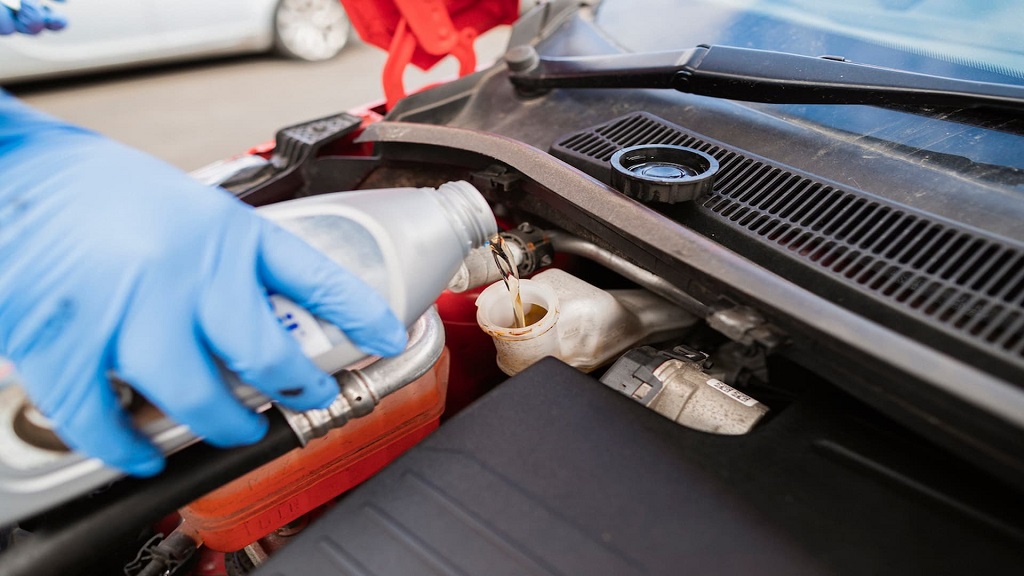
Most car owners religiously change their engine oil, rotate their tires, and replace their brake pads when needed. But how often do you think about your brake fluid? This essential hydraulic fluid plays a critical role in ensuring your vehicle stops effectively. Yet, many drivers overlook the importance of regular brake fluid flushes, often unaware of the risks posed by contaminated or degraded brake fluid.
Brake fluid doesn’t last forever. Over time, it absorbs moisture from the air, reducing its effectiveness and potentially causing brake failure. Without proper maintenance, your car’s braking system can become sluggish, increasing stopping distances and putting you at risk. In this article, we’ll explore why a brake fluid flush is vital, how often you should do it, and what happens if you ignore this critical maintenance step.
If you’re serious about keeping your car in top shape, make sure to explore Auto Nags for expert automotive tips and insights.
What is Brake Fluid and Why is It So Important?
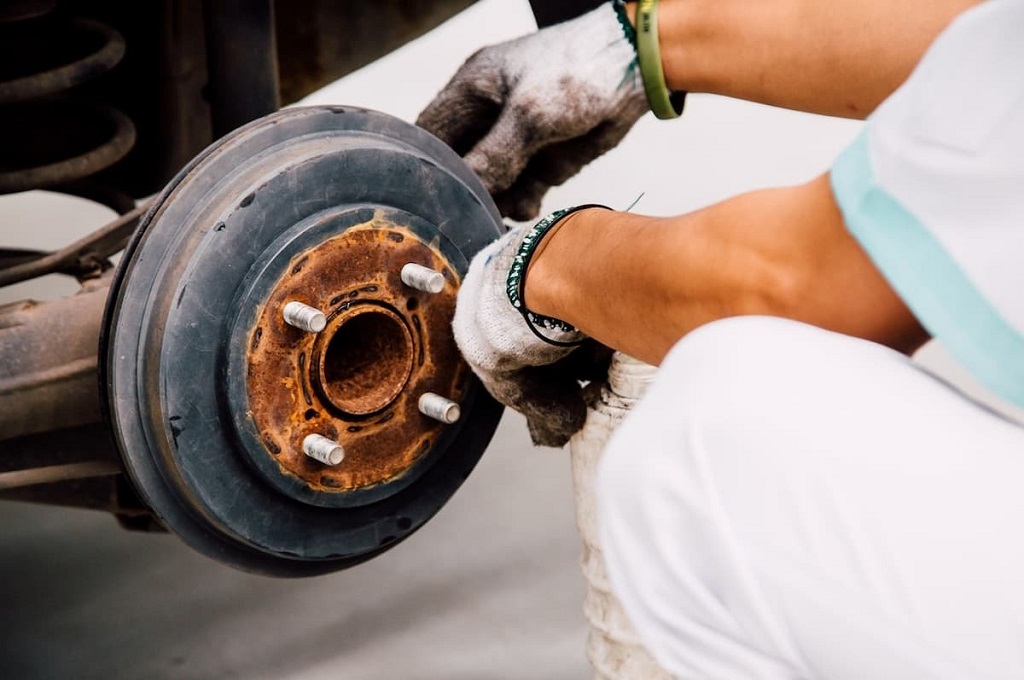
Brake fluid is a specially formulated hydraulic liquid that transfers the force from your brake pedal to the brake calipers or wheel cylinders. When you press the brake pedal, the fluid compresses and multiplies the force, allowing your car to stop efficiently.
Types of Brake Fluid
There are different types of brake fluid, classified mainly by their boiling points:
- DOT 3 – Common in older cars; absorbs moisture quickly.
- DOT 4 – Used in most modern vehicles; has a higher boiling point than DOT 3.
- DOT 5 – A silicone-based fluid that does not absorb moisture, often used in military and high-performance vehicles.
- DOT 5.1 – A non-silicone version with an even higher boiling point, ideal for heavy braking conditions.
How Brake Fluid Degrades Over Time
Brake fluid is hygroscopic, meaning it absorbs moisture from the air. This reduces its boiling point, leading to decreased braking efficiency. Contaminated fluid can also corrode metal components in your braking system, leading to expensive repairs.
Why Modern Cars Demand Regular Brake Fluid Flushes
Modern vehicles come equipped with advanced braking technologies such as ABS (Anti-lock Braking System) and EBD (Electronic Brakeforce Distribution). These systems rely on clean, high-quality brake fluid to function correctly. When moisture and contaminants enter the system, they can interfere with these advanced braking features, leading to unpredictable braking performance.
A study by AAA found that nearly 18% of cars on the road have contaminated brake fluid that could lead to brake failure in emergency situations. This alarming statistic underscores the importance of regular brake fluid maintenance.
This is especially important when comparing older and newer car models. Just like understanding why vintage cars are expensive, knowing how modern cars require advanced brake maintenance can affect their long-term value.
How Often Should You Flush Your Brake Fluid?
The recommended interval for a brake fluid flush varies by manufacturer. However, a general rule of thumb is:
- Every 2 years or 30,000 miles for most vehicles.
- More frequently if you drive in humid conditions, tow heavy loads, or engage in high-performance driving.
Ignoring these intervals can lead to moisture buildup, corrosion, and brake system malfunctions.
The Consequences of Skipping a Brake Fluid Flush
Many car owners wonder if skipping a brake fluid flush is really a big deal. Here’s what can happen if you neglect this maintenance:
Decreased Braking Performance
Old brake fluid lowers the system’s boiling point, leading to brake fade—where the brakes feel spongy and become less responsive.
Increased Stopping Distance
Dirty or moisture-laden brake fluid reduces the hydraulic efficiency of your brakes, increasing stopping distances and reducing reaction time in emergencies.
ABS and Traction Control Failures
Advanced braking systems rely on precise hydraulic pressure. Contaminated brake fluid can cause malfunctions in ABS and traction control, leading to unsafe driving conditions.
Expensive Repairs
Neglecting a brake fluid flush can lead to corroded brake lines, damaged calipers, and even a failed master cylinder. These repairs can cost upwards of $1,000, whereas a brake fluid flush typically costs between $80-$150.
Brake Fluid Flush vs. Brake Bleeding: What’s the Difference?
Many drivers confuse a brake fluid flush with brake bleeding, but they serve different purposes:
| Service | Purpose | When to Do It? |
| Brake Fluid Flush | Replaces all old fluid with new fluid to remove contaminants and moisture. | Every 2 years or 30,000 miles. |
| Brake Bleeding | Removes air bubbles from the brake lines for firm pedal feel. | When air is trapped in the brake system. |
A flush is a complete replacement of fluid, whereas bleeding is a partial removal of air pockets.
Signs That Your Car Needs a Brake Fluid Flush
Even if you follow manufacturer recommendations, you should watch for these warning signs:
- Spongy or soft brake pedal – Indicates air or moisture in the brake lines.
- Brake warning light on the dashboard – May signal low or contaminated fluid.
- Burnt or dark-colored brake fluid – Fresh fluid is usually clear to light amber; dark fluid signals contamination.
- Unusual braking noises – Contaminated fluid can affect the braking system’s efficiency.
If you notice any of these symptoms, schedule a brake fluid flush immediately.
How Brake Fluid Flushes Impact Vehicle Resale Value
Proper maintenance, including regular brake fluid flushes, can positively impact your car’s resale value. Buyers often request service records, and a well-maintained brake system reassures them of the vehicle’s safety and reliability.
DIY vs. Professional Brake Fluid Flush: Which is Better?
A DIY brake fluid flush can be done with the right tools, but it comes with risks. Professional technicians use specialized equipment to ensure complete fluid removal and refill.
Pros and Cons of DIY Brake Fluid Flush
| Factor | DIY Approach | Professional Service |
| Cost | Cheaper (around $40-$60 for supplies) | More expensive ($80-$150) |
| Risk of Error | High (air bubbles, contamination) | Low (experienced mechanics) |
| Time Required | 1-2 hours | 30-45 minutes |
| Effectiveness | Varies based on skill level | Guaranteed thorough flush |
Unless you have experience with brake systems, it’s usually best to let a professional handle this task.
Final Thoughts
Brake fluid flushes are one of the most overlooked yet essential aspects of vehicle maintenance. Neglecting this service can lead to reduced braking efficiency, expensive repairs, and even life-threatening situations. Given that a simple flush costs a fraction of what a brake system repair would, there’s no reason to delay this crucial maintenance step.
Regularly checking and flushing your brake fluid ensures that your car’s braking system remains in peak condition, providing maximum safety for you and your passengers. So, the next time you’re in for routine maintenance, don’t forget to ask your mechanic about a brake fluid flush—it could save your life.
Read More Also: How to Avoid ‘Foot Drag’ When Pushing a Skateboard
Frequently Asked Questions
What happens if you don’t flush your brake fluid?
Over time, moisture buildup reduces braking efficiency, causes corrosion, and increases the risk of brake failure.
How can I tell if my brake fluid is bad?
Check the fluid color—it should be clear to light amber. Dark or murky fluid signals contamination.
Can I mix different types of brake fluid?
No, mixing brake fluids with different compositions (like DOT 3 and DOT 5) can damage the braking system.
Is a brake fluid flush necessary if my car has ABS?
Yes, ABS relies on clean fluid to function properly. Contaminated fluid can cause ABS failure.
How long does a brake fluid flush take?
A professional brake fluid flush typically takes 30-45 minutes.
Can I flush my brake fluid at home?
While possible, DIY brake fluid flushes carry risks. A professional service ensures thorough and safe replacement.