
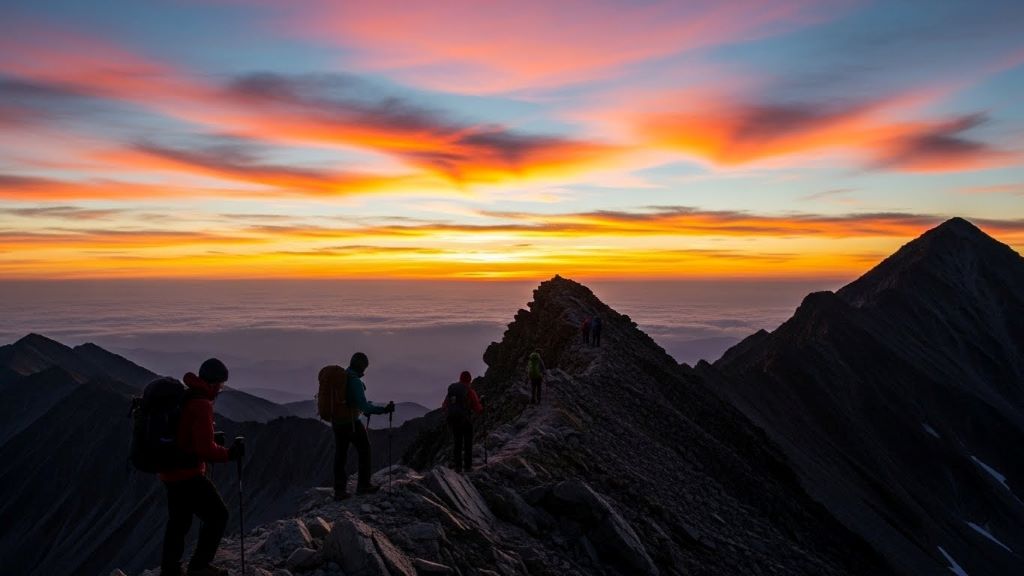
Witnessing the sunrise from a ridgewalk offers one of nature’s most breathtaking displays. The phenomenon of color scattering transforms the sky into a canvas of oranges, pinks, and purples. For outdoor enthusiasts and photography lovers, discovering the perfect vantage point becomes essential. New York Big Event highlights some of the most spectacular ridgewalks where atmospheric conditions create unforgettable sunrise experiences.
The magic of sunrise color scattering happens when sunlight passes through Earth’s atmosphere at a low angle. Short wavelength blue light scatters away, while longer wavelength reds and oranges dominate the sky. Ridge locations amplify this effect beautifully. Elevated positions provide unobstructed views of the horizon, allowing observers to witness the full spectrum of atmospheric optics.
Many nature lovers combine their passion for early morning views with hiking in the park, creating memorable adventures that blend physical activity with natural beauty. Additionally, the cooler morning temperatures make ridge hiking more comfortable than midday treks. The stillness of dawn adds a meditative quality to the experience.
Understanding Sunrise Color Scattering Science
Rayleigh scattering explains why we see such vivid colors at sunrise. When the sun sits near the horizon, light travels through more atmosphere than at midday. This extended path allows atmospheric particles to scatter blue wavelengths extensively. Consequently, warm tones reach our eyes more directly.
However, atmospheric conditions significantly affect color intensity. Humidity, dust particles, and pollution levels all influence the display. Clean air after rain often produces the most vibrant results. Temperature inversions can create distinct layering effects that enhance the visual drama.
Furthermore, altitude plays a crucial role in color saturation. Ridge positions above valley fog offer spectacular views of color gradients. The contrast between illuminated upper atmosphere and shadowed valleys below creates depth. This elevation advantage makes ridgewalks superior to flat terrain viewing spots.
Top Features of Ideal Ridgewalk Locations
Selecting the perfect ridgewalk requires considering several key factors. Eastern exposure ensures direct views of the rising sun. Unobstructed horizons prevent trees or buildings from blocking critical moments. Open ridge lines provide 180-degree panoramic views that capture the full sunrise progression.
Trail accessibility matters for early morning visits. Well-maintained paths allow safe navigation in pre-dawn darkness. Moderate elevation gain ensures hikers reach viewpoints without exhaustion. Parking availability near trailheads simplifies logistics for dawn departures.
Additionally, safety considerations become paramount in low-light conditions. Established trails with clear markings reduce navigation risks. Rocky or technical sections require extra caution before full daylight. Many experienced hikers recommend scouting locations during daylight before attempting sunrise visits.
Preparing for Your Sunrise Ridgewalk Adventure
Successful sunrise missions require careful planning and preparation. Therefore, checking weather forecasts becomes essential several days in advance. Clear skies produce the most dramatic color displays. Partly cloudy conditions can create interesting effects as light interacts with cloud formations.
Timing your arrival correctly ensures you catch the pre-dawn “blue hour” and the main event. Arriving 45 minutes before official sunrise time provides optimal positioning. This buffer allows for unexpected delays and setup time for photography equipment.
Equipment needs extend beyond standard hiking gear. Headlamps or flashlights enable safe pre-dawn navigation. Warm layers combat the chill of early morning temperatures, even in summer. A thermos of hot coffee or tea adds comfort while waiting for the show to begin.
Best Seasons for Sunrise Color Viewing
Different seasons offer unique advantages for sunrise observation. Fall and winter generally provide the most intense color displays. Cooler temperatures create crisp, clear air that enhances visibility. Lower humidity levels reduce atmospheric haze that can mute colors.
Spring mornings often feature morning mist in valleys below ridges. This creates ethereal layering effects as sunrise light penetrates fog. However, unpredictable weather patterns can make planning more challenging. Summer offers the most comfortable temperatures but occasionally produces hazy conditions.
According to National Geographic, atmospheric conditions immediately following storm systems often create the most spectacular sunrise colors. The clean air and residual moisture work together to enhance scattering effects. This knowledge helps outdoor enthusiasts time their visits strategically.
Photography Tips for Capturing Sunrise Colors
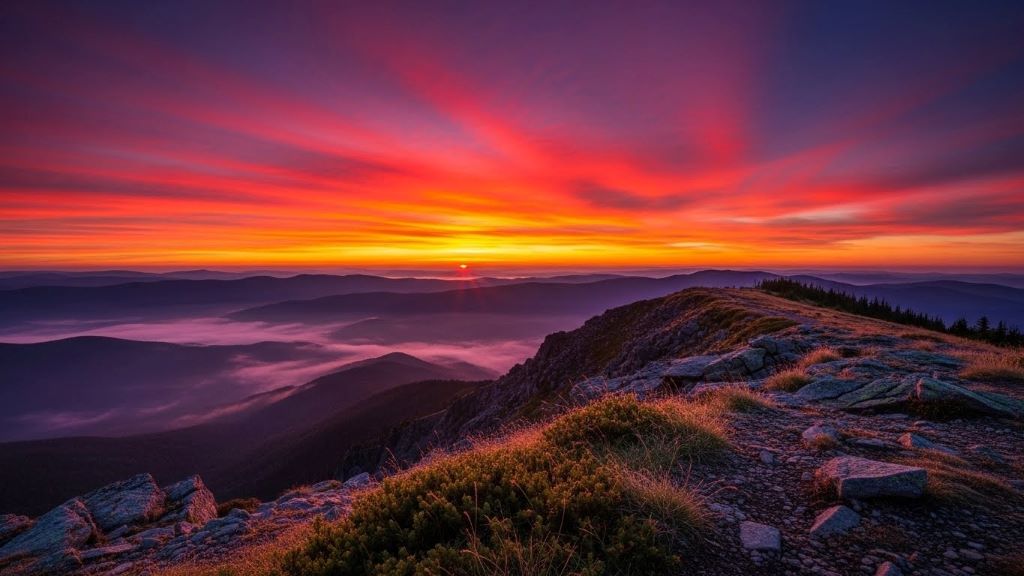
Photographing sunrise color scattering presents exciting creative opportunities. Wide-angle lenses capture expansive sky displays and landscape context. Including foreground elements like trees or rocks adds compositional interest and scale. Silhouettes against colorful skies create dramatic effects.
Exposure settings require careful attention in rapidly changing light. Bracketing exposures ensures capturing the full dynamic range. Starting with underexposure often preserves rich color saturation in the sky. Gradually adjusting as light increases prevents blown highlights.
Moreover, tripods stabilize cameras during longer exposures in dim conditions. Remote shutter releases eliminate camera shake for maximum sharpness. Many photographers shoot in RAW format to maximize post-processing flexibility. This allows fine-tuning of color balance and exposure after the fact.
Wildlife Encounters During Dawn Ridgewalks
Early morning ridgewalks often reward hikers with wildlife sightings. Many animals remain active during dawn hours before human activity increases. Deer frequently graze in meadows near ridge trails. Birds begin their morning songs, creating a natural soundtrack.
Respecting wildlife requires maintaining appropriate distances and minimizing disturbance. Binoculars allow observation without intrusion. Quiet movement helps prevent startling animals. Never feed wildlife, as this disrupts natural behaviors and creates dependency.
Additionally, awareness of local fauna enhances safety. Understanding which animals inhabit the area prevents surprises. Some regions require bear awareness or other specific precautions. Local park services provide valuable information about seasonal wildlife patterns.
Environmental Considerations and Conservation
Practicing leave-no-trace principles preserves ridgewalk environments for future visitors. Staying on established trails prevents erosion and vegetation damage. Carrying out all trash maintains the pristine quality of natural areas. Respecting posted regulations ensures continued public access.
Peak viewing locations can experience significant visitor impact during popular seasons. Arriving early secures prime spots while distributing use throughout morning hours. Consider exploring lesser-known ridgewalks to reduce pressure on popular destinations. This exploration often reveals hidden gems with equally impressive views.
Furthermore, supporting conservation organizations helps protect these natural treasures. Many ridgewalks exist within protected parks requiring ongoing maintenance and stewardship. Donations and volunteer work contribute directly to trail preservation. Advocating for land conservation ensures future generations can enjoy these experiences.
Social Aspects of Sunrise Ridge Hiking
Sharing sunrise experiences creates meaningful social connections. Many hiking clubs organize regular dawn outings that build community. The shared commitment of early rising bonds participants through common dedication. Post-hike breakfasts extend the social experience beyond the trail.
However, some visitors prefer solitary contemplation during sunrise viewing. Respecting personal space and maintaining quiet enhances everyone’s experience. Photography etiquette includes not blocking others’ views or using intrusive lighting. These considerations ensure harmonious coexistence at popular viewpoints.
Social media has increased awareness of spectacular sunrise locations. While sharing inspires others to explore nature, geotagging can lead to overuse. Consider describing general regions rather than exact coordinates. This balance promotes conservation while encouraging outdoor recreation.
Health Benefits of Early Morning Ridge Hiking
Starting the day with sunrise hiking provides numerous physical and mental health benefits. Morning exercise jumpstarts metabolism and energy levels for the entire day. Fresh air and natural light exposure regulate circadian rhythms and improve sleep quality. The moderate cardiovascular workout strengthens heart and lung function.
Mental health benefits prove equally significant. Natural environments reduce stress hormones and promote relaxation. The accomplishment of completing an early morning hike builds confidence and discipline. Mindful observation of natural beauty provides meditation-like mental clarity.
According to research published by Harvard Health, regular outdoor exercise in natural settings significantly improves mood and reduces anxiety symptoms. The combination of physical activity and nature exposure creates synergistic benefits. This makes sunrise ridgewalks an excellent holistic wellness practice.
Conclusion
Experiencing sunrise color scattering from park ridgewalks offers unmatched natural beauty and personal rewards. The science behind atmospheric color displays enhances appreciation of these daily transformations. Proper planning, equipment, and environmental consciousness ensure safe and responsible enjoyment. Whether seeking photographic opportunities, physical fitness, or spiritual renewal, sunrise ridgewalks deliver profound experiences. The combination of elevated perspectives, clean morning air, and nature’s light show creates memories that inspire repeated visits throughout changing seasons.
Frequently Asked Questions
What time should I arrive for the best sunrise colors?
Arrive 45 minutes before official sunrise time to catch the pre-dawn blue hour and position yourself properly. This timing ensures you witness the full color progression as atmospheric conditions change with increasing light.
Do I need special equipment for sunrise ridgewalks?
Essential items include a reliable headlamp, warm layers, sturdy hiking boots, and water. For photography, bring a tripod and extra batteries, as cold temperatures drain power quickly.
Which season offers the best sunrise color displays?
Fall and winter typically produce the most vibrant sunrise colors due to clearer, drier air. However, spring and summer offer comfortable temperatures and unique atmospheric conditions worth experiencing.
How can I find safe ridgewalk trails for sunrise viewing?
Research trails through official park websites and hiking apps that provide difficulty ratings and user reviews. Scout locations during daylight hours before attempting pre-dawn visits to assess trail conditions.
What weather conditions create the most dramatic sunrise colors?
Clear skies following recent rain or storms produce the most intense colors. Light cloud cover can enhance displays, while heavy overcast typically mutes color intensity significantly.
Related Topics: