The 1940s marked a pivotal decade in women’s fashion history. World War II brought rationing and material shortages that reshaped footwear choices. Women adapted their style while maintaining elegance during challenging times. The Styline Collection celebrates this era’s timeless fashion legacy through carefully curated vintage-inspired pieces.
During this period, footwear became more than just a fashion statement. It reflected resourcefulness and creativity. Women needed shoes that were practical yet stylish. The debate between fabric and leather shoes emerged as a central consideration for everyday wear.
Understanding what type of shoes did the women wear in the 1940s requires examining the materials available during wartime. Leather became scarce due to military needs. Therefore, manufacturers turned to alternative materials like canvas, felt, and cork. This shift created distinct differences in style, durability, and accessibility between fabric and leather options.
The Rise of Fabric Shoes During Wartime
Fabric shoes gained tremendous popularity throughout the 1940s. Rationing made leather a luxury item. Women embraced canvas, rayon, and cotton alternatives with enthusiasm. These materials offered surprising versatility for everyday wear.
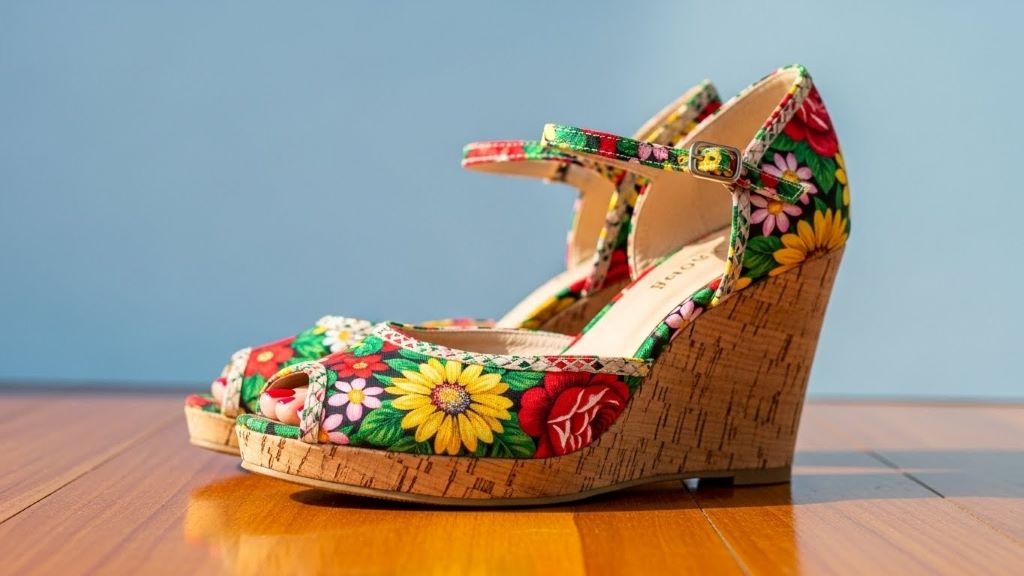
Canvas wedges became iconic during this era. They featured colorful patterns and playful designs. Many women appreciated their lightweight comfort. Additionally, fabric shoes required less maintenance than leather counterparts. This practical advantage appealed to working women who had limited time.
The textile industry rose to meet demand. Manufacturers experimented with different weaves and treatments. Some fabrics received water-resistant coatings. Others featured reinforced toes for added durability. These innovations helped fabric shoes compete with traditional leather options.
However, fabric shoes had notable limitations. They wore out faster than leather. Rain and moisture caused damage easily. Women often needed multiple pairs throughout the year. Despite these drawbacks, fabric shoes remained affordable and accessible.
Leather Shoes: The Premium Choice
Leather shoes retained their status as premium footwear. They symbolized quality and sophistication. However, wartime restrictions made them harder to obtain. Women who owned leather shoes treasured them carefully.
The durability of leather proved unmatched. Proper care could extend a pair’s life for years. Leather naturally resisted water better than fabric. It also molded to the wearer’s foot over time, providing customized comfort.
According to fashion historians at the Victoria and Albert Museum, leather shoes remained the preferred choice for formal occasions. Women saved their leather pumps for church, dates, and special events. The material’s elegance elevated any outfit instantly.
Cobblers became essential community members during the 1940s. They repaired worn leather shoes repeatedly. Resoling and patching extended shoe life significantly. This practice reflected the era’s make-do-and-mend mentality.
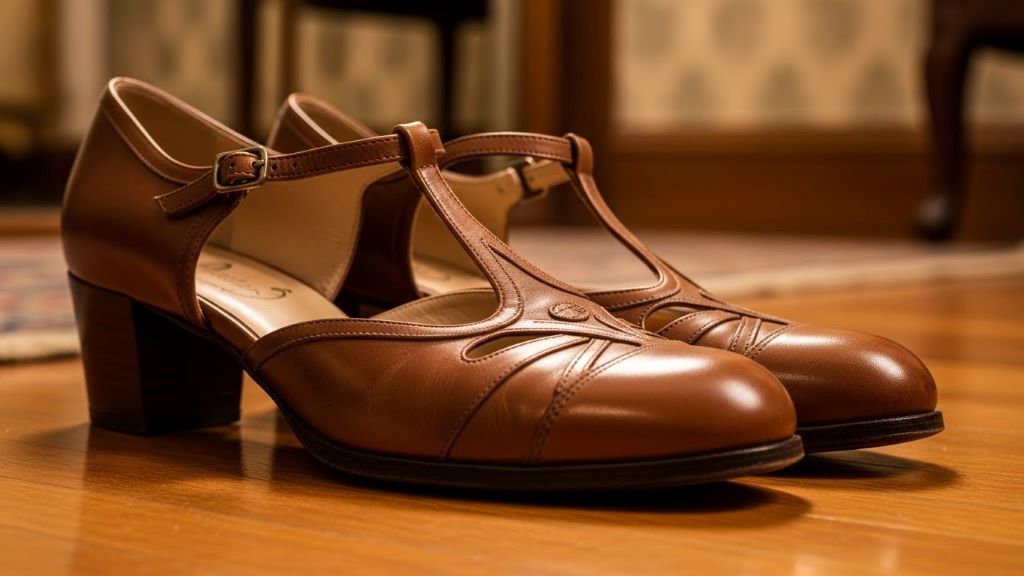
Leather shoes came in various styles. T-strap pumps dominated dress occasions. Oxford shoes suited professional settings. Ankle boots provided warmth during winter months. Each style served specific purposes in a woman’s wardrobe.
Style Differences Between Materials
Fabric and leather shoes developed distinct aesthetic identities. Fabric options embraced playful, colorful designs. Floral prints, stripes, and polka dots adorned canvas uppers. These patterns brought cheer during difficult times.
Leather shoes maintained classic elegance. Brown, black, and burgundy remained standard colors. Simple lines and minimal decoration defined leather styles. The material’s natural beauty needed little embellishment.
Wedge heels worked well with both materials. Cork wedges paired perfectly with fabric uppers. Leather wedges offered more structured support. Platform soles gained popularity across both categories.
Peep-toe designs emerged in both fabric and leather versions. This flirty style showed just a hint of toe. Women considered peep-toes slightly daring yet acceptable. They bridged the gap between casual and dressy footwear.
Slingback styles appeared frequently in leather. The open heel design used less material. This efficiency made slingbacks more available during rationing. Fabric slingbacks existed but were less common.
Practical Considerations for Daily Wear
Women evaluated shoes based on multiple practical factors. Comfort ranked highly for those working in factories. Durability mattered for limited budgets. Weather resistance influenced seasonal choices.
Fabric shoes excelled in warm weather. They allowed feet to breathe naturally. However, they offered little protection in rain or snow. Women often kept backup pairs at work.
Leather shoes handled diverse weather conditions better. They provided warmth in winter months. The material protected against light rain effectively. Nevertheless, excessive moisture still caused damage.
Price differences significantly affected purchasing decisions. Fabric shoes cost considerably less than leather. A woman could buy two or three fabric pairs for one leather pair’s price. This economic reality shaped many wardrobes.
Maintenance requirements varied dramatically. Fabric shoes needed frequent cleaning and careful storage. Leather required regular polishing and conditioning. Both materials benefited from proper shoe trees and rotation.
The Social Context of Shoe Choices
Shoe choices reflected social class and economic status. Wealthy women maintained leather shoe collections despite rationing. They had connections to secure scarce materials. Middle-class women mixed leather and fabric options strategically.
Working-class women relied primarily on fabric shoes. They prioritized affordability and practicality. However, many saved for one good leather pair. This investment represented financial planning and social aspiration.
The Smithsonian Magazine notes that women’s magazines provided shoe care tips regularly. Articles taught readers to maximize their footwear’s lifespan. This guidance helped women navigate material shortages successfully.
Regional differences influenced shoe preferences too. Urban women accessed more style variety. Rural communities relied on practical, durable options. Climate also played a role in material selection.
Legacy and Modern Perspective
The 1940s footwear innovations left lasting impacts. Today’s designers draw inspiration from this era regularly. Wedge heels remain wardrobe staples. Peep-toe styles cycle through fashion trends repeatedly.
Modern materials blend the best of both worlds. Synthetic fabrics offer water resistance and durability. Treated leathers provide easier maintenance. Contemporary shoes deliver comfort technologies unknown in the 1940s.
Vintage shoe collectors prize authentic 1940s pieces. Well-preserved leather shoes command premium prices. Fabric shoes from this era rarely survive in wearable condition. This rarity makes them valuable collector’s items.
Fashion historians study 1940s shoes to understand wartime adaptation. The era demonstrates human creativity under constraint. Women maintained style and dignity despite significant challenges. Their resourcefulness offers lessons for sustainable fashion today.
Conclusion
The fabric versus leather shoe debate of the 1940s reflected broader wartime realities. Women navigated material shortages with remarkable adaptability. Fabric shoes provided affordable, colorful alternatives to leather. Leather shoes maintained their status as durable, elegant investments.
Each material offered distinct advantages and limitations. Fabric excelled in affordability and summer comfort. Leather delivered unmatched durability and weather resistance. Women often maintained small collections combining both materials strategically.
This era transformed footwear design permanently. Innovations born from necessity influenced future generations. Today’s shoe industry still benefits from 1940s creativity. Understanding this history enriches our appreciation for vintage fashion’s enduring appeal.
Frequently Asked Questions
What were the most popular shoe styles for women in the 1940s?
The most popular styles included wedge heels, platform soles, T-strap pumps, and peep-toe designs. Women also wore Oxford shoes for professional settings and ankle boots during colder months. Slingback styles became common due to material rationing.
Why did fabric shoes become more common during the 1940s?
Leather was rationed during World War II for military use. Shoe manufacturers turned to alternative materials like canvas, felt, and rayon. These fabric options became widely available and affordable, making them practical choices for everyday wear.
How did women care for their shoes during the 1940s?
Women took excellent care of their limited shoe collections. They polished leather shoes regularly, used shoe trees to maintain shape, and visited cobblers for repairs. Fabric shoes were cleaned carefully and stored properly to extend their lifespan.
Were fabric shoes considered fashionable or just practical?
Fabric shoes were both fashionable and practical. Manufacturers created attractive designs with colorful patterns and playful details. Women embraced these styles enthusiastically, making fabric shoes a legitimate fashion choice rather than just a wartime compromise.
How much did shoes cost in the 1940s?
Shoe prices varied by material and quality. Fabric shoes typically cost between two to five dollars. Leather shoes ranged from five to ten dollars or more. These prices represented significant investments considering average wages were much lower than today.
Related Topics:
Finding the Perfect Wide Baby Shoes: Comfort First for Little Feet
Best Skate Shoe Brands Ranked: From Classics to New Favorites