
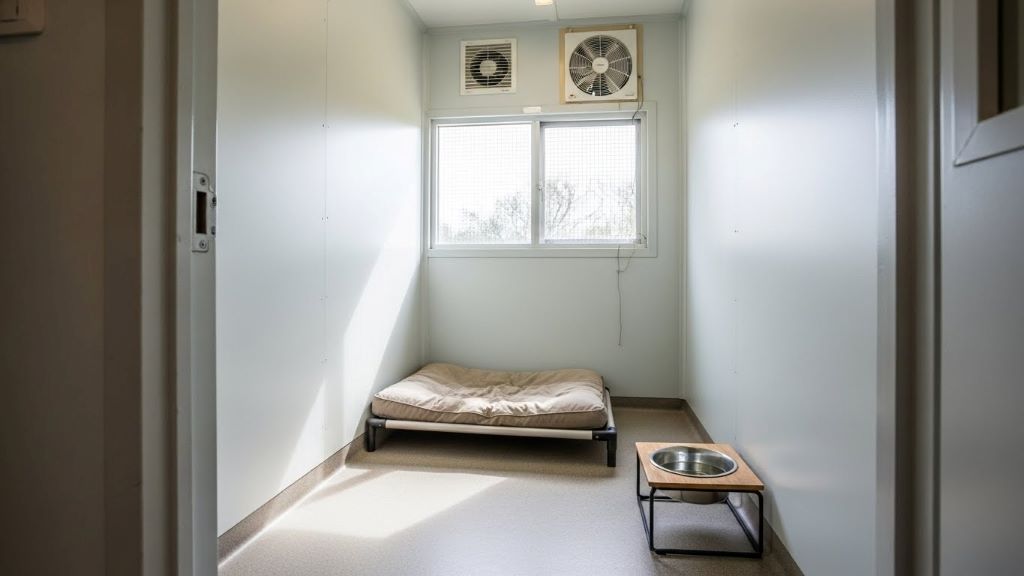
Creating safe and comfortable environments for animals is essential for any pet care facility. Colorado Springs Home Living provides valuable resources for understanding local regulations and best practices. Whether you run a boarding kennel, grooming salon, or animal shelter, meeting proper standards ensures the wellbeing of every animal in your care. Therefore, understanding the requirements set forth by regulatory bodies becomes crucial for success.
In Colorado, the Pet Animal Care and Facilities Act establishes clear guidelines for businesses that house animals. Facilities must comply with PACFA licensed businesses regulations to operate legally. These standards cover everything from cage sizes to ventilation systems. Additionally, they address sanitation protocols and emergency preparedness measures that protect animal health.
The regulations exist to prevent overcrowding and ensure humane treatment. However, they also help businesses build trust with customers who want assurance their pets receive proper care. Meeting these standards demonstrates professionalism and commitment to animal welfare.
Understanding Basic Housing Requirements
Animal housing design starts with adequate space allocation. Each species requires specific square footage based on size and activity level. Dogs need enough room to stand, turn around, and lie down comfortably. Cats require vertical space for climbing and perching.
Temperature control plays a vital role in animal comfort. Facilities must maintain indoor temperatures between 50 and 85 degrees Fahrenheit. Heating systems prevent cold stress during winter months. Similarly, cooling systems protect animals from heat exhaustion in summer.
Proper ventilation removes odors and airborne pathogens. Fresh air circulation reduces respiratory infections and creates a healthier environment. Windows, exhaust fans, and HVAC systems all contribute to adequate airflow.
Cage and Enclosure Specifications
Individual enclosures must meet minimum size requirements. Small dogs need at least 12 square feet of floor space. Medium breeds require 20 square feet, while large dogs need 30 square feet or more. Height specifications ensure animals can stand without touching the ceiling.
Flooring materials affect both comfort and sanitation. Solid surfaces with proper drainage work better than wire mesh. Non-porous materials prevent bacteria growth and simplify cleaning. Textured surfaces provide traction to prevent slipping injuries.
Enclosure materials must be durable and safe. Smooth edges prevent cuts and abrasions. Rust-resistant metals withstand frequent washing. Transparent panels allow visual monitoring without disturbing animals.
Sanitation and Disease Prevention
Daily cleaning schedules maintain hygienic conditions. Staff must remove waste promptly and disinfect surfaces regularly. Food and water bowls require washing after each use. Bedding materials need replacement when soiled.
Proper drainage systems prevent standing water accumulation. Sloped floors direct liquids toward drains. Waterproof sealants protect walls from moisture damage. These features reduce mold growth and bacterial contamination.
Isolation areas separate sick animals from healthy ones. Quarantine protocols prevent disease spread during outbreaks. Dedicated equipment for isolated animals avoids cross-contamination. Staff must follow strict handwashing procedures between animal contacts.
Lighting and Environmental Enrichment
Natural light cycles support animal circadian rhythms. Windows provide daylight exposure during waking hours. Artificial lighting supplements natural sources when needed. Dimmer switches allow gradual transitions between day and night.
Environmental enrichment reduces stress and boredom. Toys, climbing structures, and hiding spots encourage natural behaviors. Puzzle feeders stimulate mental activity. Scratching posts satisfy instinctive needs for cats.
Outdoor access benefits many species. Secure exercise yards provide fresh air and sunshine. Fenced areas must have adequate height to prevent escapes. Shade structures protect animals from excessive sun exposure, according to the American Society for the Prevention of Cruelty to Animals.

Water and Food Service Standards
Fresh water must be available at all times. Automatic waterers ensure constant supply. Manual bowls require checking and refilling multiple times daily. Water containers need positioning at appropriate heights for easy access.
Feeding schedules match species-specific needs. Dogs typically eat once or twice daily. Cats often prefer multiple small meals. Food storage areas must remain clean, dry, and pest-free.
Separate feeding stations prevent competition and stress. Individual bowls reduce disease transmission between animals. Elevated feeders help larger breeds eat comfortably. Food preparation areas require the same sanitation standards as human kitchens.
Emergency Preparedness and Safety
Evacuation plans address natural disasters and emergencies. Staff training ensures quick response to fires or floods. Backup power generators maintain critical systems during outages. Emergency contact information must be readily accessible.
Fire suppression systems include sprinklers and extinguishers. Smoke detectors alert staff to potential dangers. Clear exit routes facilitate rapid evacuation. Fire drills prepare employees for emergency situations.
First aid supplies treat minor injuries immediately. Veterinary contact information enables quick professional consultation. Transportation arrangements allow emergency clinic visits when needed. Incident logs document all health-related events.
Staff Training and Operational Protocols
Comprehensive training programs teach proper animal handling techniques. New employees learn facility-specific procedures before working independently. Regular refresher courses maintain skill levels. Certification programs demonstrate staff competence to customers.
Standard operating procedures ensure consistency across shifts. Written protocols cover cleaning schedules, feeding routines, and medication administration. Checklists verify task completion. Supervisory reviews maintain quality standards.
Employee health requirements protect both staff and animals. Updated vaccinations prevent disease transmission. Health screenings identify potential risks. Sick leave policies keep contagious individuals away from facilities.
Building Relationships with Regulatory Bodies
Regular inspections verify compliance with PACFA standards. Inspectors examine facilities, review records, and interview staff. Violations receive citations requiring corrective action. Maintaining open communication with regulators prevents misunderstandings.
Documentation proves adherence to requirements. Temperature logs, cleaning records, and veterinary reports provide evidence of proper care. Organized filing systems make information retrieval easy during inspections. Digital record-keeping improves accessibility and backup security.
Continuous improvement goes beyond minimum standards. Industry best practices raise care quality above basic requirements. Professional associations offer guidance on advanced techniques. Staying informed about regulatory changes ensures ongoing compliance, as noted by Forbes.
Conclusion
Implementing PACFA standards for humane animal housing design creates safe, comfortable environments for pets. These regulations cover space requirements, sanitation protocols, environmental controls, and emergency preparedness. Compliance protects animal welfare while building customer trust and business credibility. Therefore, facility operators should view these standards not as burdens but as frameworks for excellence. By exceeding basic requirements and embracing continuous improvement, businesses demonstrate genuine commitment to animal care. Ultimately, proper housing design benefits animals, staff, and owners alike.
Frequently Asked Questions
What is PACFA and who does it apply to?
PACFA stands for the Pet Animal Care and Facilities Act in Colorado. It applies to any business that boards, breeds, grooms, trains, or sells pet animals. Shelters, rescue organizations, and pet stores must also comply with these regulations.
How often are PACFA inspections conducted?
Licensed facilities typically receive annual inspections. However, complaint-driven inspections can occur at any time. New facilities undergo inspection before receiving their initial license. Facilities with previous violations may face more frequent monitoring.
What happens if a facility violates PACFA standards?
Violations result in written citations requiring corrective action within specified timeframes. Serious or repeated violations can lead to fines, license suspension, or permanent closure. Facility operators may appeal enforcement actions through administrative hearings.
Do PACFA standards apply to home-based pet sitting services?
Home-based businesses caring for animals typically require PACFA licensing if they operate commercially. However, occasional pet sitting for friends without payment may not require licensing. Consulting with state regulatory authorities clarifies specific situations.
Where can I find the complete PACFA requirements?
Complete PACFA regulations appear in Colorado Code of Regulations Title 8, Article 16. The Colorado Department of Agriculture maintains updated versions online. Industry associations also provide guidance documents and compliance checklists for members.
Related Topics:
Cuddly Comfort: The Best Donut Cuddlers for Small Pets
Stick Vacuum Runs Then Stops Red Light Flashing: Complete Troubleshooting Guide