
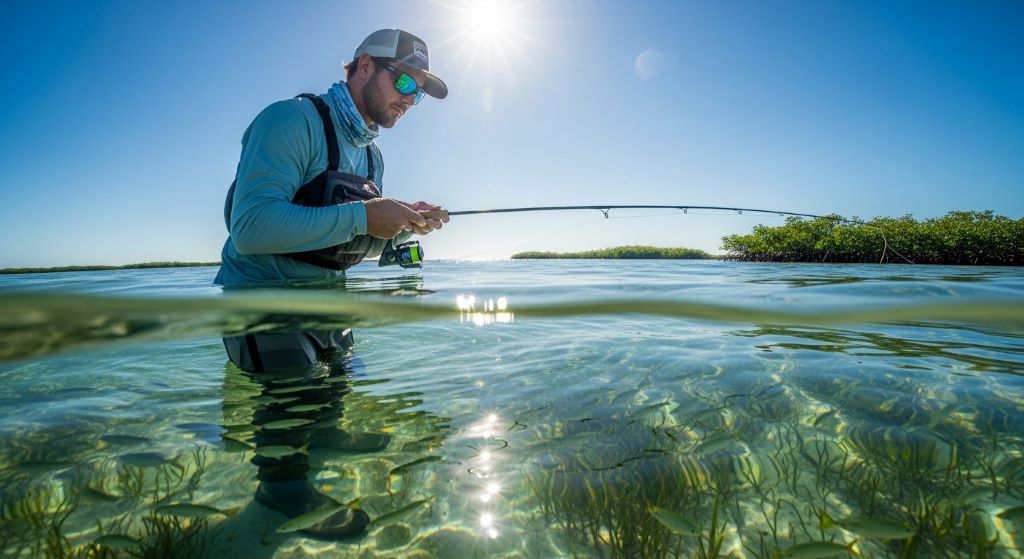
Selecting the right eyewear can transform your fishing experience from frustrating to exceptional. Many anglers underestimate how crucial proper eye protection is for both performance and safety on the water. Whether you’re casting in freshwater streams or battling saltwater giants, the right pair of sunglasses becomes an essential piece of equipment rather than just an accessory.
The fishing sunglasses market has evolved dramatically over recent years. New technologies and materials offer better clarity, durability, and protection than ever before. However, this abundance of options can make choosing the right pair overwhelming. This comprehensive guide will help you navigate through the features that matter most and find sunglasses that enhance your angling success.
Why Fishing Sunglasses Matter More Than You Think
Fishing without proper eyewear puts you at multiple disadvantages. The sun’s reflection off water creates intense glare that not only causes eye strain but also prevents you from seeing beneath the surface. This glare hides fish movements, underwater structures, and changes in water depth that could lead you to productive fishing spots.
Additionally, prolonged exposure to harmful rays damages your eyes over time. Water reflects up to 100 percent of these rays, essentially doubling your exposure compared to land-based activities. This increased exposure accelerates conditions like cataracts and macular degeneration. Therefore, investing in quality eyewear protects both your immediate fishing success and your long-term eye health.
Beyond vision and health benefits, fishing sunglasses shield your eyes from physical hazards. Flying hooks, wind-blown debris, and insects all pose risks when you’re on the water. A sturdy pair of sunglasses acts as a protective barrier against these threats.
Understanding Polarization and Why It Changes Everything
Polarized fishing sunglasses represent one of the most significant advancements in angling equipment. Regular sunglasses simply darken your view, but polarized lenses work differently by filtering light waves. They block horizontal light waves that create glare while allowing vertical waves through, resulting in clear vision through the water’s surface.
This technology lets you spot fish holding in shallows, identify underwater structures, and read water conditions more effectively. You’ll notice baitfish schools, submerged logs, rock formations, and drop-offs that remain invisible without polarization. This advantage helps you make better decisions about where to cast and what techniques to use.
However, not all polarized lenses perform equally. Cheaper versions may offer minimal polarization that barely reduces glare. Quality lenses use advanced film technology that provides consistent polarization across the entire lens surface. When shopping, test sunglasses by looking at reflective surfaces to gauge their effectiveness.
Lens Color Options and What They Mean for Fishing
Lens tint dramatically affects what you see on the water. Different colors enhance various conditions and environments. Understanding these differences helps you choose lenses matched to your typical fishing scenarios.
Gray lenses provide true color perception and work well in bright, sunny conditions. They reduce overall brightness without distorting colors, making them versatile for general use. Many anglers prefer gray for offshore fishing where color recognition of lures and fish matters.
Amber and copper lenses excel in low-light conditions and overcast days. They enhance contrast significantly, making it easier to spot subtle differences in water clarity and structure. These tints work exceptionally well for freshwater fishing in rivers and lakes where you’re reading water constantly.
Green lenses offer a balance between gray and amber properties. They maintain good color recognition while providing contrast enhancement. Many anglers find green lenses comfortable for all-day wear because they cause less eye fatigue than amber tints.
Blue and purple mirror coatings reduce glare in extremely bright conditions. They’re particularly effective for open water fishing where sun reflection is intense. The mirror finish reflects additional light away from your eyes while the base tint handles polarization duties.
Yellow lenses brighten your view in dim conditions like dawn, dusk, or heavily overcast days. They maximize available light but can be too bright for midday fishing in sunny weather. Consider yellow lenses as a specialty option for specific conditions rather than your primary choice.
UV Protection for Anglers and Why It’s Non-Negotiable
Protecting your eyes from ultraviolet radiation should be your top priority when selecting fishing sunglasses. The water environment creates unique challenges because reflected rays hit your eyes from below while direct sunlight comes from above. This dual exposure makes UV protection for anglers absolutely essential.
Look for sunglasses that block 100 percent of UVA and UVB rays. Quality manufacturers clearly state this specification, often labeled as UV400 protection. This rating means the lenses block all light rays with wavelengths up to 400 nanometers, covering the entire UV spectrum.
Don’t assume darker lenses provide better protection. Tint darkness and UV blocking are separate features. In fact, dark lenses without proper UV coating can be more harmful than wearing nothing because your pupils dilate in the darkness, allowing more harmful rays to enter your eyes.
Side shields or wraparound designs prevent rays from entering around the lens edges. Even with excellent front protection, light sneaking in from the sides reduces your overall protection. The best fishing sunglasses curve around your face to create a protective barrier.
Frame Materials and Construction Quality
Frame durability matters significantly for fishing applications. You need eyewear that withstands harsh environments including saltwater spray, extreme temperatures, and rough handling. Different materials offer various advantages depending on your fishing style.
Nylon frames provide excellent flexibility and impact resistance. They bend rather than break when stressed, making them ideal for active fishing where you might sit on them accidentally or knock them around in a boat. High-quality nylon maintains its shape in heat and cold without becoming brittle.
Metal frames, particularly titanium and stainless steel, offer a premium feel with exceptional durability. They resist corrosion in saltwater environments better than cheaper metals. However, metal frames typically cost more and feel heavier than polymer options. Some anglers prefer the secure feel of metal frames, while others find them uncomfortable during long fishing sessions.
Acetate frames combine traditional styling with modern performance. This material allows for vibrant colors and patterns while providing good durability. Acetate works well for anglers who want fashionable sunglasses that perform on the water. However, acetate doesn’t match the pure performance of nylon or the longevity of titanium.
Rubber components on nose pieces and temple tips enhance comfort and grip. These elements prevent sunglasses from sliding when you’re sweating or wet. Look for hydrophobic rubber that repels water rather than absorbing it.

Lens Technology and Advanced Coatings
Modern fishing sunglasses incorporate multiple technologies beyond basic polarization. These additional features enhance performance and extend the life of your investment.
Scratch-resistant coatings protect lens surfaces from damage. Fishing involves many opportunities for scratches, from setting sunglasses down on rough surfaces to storing them in tackle boxes. Quality coatings significantly extend lens life, though no coating makes lenses completely scratch-proof.
Anti-reflective coatings on the inside lens surface reduce distracting reflections from behind you. Without this coating, light bouncing off the back of your lenses can create a mirror effect that interferes with your view. This feature particularly helps on bright days when you’re looking into shadows.
Hydrophobic treatments cause water to bead up and roll off rather than spreading across the lens. This coating keeps your view clear when spray hits your sunglasses or when fishing in rain. Combined with oleophobic treatments that repel oils and fingerprints, these coatings make cleaning easier.
Photochromic lenses automatically adjust their darkness based on light conditions. They darken in bright sunlight and lighten in shade or overcast conditions. While convenient, photochromic technology in polarized lenses costs significantly more and may not change as quickly as you’d like when moving between different light conditions.
Fit and Comfort Considerations
Sunglasses that fit poorly will end up in your tackle box rather than on your face. Comfort during all-day fishing sessions depends on several factors beyond just frame size.
Temple length affects how securely sunglasses sit on your head. Longer temples wrap further around, providing a more secure fit for active fishing. However, temples that are too long create pressure points behind your ears. Adjustable temple tips let you customize the fit.
Nose bridge design determines how weight distributes across your face. A wider bridge spreads weight over more surface area, reducing pressure. Adjustable nose pieces accommodate different nose shapes and sizes. Some anglers prefer keyhole bridges that rest on the sides of the nose rather than the top.
Lens size and coverage affect both peripheral vision and protection. Larger lenses provide better coverage from sun and debris but may feel heavy. Wraparound designs maximize peripheral vision while blocking light from all angles. However, extremely curved lenses can create distortion at the edges.
Weight becomes increasingly important during long fishing days. Lightweight materials reduce fatigue, but extremely light frames may lack the durability needed for fishing applications. Finding the right balance between weight and durability depends on your fishing style and priorities.
Prescription Options for Anglers Who Wear Glasses
Anglers who need vision correction have several options for combining prescription lenses with fishing-specific features. You don’t have to choose between seeing clearly and seeing into the water effectively.
Prescription polarized lenses offer the best optical quality but typically cost significantly more than non-prescription versions. Many manufacturers now offer prescription options in their fishing-specific frames. This approach gives you optimal vision with all the benefits of purpose-built fishing sunglasses.
Fit-over sunglasses work for those who prefer keeping their regular glasses. These oversized sunglasses fit over prescription eyewear, providing polarization and UV protection without requiring a prescription version. While functional, fit-overs feel bulkier and may not seal as well around your face.
Contact lenses combined with non-prescription fishing sunglasses provide another solution. This approach offers maximum flexibility and the best overall experience. However, wearing contacts while fishing presents challenges with water exposure and the inability to easily clean or adjust them on the water.
Clip-on polarized lenses attach to prescription frames, offering an economical compromise. Quality clip-ons provide good polarization but may not fit perfectly or match the optical quality of integrated prescription lenses. They also create an extra piece to manage and potentially lose.
Price Ranges and What You Actually Get
Fishing sunglasses span from $20 budget pairs to $500 premium models. Understanding what you receive at different price points helps you make an informed decision that matches your budget and needs.
Budget sunglasses under $50 typically offer basic polarization and UV protection. They work adequately for occasional anglers who fish a few times per year. However, optical clarity may be inconsistent, frames often feel less refined, and durability suffers. These glasses serve as an introduction to polarized lenses without major investment.
Mid-range options between $50 and $150 deliver significantly better performance. You’ll notice improved optical clarity, more consistent polarization, better frame materials, and enhanced coatings. Most serious anglers find this range offers the best value, providing excellent performance without extreme cost.
Premium sunglasses above $150 typically feature the best optical clarity, most advanced coatings, and finest materials. The jump from mid-range to premium brings diminishing returns for many anglers. However, professionals and enthusiasts appreciate the subtle improvements in clarity and the confidence that comes with top-tier equipment.
Consider your fishing frequency when deciding how much to spend. If you fish multiple times weekly, investing more makes sense because you’ll use them extensively. Occasional anglers may find excellent value in mid-range options that provide great performance without premium pricing.
Caring for Your Fishing Sunglasses
Proper maintenance extends the life of your sunglasses and maintains their performance. Fishing environments challenge eyewear more than typical daily use, making care even more important.
Rinse sunglasses with fresh water after each fishing trip, especially in saltwater. Salt crystals scratch lenses when you wipe them dry without rinsing first. This simple habit prevents most damage and keeps hinges operating smoothly.
Use microfiber cloths for cleaning rather than shirts or paper towels. These materials scratch lens coatings over time. Keep a clean microfiber cloth in a sealed bag in your tackle box so it’s always available. Lens cleaning sprays designed for coated lenses work better than plain water for removing stubborn spots.
Store sunglasses in a hard case when not wearing them. Soft pouches protect from dust but not from crushing or impact. A hard case prevents the most common damage scenarios in boats and vehicles. Make closing your sunglasses in their case an automatic habit.
Avoid leaving sunglasses in hot vehicles or in direct sunlight when not wearing them. Extreme heat can damage lens coatings and warp frames. Similarly, extremely cold temperatures can make some frame materials brittle. Store them in moderate temperatures whenever possible.
Testing Before You Buy
Whenever possible, try sunglasses before purchasing. Online shopping offers convenience and selection, but testing fit and optical quality in person provides valuable information that photos and descriptions cannot convey.
Check for distortion by looking at straight lines through different parts of the lens. Quality lenses maintain true geometry across the entire surface. Look through the sides of wraparound lenses to ensure the curve doesn’t create a funhouse effect.
Test polarization effectiveness by looking at reflective surfaces like car hoods or phone screens. Rotate the sunglasses 90 degrees and watch how the glare changes. Effective polarization dramatically reduces reflections at the correct angle.
Assess comfort by wearing them for several minutes. Walk around, look up and down, and simulate head movements you make while fishing. Pressure points that seem minor in the store become major annoyances during a full fishing day.
Evaluate how the tint affects your color perception. Look at various colored objects and ensure you can distinguish between similar shades. This matters when matching lures to water color or identifying fish species.
Special Considerations for Different Fishing Environments
Your primary fishing location influences which features matter most. Tailoring your choice to your typical environment ensures you get maximum benefit from your sunglasses.
Freshwater stream anglers need excellent contrast enhancement to read water and spot holding areas. Amber or copper lenses work exceptionally well. Lightweight frames prevent fatigue during long wading sessions. Retaining straps or float cords prevent loss if they fall in the water.
Lake and reservoir anglers benefit from versatile lens colors that handle varying light conditions throughout the day. Green or gray lenses offer good all-around performance. Durable frames that tolerate boat storage and occasional rough handling work best.
Saltwater inshore anglers require frames that resist corrosion from constant salt exposure. Stainless steel or high-quality nylon frames last longest. Mirror coatings help in bright conditions common on flats and shallow bays. Side protection becomes crucial as wind often accompanies coastal fishing.
Offshore anglers face intense sun exposure and need maximum protection. Dark gray or blue mirror lenses reduce brightness effectively. Secure fit matters more when fighting large fish or dealing with boat movement. Consider retaining straps that prevent loss overboard.
Making Your Final Decision
Choosing the best fishing sunglasses involves balancing multiple factors including protection, performance, comfort, and budget. Start by identifying your primary needs based on where and how often you fish.
Create a shortlist of models that meet your basic requirements for polarization, UV protection, and frame durability. Then narrow down based on secondary factors like lens color preference, frame style, and advanced features.
Read reviews from other anglers who fish in similar conditions. Their real-world experience provides insights that specifications alone cannot offer. Look for patterns in feedback rather than focusing on individual complaints or praise.
Consider purchasing from retailers with good return policies. Some features only reveal themselves during actual fishing use. A generous return period lets you test sunglasses on the water and exchange them if they don’t meet your expectations.
Remember that even the best sunglasses require a backup pair. Having a secondary set prevents a ruined fishing trip if your primary pair breaks or gets lost. Your backup doesn’t need to match your primary pair’s quality but should provide adequate protection and polarization.
Conclusion
Selecting the right fishing sunglasses significantly impacts both your angling success and eye health. Polarized fishing sunglasses eliminate surface glare, revealing underwater structures and fish that would otherwise remain hidden. Meanwhile, proper UV protection for anglers shields your eyes from harmful rays that reflect off water surfaces, preventing long-term damage.
The ideal pair combines effective polarization with complete UV blocking, durable construction, and comfortable fit. Lens color should match your typical fishing conditions, while frame materials must withstand your environment whether freshwater or saltwater. Advanced coatings enhance performance and durability, though basic features matter most.
Don’t compromise on UV protection regardless of your budget. Even affordable options now offer 100 percent UV blocking when you choose reputable manufacturers. Prioritize this feature alongside polarization when making your selection.
Take time to test different options and consider how each feature benefits your specific fishing style. The perfect sunglasses for offshore trolling differ from ideal stream fishing eyewear. Match your purchase to your needs rather than chasing the most expensive or feature-packed option.
Quality fishing sunglasses represent an investment in your angling success and eye health. Choose wisely, care for them properly, and they’ll enhance your fishing experience for many seasons to come.
Frequently Asked Questions
Can I use regular sunglasses for fishing instead of specialized fishing sunglasses?
You can use regular sunglasses, but you’ll miss significant advantages. Regular sunglasses lack polarization, which means you cannot see through water surface glare. This limitation prevents you from spotting fish and underwater structures. Additionally, fishing-specific frames typically offer better durability and coverage suited to water environments. For occasional fishing, regular sunglasses work, but serious anglers benefit greatly from proper fishing eyewear.
How do I know if my sunglasses actually block UV rays?
Check for labels stating UV400 or 100 percent UVA/UVB protection when purchasing. Most quality brands clearly mark this specification on tags or product descriptions. You can also visit an optometrist who has equipment to test UV protection. Avoid sunglasses without clear UV protection information, as darker lenses without proper filtering can actually harm your eyes by causing pupils to dilate and admit more harmful rays.
Are expensive fishing sunglasses worth the extra cost?
Expensive sunglasses offer superior optical clarity, more consistent polarization, and better materials. However, whether they’re worth it depends on your fishing frequency and budget. If you fish regularly, the improved performance and durability justify higher prices. Occasional anglers find excellent value in mid-range options between $75 and $150. The jump from budget to mid-range matters more than the jump from mid-range to premium for most people.
What lens color is best for shallow water sight fishing?
Amber and copper lenses work best for sight fishing in shallow water. These tints maximize contrast, helping you distinguish subtle differences in water depth, bottom composition, and fish shapes. They perform especially well in slightly stained or tannin-colored water common in many freshwater environments. In extremely clear water, green or rose lenses also work effectively while causing less eye fatigue during long sight-fishing sessions.
How can I prevent my sunglasses from fogging up while fishing?
Fogging occurs when temperature differences cause moisture condensation on lenses. Anti-fog coatings help significantly but aren’t perfect. Increase airflow by choosing frames with adequate ventilation or slightly adjusting them away from your face. Anti-fog sprays provide temporary relief when coatings aren’t enough. Keep lenses clean, as dirt and oils promote fogging. In humid conditions, some fogging is unavoidable, so carry a microfiber cloth for quick clearing.
Related Topics:
The Art of Noodling for Catfish Safely
The Best Business Plan Ideas for Riverside Hotels