When temperatures rise, dogs face a higher risk of heat stress and dehydration. Unlike humans, dogs do not sweat through their skin. They mainly cool themselves by panting and through their paw pads. Because of this limited cooling ability, hot weather can quickly lead to overheating dogs, heat exhaustion, or even heatstroke.
According to veterinary research from the American Veterinary Medical Association (AVMA), heatstroke cases in dogs increase significantly during summer months. Breeds with thick coats, flat faces, or high activity levels are especially vulnerable. Even a short walk during peak heat hours can raise a dog’s body temperature to dangerous levels.
Understanding dog summer safety is not complicated. Simple actions such as adjusting walk times, providing shade and water, and using proper cooling gear for dogs can reduce the risk of heat-related illness. Many pet owners underestimate how quickly heat can affect their pets, especially on asphalt, in parked cars, or during intense exercise.
This guide explains practical, science-backed strategies to help your dog stay safe and comfortable during hot weather. Each section answers common questions pet owners search online, providing clear solutions you can apply immediately.
What Happens When Dogs Overheat?
Short Answer: Dogs overheat when their body temperature rises above 103°F (39.4°C), preventing normal cooling through panting and leading to heat stress or heatstroke.
A dog’s normal body temperature ranges between 101°F and 102.5°F. When external heat or physical activity pushes the temperature higher, the body struggles to regulate itself. Unlike humans, dogs lack efficient sweat glands, which makes them dependent on panting to release heat.
If overheating continues, internal organs may begin to fail. Heatstroke can occur when body temperature reaches 106°F or higher. Veterinary studies show that untreated heatstroke can cause organ damage within minutes.
Common Signs of Overheating Dogs
- Excessive panting
- Rapid heart rate
- Drooling or thick saliva
- Weakness or confusion
- Vomiting or diarrhea
- Bright red gums
A study published in the journal Scientific Reports analyzed over 900,000 veterinary records and found that certain breeds—including Bulldogs, Pugs, and Chow Chows—have significantly higher heatstroke risk due to breathing limitations.
Recognizing these warning signs early is the first step in protecting your pet during hot weather.
Why Are Some Dogs More Vulnerable to Summer Heat?
Short Answer: Certain dogs overheat faster because of breed traits, coat thickness, age, and health conditions.
Not all dogs handle summer heat the same way. Some breeds naturally struggle with temperature regulation.
Dogs at Higher Risk of Heatstroke
- Brachycephalic breeds (Pugs, Bulldogs, Shih Tzus)
- Large or overweight dogs
- Senior dogs
- Puppies
- Dogs with heart or respiratory conditions
- Dogs with thick double coats
Flat-faced breeds have shorter airways, which reduces airflow during panting. This makes cooling less efficient. According to a UK veterinary case study involving 905,000 dogs, brachycephalic breeds were four times more likely to suffer heatstroke.
Overweight dogs also retain more heat because fat acts as insulation. Similarly, older dogs may have slower circulation, reducing their ability to regulate temperature effectively.
Understanding your dog’s risk level helps determine how strict your summer safety routine should be.
How Can You Keep Dogs Cool During Hot Weather?
Short Answer: Adjust exercise times, provide shade and water, avoid hot pavement, and use cooling gear for dogs.
Keeping dogs cool in summer does not require complex tools. The most effective strategies are simple daily habits.
Practical Dog Summer Safety Tips
- Walk dogs early morning or late evening
- Provide constant access to clean water
- Create shaded outdoor resting areas
- Avoid intense exercise during peak heat
- Monitor humidity levels
Veterinarians often recommend the “7-second rule” for pavement safety. Place the back of your hand on the pavement for seven seconds. If it feels too hot for your hand, it is too hot for your dog’s paws.
Asphalt can reach temperatures up to 140°F when the air temperature is only 95°F. This can cause paw burns within seconds.
Simple awareness can significantly reduce the risk of overheating dogs during daily walks.
What Cooling Gear for Dogs Actually Works?
Short Answer: Cooling vests, mats, elevated beds, and portable water systems help regulate body temperature.
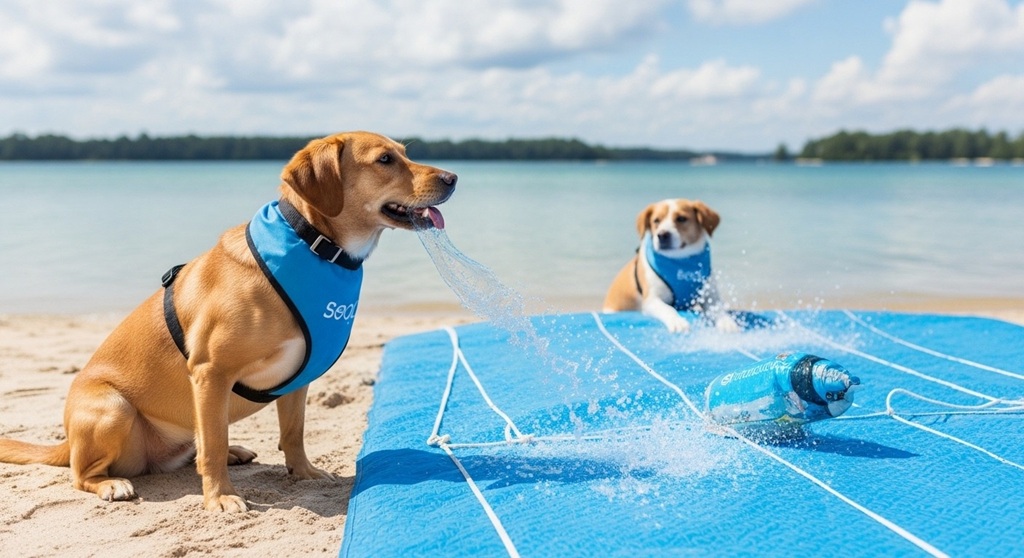
Cooling gear for dogs can be useful when used correctly. These products support natural cooling mechanisms rather than replacing them.
| Cooling Gear | How It Helps | Best Use |
|---|---|---|
| Cooling vest | Evaporative cooling reduces body heat | Walks and outdoor activities |
| Cooling mat | Gel or water-based heat absorption | Indoor resting areas |
| Elevated dog bed | Improves airflow under the body | Outdoor shade areas |
| Portable dog water bottle | Maintains hydration during travel | Hiking and long walks |
A 2022 pet equipment test conducted by canine physiologists showed evaporative cooling vests can reduce surface body temperature by up to 5°F during moderate exercise.
However, these tools work best when combined with proper hydration and shade.
How Important Is Hydration for Preventing Heat Stress?
Short Answer: Hydration helps regulate body temperature and prevents heat exhaustion.
Water is the most effective natural cooling mechanism for dogs. Panting causes moisture loss, so dogs must replace fluids frequently.
Signs of Dehydration in Dogs
- Dry nose and gums
- Reduced skin elasticity
- Sunken eyes
- Lethargy
Veterinary guidance suggests that dogs require approximately one ounce of water per pound of body weight per day. During hot weather or exercise, that requirement increases significantly.
For example, a 50-pound dog typically needs about 50 ounces of water daily under normal conditions. During summer walks or outdoor play, this may double.
Providing multiple water bowls or using portable hydration bottles ensures your dog stays hydrated throughout the day.
Can Dogs Stay Outside Safely in Summer?
Short Answer: Dogs can stay outside safely only if they have shade, ventilation, and continuous access to water.
Outdoor environments can heat quickly, especially during midday hours. Direct sunlight increases ground temperature and limits airflow.
If your dog spends time outside, ensure the environment meets basic safety conditions.
Safe Outdoor Setup
- Covered shade structure
- Ventilated dog house
- Large water container
- Cooling mat or elevated bed
Avoid tethering dogs in direct sunlight. Chains or leashes may prevent them from reaching shaded areas or water sources.
In extreme heat conditions, it is safer to bring dogs indoors where temperature control is possible.
Why Should Dogs Never Be Left in a Parked Car?
Short Answer: Temperatures inside parked cars can reach deadly levels within minutes.
Even with windows partially open, a parked car becomes a heat trap. Research from the National Weather Service shows that the interior temperature of a car can rise by 20°F in just 10 minutes.
| Outside Temperature | Inside Car After 10 Minutes | Inside Car After 30 Minutes |
|---|---|---|
| 80°F | 99°F | 114°F |
| 90°F | 109°F | 124°F |
| 100°F | 119°F | 134°F |
These conditions can cause fatal heatstroke quickly. Many regions have animal protection laws that allow authorities to intervene if a dog is left in a hot car.
The safest rule is simple: never leave dogs unattended in vehicles during warm weather.
What Should You Do If Your Dog Shows Signs of Heatstroke?
Short Answer: Move the dog to a cool area, offer water, apply cool (not cold) water, and contact a veterinarian immediately.
Heatstroke is a medical emergency. Immediate action can save your dog’s life.
Emergency Steps
- Move the dog to shade or air conditioning
- Offer small amounts of water
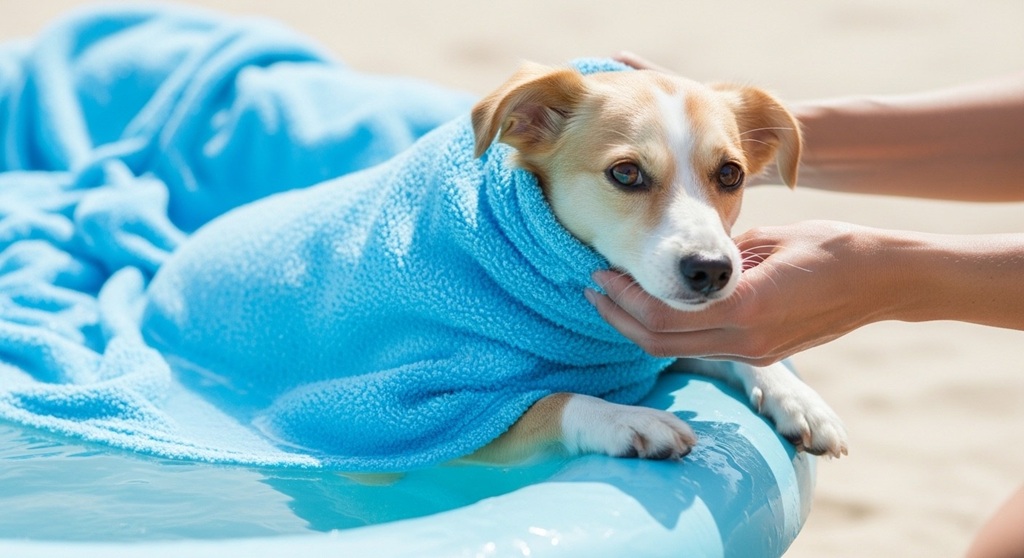
- Use cool wet towels on the body
- Avoid ice water or sudden chilling
- Contact a veterinarian immediately
Rapid cooling must be controlled. Ice water can cause blood vessel constriction, which slows heat release from the body.
Veterinary treatment may include IV fluids, oxygen therapy, and monitoring for organ damage.
Conclusion: How Can You Protect Your Dog During Summer?
Keeping dogs safe during hot weather comes down to awareness and preparation. Dogs cannot regulate heat the same way humans do, which makes them vulnerable to rising temperatures. Understanding the risks of overheating dogs allows pet owners to take simple preventive steps.
Adjusting walk times, providing constant hydration, using proper cooling gear for dogs, and avoiding hot surfaces are practical actions that significantly reduce heat-related risks. Recognizing early warning signs of heat stress can also prevent serious medical emergencies.
Summer should still be enjoyable for dogs. Outdoor play, walks, and travel can remain part of your routine when managed responsibly. Small changes in daily habits can protect your pet’s health and comfort during warm months.
If you found these dog summer safety tips helpful, share this guide with fellow pet owners and consider reviewing your current pet care routine before the next heatwave arrives.
Frequently Asked Questions
How hot is too hot for dogs?
Temperatures above 85°F can become dangerous for many dogs, especially during exercise. High humidity increases risk because it reduces the effectiveness of panting. Always monitor your dog’s behavior during warm weather.
Do fans help cool dogs?
Fans can help circulate air but are less effective for dogs than for humans. Dogs rely on evaporative cooling through panting rather than sweating. Fans work best when combined with shade and hydration.
Are cooling mats safe for dogs?
Yes, most veterinary-approved cooling mats are safe when used correctly. They absorb body heat and provide a cooler resting surface. Always choose durable products designed specifically for pets.
Should dogs be shaved in summer?
Not always. Double-coated breeds rely on their coat for insulation against heat and sunburn. Instead of shaving, regular brushing helps remove excess undercoat and improves airflow.
How often should dogs drink water in hot weather?
Dogs should have continuous access to water and drink small amounts frequently throughout the day. Active dogs may require significantly more hydration during warm conditions.
Can dogs get sunburn?
Yes. Dogs with short hair or light skin can develop sunburn, particularly on the nose, ears, and belly. Pet-safe sunscreen can help protect sensitive areas during prolonged sun exposure.
Read More Also: How to Find the Best Foldable Fishing Chair for Fishing Trips
Up Next: How to Understand Surf Rod Power and Action Before Buying