
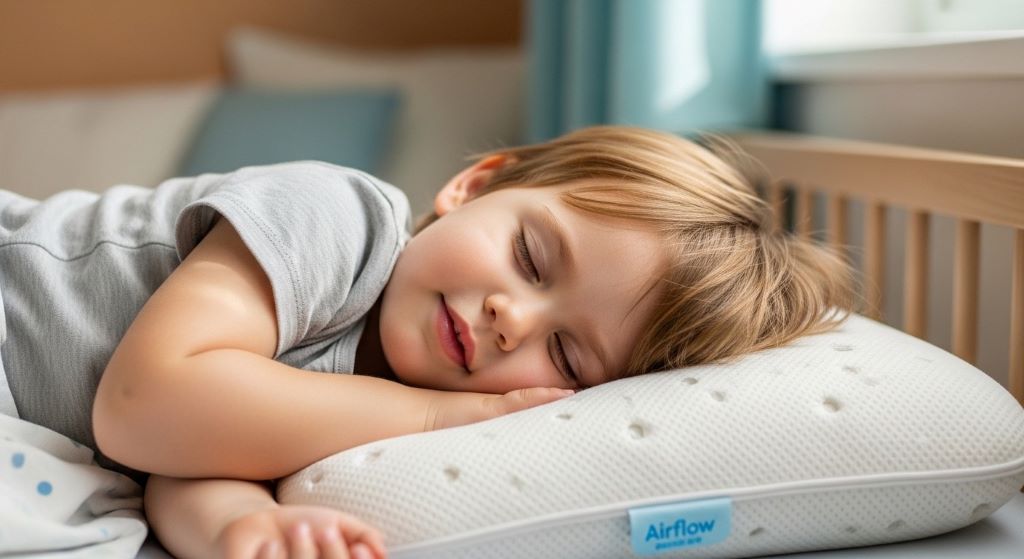
Getting your little one to sleep through the night can be challenging. However, when your toddler tends to overheat during sleep, the struggle becomes even more real. Many parents overlook the importance of choosing the right pillow for their child’s comfort and temperature regulation. The truth is, selecting a breathable pillow designed specifically for hot sleepers can make all the difference in your toddler’s sleep quality.
A good pillow does more than just support your child’s head. Additionally, it plays a crucial role in maintaining a comfortable sleeping temperature throughout the night. When toddlers sleep hot, they wake up frequently, toss and turn, and may even develop skin irritation from excess moisture. Therefore, understanding what makes a pillow breathable and how to choose the best option for your little hot sleeper is essential.
Understanding Why Toddlers Sleep Hot
Young children naturally have different body temperature regulation compared to adults. Their smaller bodies produce heat more quickly, and they haven’t fully developed the ability to cool down efficiently. Moreover, toddlers are often active sleepers who move around constantly, which generates additional body heat.
The bedroom environment also plays a significant role. Heavy blankets, warm pajamas, and poor air circulation can all contribute to overheating. Furthermore, some toddlers simply have a genetic predisposition to sleeping warmer than others. Recognizing these factors helps parents make informed decisions about bedding choices.
Traditional pillows filled with synthetic materials or dense foam can trap heat against your child’s head and neck. This creates an uncomfortable sleeping environment that leads to night waking and poor sleep quality. Consequently, choosing a pillow with proper temperature regulation becomes a priority for parents of hot sleepers.
Key Features of Breathable Pillows
When shopping for a cooling toddler pillow, several important features deserve your attention. First and foremost, the materials used in construction determine how well the pillow manages heat and moisture. Natural fibers like cotton, bamboo, and wool allow air to pass through easily, preventing heat buildup.
The pillow’s fill material is equally important. Down alternative, shredded memory foam, and buckwheat hulls all provide different levels of breathability. Unlike solid foam blocks, these materials create air pockets that promote ventilation. As a result, warm air escapes rather than becoming trapped against your toddler’s skin.
Cover fabrics also make a substantial difference. Look for moisture-wicking materials that pull sweat away from the body. These fabrics help keep your child’s head dry throughout the night. Additionally, they often feature antimicrobial properties that prevent odor and bacteria growth.
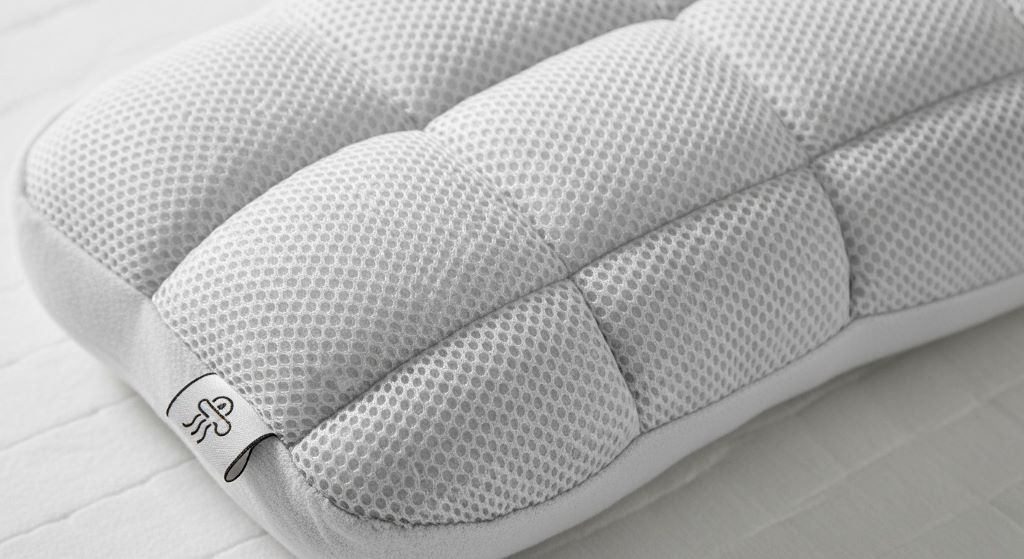
The pillow’s construction method affects breathability too. Quilted designs, mesh panels, and perforated surfaces all enhance air circulation. Therefore, examining how a pillow is assembled provides insight into its cooling capabilities.
Materials That Promote Airflow
Selecting the right materials is crucial when choosing an airflow pillow for kids. Natural latex stands out as an excellent option because it naturally resists dust mites and mold while maintaining exceptional breathability. The open-cell structure of latex foam allows continuous air movement.
Bamboo-derived fabrics have gained popularity in recent years. They offer superior moisture absorption and release heat more effectively than cotton. Moreover, bamboo grows without pesticides and requires minimal water, making it an environmentally friendly choice.
Organic cotton remains a classic option for good reason. It breathes well, feels soft against delicate skin, and withstands frequent washing. However, not all cotton is created equal. Look for high-thread-count options that balance softness with durability.
Gel-infused memory foam represents a modern approach to temperature regulation. The gel particles absorb and disperse heat away from the sleeping surface. This technology works particularly well when combined with ventilated foam designs that maximize airflow.
Wool might seem counterintuitive for hot sleepers, but it actually regulates temperature remarkably well. It wicks moisture away while maintaining a consistent temperature throughout the night. Furthermore, wool naturally resists dust mites and bacteria without chemical treatments.
Size and Loft Considerations
Choosing the correct pillow size and thickness matters for both comfort and temperature control. Toddler pillows should measure smaller than adult versions, typically around 13 by 18 inches. This size prevents the pillow from overwhelming your child’s small frame.
Loft refers to the pillow’s height or thickness. For toddlers, a lower loft generally works better because it properly aligns their spine without pushing their head too far forward. Additionally, thinner pillows allow more air to circulate around the head and neck area.
Consider your child’s sleeping position when evaluating loft. Back sleepers need minimal loft to maintain neutral spine alignment. Side sleepers require slightly more support to fill the gap between the shoulder and head. Stomach sleepers benefit from the thinnest options available.
A pillow that’s too thick forces your toddler’s head into an unnatural position. This not only affects sleep quality but can also trap more heat against their face. Therefore, selecting an appropriately sized pillow supports both comfort and temperature regulation.
Evaluating Pillow Construction
The way a pillow is put together significantly impacts its breathability. Gusseted pillows feature fabric panels along the sides that increase loft without sacrificing airflow. This design creates more room for air to move through the pillow’s interior.
Quilted patterns serve both aesthetic and functional purposes. The stitching creates channels that allow air to flow more freely. However, overly tight quilting can compress fill materials and reduce breathability. Look for moderate quilting that balances structure with ventilation.
Removable covers offer practical benefits beyond breathability. They allow for easier washing, which helps maintain hygiene and freshness. When evaluating covers, check for zipper quality and ensure the inner pillow itself is also washable.
Some pillows incorporate mesh ventilation panels specifically designed to enhance cooling. These panels, often placed along the sides or in strategic locations, create direct pathways for heat to escape. Consequently, they can make a noticeable difference for children who sleep particularly hot.
Hypoallergenic Properties
Many toddlers who sleep hot also deal with allergies or sensitive skin. Therefore, choosing a hypoallergenic cooling toddler pillow addresses multiple concerns simultaneously. Dust mites thrive in warm, moist environments, making breathable pillows doubly important for allergy-prone children.
Natural materials like latex, wool, and certain synthetic fibers naturally resist allergens. They don’t provide the environment that dust mites need to survive. Moreover, these materials typically undergo less chemical processing, reducing exposure to potential irritants.
Certifications provide assurance about a pillow’s safety and composition. Look for OEKO-TEX Standard 100 certification, which tests for harmful substances. CertiPUR-US certification applies to foam products and ensures they meet strict safety standards.
Washability ties directly into allergen management. Pillows that can be machine washed allow you to remove allergens regularly. This maintenance keeps the sleeping environment fresh and reduces allergy triggers that might disrupt your toddler’s sleep.
Maintenance and Durability
Even the best pillow requires proper care to maintain its breathability and effectiveness. Regular washing prevents the buildup of oils, sweat, and dead skin cells that can clog air passages. However, different materials require different care approaches.
Check manufacturer instructions carefully before washing. Some pillows need gentle cycles with cold water, while others can handle warmer temperatures. Using the wrong settings might damage the pillow’s structure or reduce its breathability over time.
Drying methods matter too. Many breathable pillows benefit from air drying to maintain their shape and structure. Tumble drying on low heat works for some materials but can damage others. Therefore, following care instructions extends your pillow’s lifespan.
Replace pillows when they no longer spring back to their original shape or develop permanent indentations. Even with excellent care, pillows eventually wear out. For toddlers, this typically means replacement every one to two years, depending on usage and quality.
Safety Considerations
Safety should always come first when selecting any product for your toddler. The pillow should be firm enough to maintain its shape but not so firm that it poses a suffocation risk. Additionally, avoid pillows with small parts, buttons, or decorative elements that could become choking hazards.
Age appropriateness matters significantly. Most pediatricians recommend waiting until a child is at least 18 months old before introducing a pillow. Even then, choose options specifically designed for toddlers rather than scaled-down adult pillows.
Check for flame retardant chemicals in the pillow’s construction. While fire safety is important, some flame retardants contain harmful chemicals. Look for naturally flame-resistant materials or those meeting safety standards without excessive chemical treatment.
The pillow’s cover should fit securely without excess fabric that could pose entanglement risks. Zippered covers should have safety features that prevent little fingers from easily opening them. These details might seem minor but contribute to overall safety.
Testing Before Committing
Whenever possible, take advantage of trial periods offered by pillow manufacturers. Many companies allow you to test their products for 30 to 100 nights. This gives your toddler time to adjust and lets you evaluate whether the pillow truly keeps them cooler.
Observe your child’s sleep patterns during the trial period. Notice whether they wake less frequently, toss and turn less, or seem generally more comfortable. Additionally, check their skin in the morning for signs of sweating or irritation.
Feel the pillow yourself after your toddler has been sleeping on it for a few hours. Does it feel warm to the touch, or has it maintained a relatively cool temperature? This hands-on assessment provides valuable insight into its cooling effectiveness.
Keep the packaging and documentation during trial periods. If the pillow doesn’t work out, you’ll need these items for returns. Most reputable companies make the return process straightforward for products that don’t meet expectations.
Budget Considerations
Quality breathable pillows range in price from budget-friendly to premium options. While it’s tempting to choose the least expensive option, remember that you often get what you pay for. However, expensive doesn’t always mean better either.
Mid-range pillows often provide the best value for most families. They incorporate quality materials and construction without luxury pricing. Additionally, they typically last longer than cheap alternatives, making them more economical over time.
Consider the cost per use rather than just the upfront price. A pillow that lasts two years and provides excellent sleep quality offers better value than one that needs replacement after six months. Therefore, investing a bit more initially might save money long-term.
Watch for sales and promotions, especially during major shopping holidays. Many quality pillow manufacturers offer significant discounts during these periods. However, don’t compromise on essential features just to save a few dollars.
Where to Purchase
Shopping for toddler pillows can happen online or in physical stores, each with advantages. Online retailers offer wider selections and often better prices. Moreover, customer reviews provide valuable insights from other parents dealing with hot sleepers.
Specialty baby stores typically carry curated selections of quality products. Staff members can offer personalized recommendations based on your specific needs. Additionally, you can touch and feel products before purchasing, which helps evaluate materials and construction.
Direct purchases from manufacturers sometimes offer benefits like better warranties or trial periods. Company websites often provide detailed product information and customer service support. Furthermore, you might access exclusive products not available through other retailers.
Regardless of where you shop, research the seller’s return policy thoroughly. Understanding the terms before purchasing protects you if the pillow doesn’t meet your expectations. Reputable sellers stand behind their products with reasonable return windows.
Reading Reviews Effectively
Customer reviews offer invaluable real-world perspectives on pillow performance. However, learning to read them critically helps you make better decisions. Look for detailed reviews from verified purchasers rather than brief, vague comments.
Pay attention to reviews from parents whose children have similar sleep issues. Someone whose toddler sleeps hot will provide more relevant feedback than general comments. Additionally, note how long reviewers have used the product before writing their assessment.
Be wary of reviews that seem overly positive or negative without specific details. Genuine reviews typically include both pros and cons based on personal experience. Therefore, balanced feedback usually proves more trustworthy than extreme opinions.
Check multiple sources for reviews rather than relying on a single website. Different platforms may reveal different aspects of product performance. This comprehensive approach gives you a fuller picture of what to expect.
Making the Final Decision
After researching materials, construction, safety, and budget considerations, you’re ready to choose. Start by narrowing down options based on your non-negotiable requirements. These might include specific materials, certifications, or price points.
Create a shortlist of three to five pillows that meet your criteria. Compare them side by side, evaluating how each addresses your toddler’s specific needs. Consider both immediate comfort and long-term durability in your assessment.
Trust your instincts as a parent. You know your child’s sleep habits, preferences, and sensitivities better than anyone. If something feels right about a particular option, that intuition often proves valuable.
Remember that finding the perfect pillow might require some trial and error. What works wonderfully for one child might not suit another. Therefore, remain flexible and willing to try different options until you find the right fit.
Conclusion
Choosing a breathable toddler pillow for hot sleepers involves careful consideration of multiple factors. The right materials, construction, and size all contribute to better temperature regulation and improved sleep quality. By focusing on breathability, you help your child stay comfortable throughout the night, leading to fewer wake-ups and more restful sleep for the entire family.
Remember that safety, hypoallergenic properties, and proper maintenance play equally important roles in your decision. Take time to research options, read reviews, and understand what features matter most for your specific situation. The investment in a quality airflow pillow for kids pays dividends in better sleep and happier mornings.
Your toddler deserves comfortable, restorative sleep that supports their growth and development. With the information provided in this guide, you’re now equipped to make an informed choice that keeps your little hot sleeper cool and comfortable all night long. Sweet dreams await when you choose the right pillow for your child’s unique needs.
Frequently Asked Questions
What age should my child start using a toddler pillow?
Most pediatricians recommend introducing a pillow around 18 to 24 months of age. Before this age, pillows can pose suffocation risks. However, every child develops differently, so consult your pediatrician about the right timing for your toddler. When you do introduce a pillow, choose one specifically designed for toddlers with appropriate size and firmness.
How often should I replace my toddler’s pillow?
Generally, you should replace your toddler’s pillow every one to two years. Signs that it’s time for replacement include permanent indentations, loss of shape, or visible wear and tear. If the pillow no longer springs back when compressed or develops an odor that washing doesn’t remove, it’s definitely time for a new one. Regular replacement ensures optimal support and hygiene.
Can I wash a breathable toddler pillow?
Most breathable toddler pillows are washable, but methods vary by material. Always check the manufacturer’s care instructions before washing. Many can be machine washed on gentle cycles with mild detergent. Some require air drying while others can tumble dry on low heat. Regular washing every two to four weeks helps maintain breathability and hygiene.
Will a cooling pillow completely stop my toddler from sweating at night?
While a cooling toddler pillow significantly helps manage heat, it won’t completely eliminate sweating if other factors contribute to overheating. Room temperature, pajamas, and blankets all affect your child’s body temperature. Combine a breathable pillow with appropriate sleepwear, moderate room temperature, and lightweight bedding for best results. Some toddlers naturally sleep warmer regardless of bedding choices.
Are expensive pillows always better for hot sleepers?
Not necessarily. Price doesn’t always correlate with performance for cooling purposes. Mid-range pillows often provide excellent breathability and temperature regulation without premium pricing. Focus on key features like materials, construction, and breathability rather than price alone. Reading reviews from parents with similar concerns helps identify effective options across various price points.
Related Topics:
Ergonomic Bath Pillows: Our Picks for the Best Comfort in 2025
Honest Momcozy Pregnancy Pillow Review 2025