
Hearing a roar from your rear end at 40 mph can be unsettling. Many drivers experience this issue, especially when cruising at highway speeds. The noise often indicates a mechanical problem that requires attention. Understanding the source of this roar helps you address it quickly and safely. At Local Motor Homes, we understand how important vehicle diagnostics are for your safety and peace of mind.
Understanding the Roaring Sound
The roar you hear at 40 mph typically comes from the differential, wheel bearings, or tire issues. This speed-specific noise suggests something is wrong with rotating components. Additionally, the sound may change when you turn or accelerate. However, pinpointing the exact cause requires careful observation.
When your car making humming noise at 40 mph becomes noticeable, it often indicates wear in critical drivetrain components. The noise may start quietly but grows louder over time. Therefore, early diagnosis prevents more expensive repairs down the road.
Common Causes of Rear End Roar
Several components can create a roaring sound from your vehicle’s rear. Each has distinct characteristics that help identify the problem.
Differential Problems
The differential distributes power to your rear wheels. When its bearings wear out, they produce a roaring or whining sound. This noise intensifies at certain speeds, particularly around 40 mph. Furthermore, low differential fluid levels can cause metal-on-metal grinding. The differential requires proper lubrication to function smoothly.
Worn Wheel Bearings
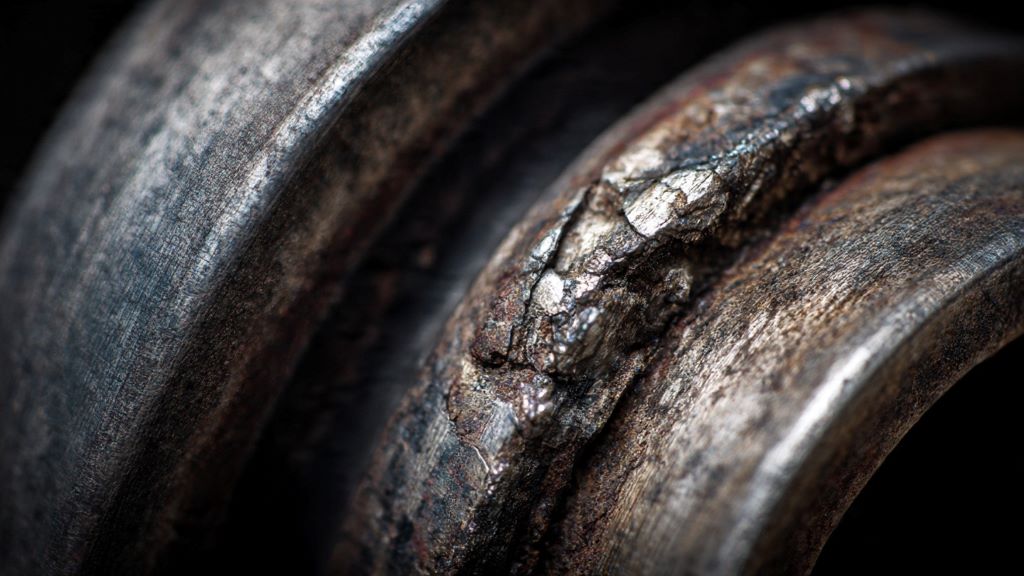
Wheel bearings allow your wheels to rotate freely. When they fail, they create a rumbling or roaring noise. This sound typically gets louder as speed increases. Additionally, bad wheel bearings may cause vibration in the steering wheel. They can also make the noise change when turning corners.
Tire-Related Issues
Sometimes the roar comes from your tires themselves. Uneven tire wear creates road noise that sounds like roaring. Cupped or scalloped tires are common culprits. Moreover, certain tire tread patterns naturally produce more noise at highway speeds. Improper tire pressure can also contribute to unusual sounds.
Exhaust System Issues
A damaged exhaust system can create roaring sounds. Holes or loose components amplify exhaust noise. This becomes more noticeable at specific speeds. However, exhaust roars usually sound different from drivetrain noises. They often have a deeper, more resonant quality.
Diagnostic Steps to Identify the Problem
Proper diagnosis requires a systematic approach. Following these steps helps you locate the source of the roar.
Listen Carefully
Pay attention to when the noise occurs. Note whether it happens during acceleration, deceleration, or steady speed. Additionally, observe if the sound changes when turning. These details provide valuable clues about the source.
Inspect the Tires
Check all four tires for uneven wear patterns. Look for cupping, feathering, or bald spots. Furthermore, verify that tire pressure matches manufacturer recommendations. Rotate the tires and see if the noise location changes.
Check Wheel Bearings
Jack up the vehicle safely and spin each rear wheel. Listen for grinding or roughness. Additionally, try to wiggle the wheel up and down. Excessive play indicates bearing wear. A mechanic can perform a more thorough bearing inspection.
Examine the Differential
Check the differential fluid level and condition. Low or dirty fluid suggests a problem. Moreover, look for leaks around the differential housing. Fresh fluid should be clear or slightly amber. Dark, gritty fluid needs replacement.
Test Drive Assessment
Drive at various speeds to isolate when the roar occurs. Try driving in a straight line, then make gentle turns. Additionally, coast in neutral to see if the noise continues. This helps determine if the problem is engine-related or drivetrain-related.
Professional Diagnosis and Repair
While some checks can be done at home, professional diagnosis ensures accuracy. Mechanics have specialized tools to identify problems quickly. According to Car and Driver, regular vehicle inspections catch issues before they become serious problems.
When to Seek Professional Help
Visit a mechanic if the roar persists after basic checks. Additionally, seek help if you notice vibration or handling changes. Strange noises should never be ignored. They often indicate safety concerns that need immediate attention.
What Mechanics Will Check
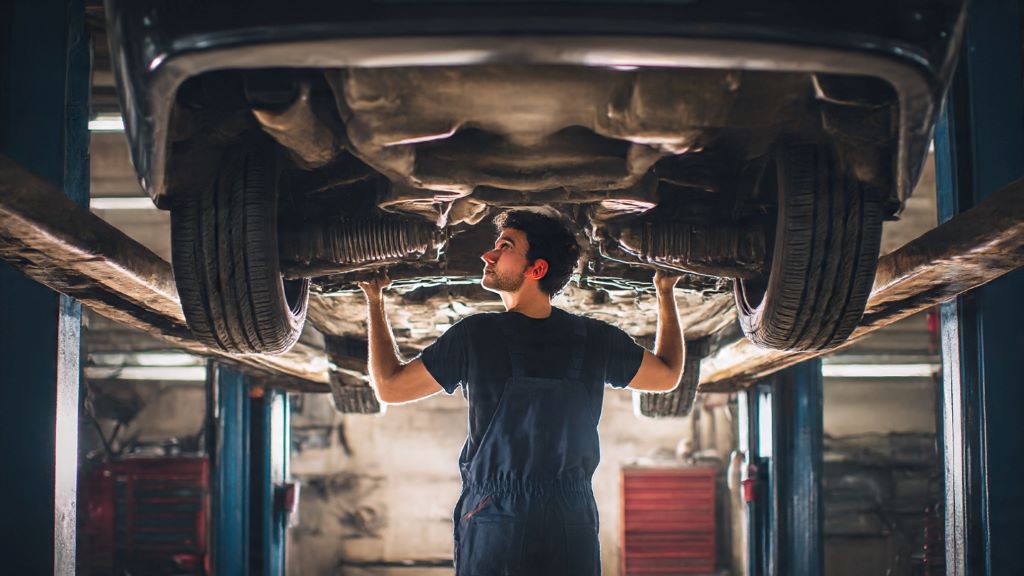
Professional technicians perform comprehensive inspections. They use lifts to examine the undercarriage thoroughly. Furthermore, they may test drive the vehicle to hear the noise firsthand. Mechanics also check components you cannot easily access.
Expected Repair Costs
Repair costs vary depending on the problem. Wheel bearing replacement typically costs between $150 and $400 per wheel. Differential repairs range from $200 to $1,500 depending on severity. However, tire replacement or rotation is much less expensive. Getting multiple quotes helps ensure fair pricing.
Preventing Future Rear End Problems
Regular maintenance prevents many roaring noise issues. Simple habits extend component life significantly.
Regular Fluid Checks
Check differential fluid according to your maintenance schedule. Most vehicles need differential service every 30,000 to 60,000 miles. Additionally, use the correct fluid type specified by your manufacturer. Clean fluid prevents premature wear.
Tire Maintenance
Rotate tires every 5,000 to 7,000 miles. This promotes even wear and extends tire life. Furthermore, maintain proper tire pressure at all times. Inspect tires regularly for damage or unusual wear patterns.
Drive Carefully
Avoid aggressive driving that stresses drivetrain components. Hard acceleration and sharp turns wear parts faster. Additionally, be mindful of road conditions. Potholes and curbs can damage wheel bearings and suspension components.
Listen to Your Vehicle
Pay attention to new sounds or changes in your vehicle. Early detection prevents minor issues from becoming major repairs. Therefore, never ignore unusual noises. Your vehicle communicates problems through sounds and vibrations.
Safety Considerations
A roaring rear end can indicate serious safety issues. Ignoring these sounds puts you at risk on the road.
Potential Dangers
Failed wheel bearings can cause wheels to seize or come off. A damaged differential may stop working entirely. Additionally, these failures can happen suddenly while driving. This creates dangerous situations for you and other drivers.
Impact on Vehicle Control
Worn components affect vehicle handling and stability. You may experience poor traction or unpredictable steering. Furthermore, damaged parts increase stopping distances. Maintaining your rear end ensures reliable vehicle performance.
Conclusion
A roar from your rear end at 40 mph requires prompt attention. The noise typically indicates problems with the differential, wheel bearings, or tires. However, proper diagnosis identifies the exact cause. Regular maintenance and careful driving prevent many of these issues. Furthermore, addressing problems early saves money and ensures safety. Never ignore unusual vehicle noises. They provide important warnings about your vehicle’s condition. Professional mechanics can quickly diagnose and repair rear end problems, keeping you safe on the road.
Frequently Asked Questions
What causes a roaring noise from the rear end at 40 mph?
The most common causes include worn wheel bearings, differential problems, and tire issues. These components create noise at specific speeds due to their rotation rate. A mechanic can diagnose the exact source through inspection and testing.
Is it safe to drive with a roaring noise from the rear?
While you may be able to drive short distances, it is not recommended. The roar indicates a failing component that could worsen quickly. Therefore, have your vehicle inspected as soon as possible to prevent dangerous failures.
How much does it cost to fix a roaring rear end?
Repair costs depend on the problem. Wheel bearing replacement costs $150 to $400 per wheel. Differential repairs range from $200 to $1,500. Simple tire rotation or balancing costs much less, typically under $100.
Can bad tires cause a roaring sound?
Yes, tires with uneven wear patterns can create roaring noises. Cupped or scalloped tires are particularly noisy at highway speeds. Additionally, certain aggressive tread patterns naturally produce more road noise.
How do I know if my differential is going bad?
Signs of differential problems include roaring or whining noises, fluid leaks, vibration, and difficulty turning. The noise often changes when accelerating or decelerating. Furthermore, you may notice a burning smell from overheating components.
Related Topics:
8 Cracked Windshield Repair Options: Your Ultimate Guide
Hidden Car Storage Compartments You Didn’t Know Existed