
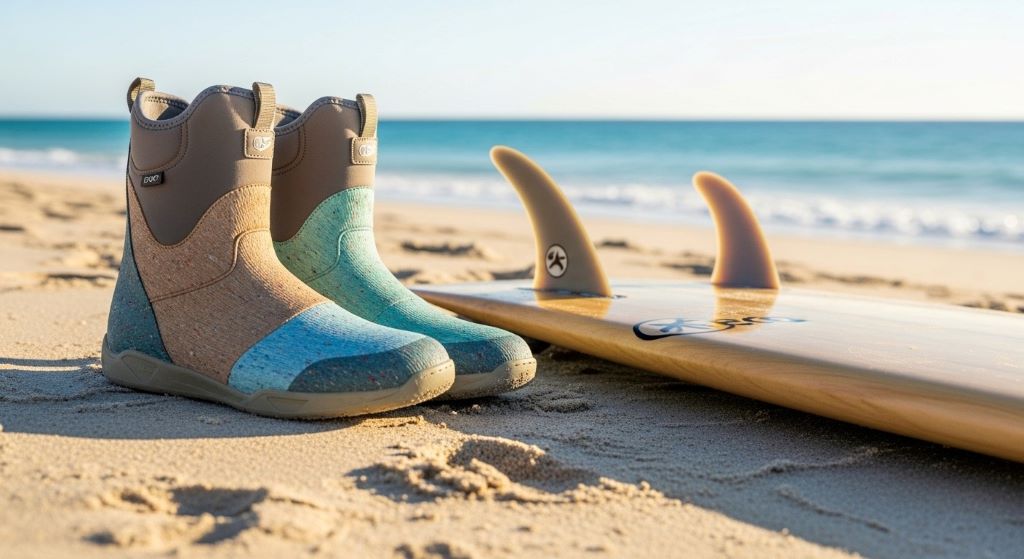
Surfing connects us deeply with the ocean, so protecting marine environments should be a priority for every wave rider. However, finding footwear that balances environmental responsibility with the demands of surfing can feel challenging. The good news is that modern sustainable surf gear has evolved significantly, offering options that perform just as well as traditional alternatives while reducing your environmental footprint.
This guide will help you navigate the world of environmentally conscious surf footwear, ensuring you make informed choices that benefit both your surfing experience and the planet.
Understanding the Environmental Impact of Traditional Surf Footwear
Traditional surf shoes often contain petroleum-based materials that take hundreds of years to decompose. Manufacturing processes release harmful chemicals into waterways, while microplastics shed from synthetic materials pollute the very oceans we love to ride. Additionally, most conventional footwear ends up in landfills after a relatively short lifespan.
The production of standard neoprene, a common material in surf boots, relies on fossil fuels and generates significant carbon emissions. Therefore, understanding these impacts helps you appreciate why choosing eco-conscious alternatives matters. By selecting better options, you actively contribute to ocean conservation while still enjoying your favorite water sport.
Key Features to Look for in Eco-Friendly Surf Shoes
Material Composition
The foundation of any environmentally responsible surf shoe lies in its materials. Look for products made from natural rubber, organic cotton, or plant-based alternatives to synthetic compounds. Recycled neoprene shoes have become increasingly popular, transforming discarded wetsuits and other waste materials into high-performing footwear.
Some manufacturers use innovative materials like algae-based foam, recycled plastic bottles, or sustainably harvested cork. These alternatives significantly reduce environmental impact while maintaining durability and flexibility. Additionally, water-based adhesives replace toxic chemical glues, making the entire product safer for both you and the environment.
Performance Characteristics
Environmental consciousness should never mean sacrificing performance. Quality eco-friendly surf shoes must provide excellent grip on wet surfaces, protecting your feet from sharp rocks, coral, and sea urchins. The sole should offer enough flexibility to feel your board while providing adequate protection.
Temperature regulation is equally important. Your footwear should keep your feet warm in cold water without causing overheating in warmer conditions. Furthermore, proper drainage systems prevent water accumulation, maintaining comfort during extended sessions. Quick-drying materials ensure your shoes are ready for your next adventure without developing unpleasant odors.
Durability and Longevity
The most sustainable product is one that lasts. Well-constructed eco-friendly footwear should withstand regular use in harsh saltwater environments. Check for reinforced stitching, particularly in high-stress areas like the toe box and heel. Quality construction means fewer replacements, ultimately reducing waste.
Consider how the shoes handle sun exposure, saltwater, and repeated wet-dry cycles. Products designed for longevity often feature UV-resistant materials and corrosion-resistant hardware. Moreover, some brands offer repair services, extending product life even further and keeping functional items out of landfills.
Evaluating Brand Transparency and Certifications
Third-Party Certifications
Legitimate green surf products often carry recognized environmental certifications. Look for labels like Bluesign, which ensures environmentally friendly and safe manufacturing processes. The Global Organic Textile Standard certifies organic fiber content and ethical production.
Fair Trade certification indicates workers receive fair wages and safe working conditions. Climate Neutral certification means the company has measured, reduced, and offset its carbon emissions. However, not all excellent eco-friendly products carry multiple certifications due to cost barriers for smaller companies. Therefore, research beyond labels to understand a brand’s true commitment.
Supply Chain Transparency
Trustworthy companies openly share information about their manufacturing processes and material sourcing. They should clearly explain where materials come from and how products are made. Transparency extends to acknowledging challenges and ongoing improvement efforts rather than claiming perfection.
Examine whether brands provide detailed information about their environmental initiatives. Do they publish sustainability reports? Can you trace the journey of materials from source to finished product? Additionally, authentic companies often partner with environmental organizations or contribute to ocean conservation efforts.
Comparing Different Types of Eco-Friendly Surf Footwear
Reef Boots and Booties
These protect your feet in rocky or coral-rich environments while providing warmth in cooler waters. Eco-conscious versions use recycled materials combined with natural rubber soles. The thickness varies from 3mm for warmer conditions to 7mm for cold water surfing.
Modern designs incorporate ergonomic features that prevent blisters and pressure points during extended wear. Split-toe designs offer enhanced board feel, bridging the gap between barefoot surfing and full protection. Furthermore, many options now feature minimal seams to reduce chafing and improve comfort.
Water Shoes and Aqua Socks
Lighter alternatives suitable for warmer waters and less challenging terrain, these provide basic protection while maintaining excellent flexibility. Environmentally friendly versions often feature recycled mesh uppers and bio-based sole materials.
These work particularly well for beach walking, paddle boarding, or light surf sessions. Their quick-drying properties make them convenient for travel. However, they offer less thermal protection and may not withstand extremely rocky conditions as well as thicker booties.
Surf Slippers and Sandals
Perfect for post-surf beach walks or casual water activities, these often incorporate recycled flip-flop materials and sustainable rubber alternatives. While not suitable for actual surfing, they represent an eco-conscious choice for your overall beach lifestyle.
Many brands now create sandals from recovered ocean plastics or agricultural waste materials. Some feature replaceable straps, extending product life significantly. Additionally, comfortable designs encourage daily use, reducing reliance on less sustainable footwear options.
Testing Performance Before Committing
Fit and Comfort Assessment
Proper fit is crucial for both performance and sustainability. Ill-fitting shoes lead to discomfort, blisters, and premature replacement. Try shoes with the same thickness socks you’ll wear while surfing. Your toes should have slight room without excessive space that allows sliding.
Walk around, flex your feet, and simulate surfing movements. The heel should stay secure without slipping. Consider that neoprene materials may stretch slightly with use, so a snug initial fit often works best. Moreover, adjustable closures like Velcro straps or laces help achieve a customized fit.
Water Testing
If possible, test shoes in controlled water conditions before committing to challenging surf sessions. Assess how quickly they drain, whether they feel heavy when wet, and if they maintain grip on wet surfaces. Check for any rubbing or pressure points that might worsen during extended use.
Notice how the shoes affect your board feel and maneuverability. Some environmentally conscious materials perform differently than traditional options initially but break in beautifully. Therefore, give new shoes a fair trial period while remaining realistic about performance expectations.
Maintaining Your Eco-Friendly Surf Shoes
Proper Cleaning Techniques
Rinse shoes thoroughly with fresh water after each use to remove salt, sand, and organic matter. Saltwater accelerates material breakdown, so this simple step significantly extends lifespan. Use mild, biodegradable soap occasionally for deeper cleaning, avoiding harsh chemicals that damage eco-friendly materials.
Air dry shoes away from direct sunlight and heat sources, which can degrade natural and recycled materials. Stuff them with newspaper to maintain shape and absorb moisture. Additionally, ensure complete drying between uses to prevent mold growth and odor development.
Storage Best Practices
Store surf shoes in a cool, dry place with good air circulation. Avoid compressed storage that can deform materials or damage structure. Keep them away from petroleum products, solvents, and other chemicals that might react with natural or recycled components.
Consider using breathable storage bags that protect from dust while allowing air circulation. Proper storage prevents premature aging and maintains performance characteristics. Furthermore, well-maintained shoes retain their protective qualities and comfort throughout their intended lifespan.
Repair and Restoration
Small tears or separated seams don’t necessarily mean replacement time. Many eco-friendly materials can be repaired using water-based adhesives or patches. Some manufacturers offer repair services, and local wetsuit repair shops can often fix surf footwear.
Learning basic repair skills extends product life and reduces waste. Keep a small repair kit with appropriate adhesives and patch materials. Moreover, addressing minor damage immediately prevents it from worsening and requiring more extensive intervention.
Making the Purchase Decision
Price Versus Value Consideration
Eco-friendly surf shoes often carry higher initial prices than conventional alternatives. However, superior durability and performance often provide better long-term value. Calculate cost per use rather than focusing solely on purchase price.
Consider the environmental and social costs of cheaper alternatives. Supporting companies investing in sustainable practices and fair labor encourages industry-wide improvements. Additionally, quality products that last multiple seasons ultimately prove more economical than frequently replacing cheaper options.
Supporting Innovation
Early adoption of sustainable surf gear helps prove market demand for environmentally responsible products. Your purchases send signals to manufacturers, encouraging continued innovation and investment in green alternatives. As demand grows, economies of scale often reduce prices, making sustainable options accessible to more surfers.
Look for brands pushing boundaries with new materials and manufacturing techniques. Supporting these innovators accelerates the development of even better solutions. Furthermore, companies often improve products based on user feedback, so sharing your experiences contributes to ongoing advancement.
Beyond Footwear: Building a Sustainable Surf Lifestyle
Choosing eco-friendly surf shoes represents just one component of environmental responsibility. Consider your entire surf setup, from boards made with sustainable materials to reef-safe sunscreen. Transportation choices, beach cleanup participation, and supporting ocean conservation organizations all contribute to positive impact.
Educate others about sustainable options without being preachy. Lead by example, demonstrating that environmental consciousness and high performance aren’t mutually exclusive. Share your experiences with eco-friendly products, helping others make informed decisions. Additionally, encourage surf shops to stock more sustainable options, creating market pressure for positive change.
Conclusion
Selecting eco-friendly surf shoes that perform well requires research, but the effort benefits both your surfing and the oceans we cherish. Focus on quality materials like recycled neoprene shoes, verify brand transparency through certifications, and prioritize durability over initial cost. Test carefully for proper fit and performance, maintain your footwear properly, and support innovative brands pushing the industry toward sustainability.
Remember that perfect solutions rarely exist, but better choices make meaningful differences. Every sustainable purchase supports positive change while reducing your environmental impact. As technology advances and more surfers demand green surf products, options will continue improving in quality, performance, and affordability.
By choosing wisely, maintaining carefully, and inspiring others, you protect the playground we love while enjoying every wave to its fullest. The ocean gives us incredible experiences; choosing sustainable surf gear represents one powerful way to give back.
Frequently Asked Questions
Do eco-friendly surf shoes perform as well as traditional options?
Yes, modern sustainable surf footwear performs comparably to traditional alternatives. Advances in recycled and bio-based materials have created products offering excellent grip, durability, and protection. While early eco-friendly options sometimes compromised performance, current products meet professional standards. Testing specific models for your conditions ensures you find options matching your needs perfectly.
How long do recycled material surf shoes typically last?
Quality eco-friendly surf shoes generally last 1-3 years with regular use, similar to conventional options. Actual lifespan depends on usage frequency, water conditions, and maintenance practices. Proper care, including thorough rinsing and appropriate storage, significantly extends product life. Some sustainable materials actually outlast traditional alternatives due to superior construction quality.
Are eco-friendly surf shoes more expensive?
Initially, sustainable surf footwear often costs 10-30% more than standard options. However, superior durability frequently provides better long-term value. As demand increases and production scales up, prices continue becoming more competitive. Consider the environmental and social benefits alongside financial cost when evaluating true value.
Can I recycle my old surf shoes?
Some manufacturers offer take-back programs that recycle old footwear into new products. Check with the original brand about recycling options. Alternatively, local wetsuit recycling programs sometimes accept surf booties. If recycling isn’t available, consider repurposing them for gardening or donating still-functional pairs to surf programs serving underserved communities.
What certifications should I look for when buying sustainable surf shoes?
Seek products with Bluesign certification for safe manufacturing, Global Organic Textile Standard for organic materials, or Fair Trade certification for ethical labor practices. Climate Neutral certification indicates carbon offset efforts. However, smaller innovative brands may lack certifications due to cost barriers while still producing excellent sustainable products. Research brand transparency and practices beyond certifications alone.
Related Topics:
Top Safety Features in Modern Bike Helmets Explained: Schwinn Intercept Helmet Safety Spotlight
How to Listen to Music While Swimming: The Ultimate Guide for Waterproof Beats