Choosing the right air pump for your aquarium can feel overwhelming. With countless options available, finding one that suits your 20-gallon tank requires understanding several important factors. This guide will walk you through everything you need to know about selecting the perfect air pump for your aquatic environment.
Understanding Air Pumps and Their Importance
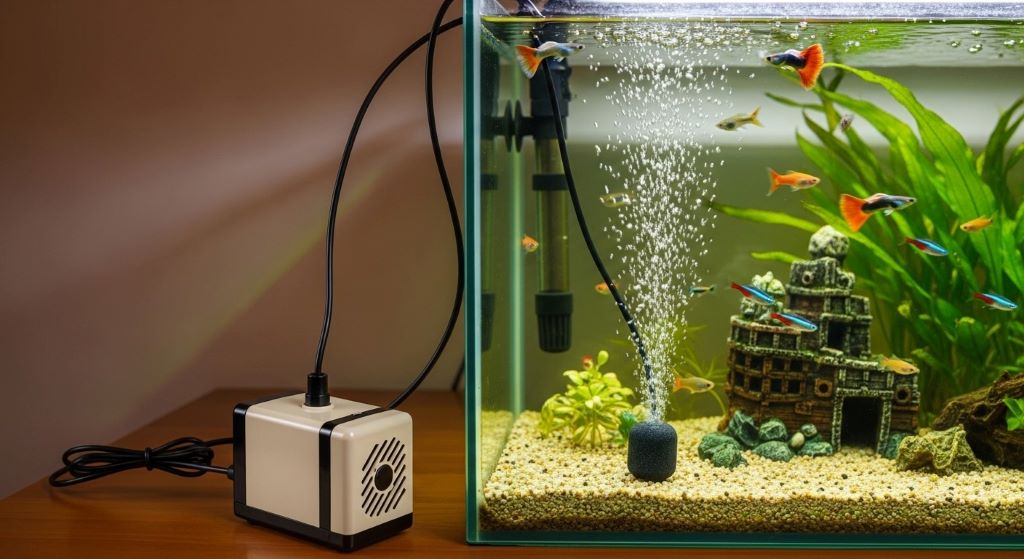
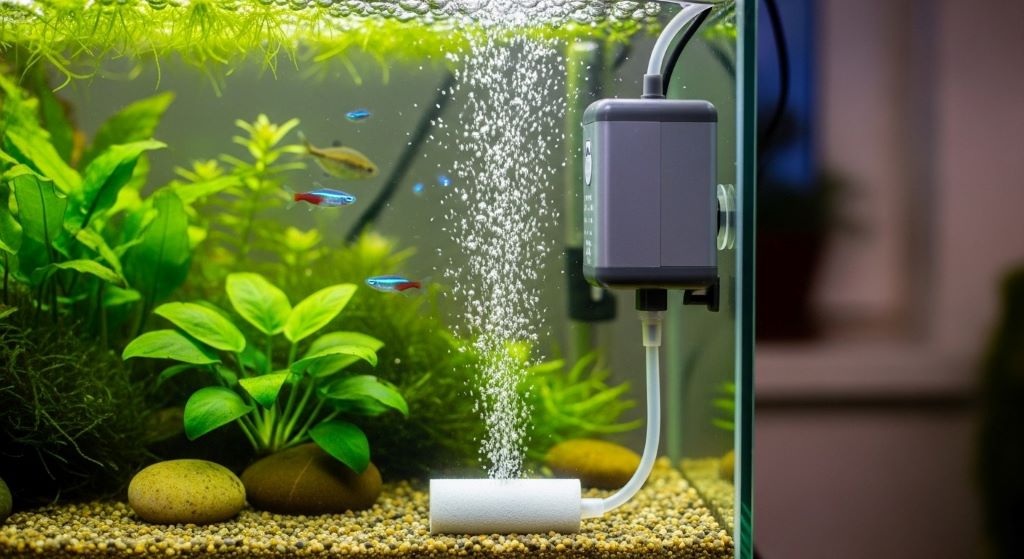
Air pumps serve as the lungs of your aquarium. They push air through tubing into the water, creating bubbles that facilitate oxygen exchange at the surface. This process ensures your fish and other aquatic life receive adequate oxygen levels.
Beyond oxygenation, air pumps power various aquarium accessories. They drive sponge filters, decorative ornaments, and air stones. Additionally, they create water movement that prevents dead zones where harmful bacteria might accumulate.
For a 20-gallon tank, selecting an appropriately sized pump prevents unnecessary energy consumption while ensuring optimal performance. Therefore, understanding your specific needs becomes crucial before making a purchase.
Evaluating Tank Size and Pump Capacity
Your 20-gallon aquarium requires specific air output to maintain healthy conditions. Most manufacturers rate pumps by gallons per hour or liters per minute. However, these numbers can be confusing for beginners.
A general rule suggests choosing a pump that cycles the tank volume at least once per hour. For a 20-gallon setup, this means approximately 20 gallons per hour minimum. Nevertheless, consider your specific circumstances before settling on this baseline.
Heavily stocked tanks need more aeration than lightly populated ones. Similarly, planted tanks might require less aggressive aeration during daylight hours. Therefore, assess your unique situation when determining the appropriate capacity.
Exploring Small Tank Aeration Options
Small tank aeration differs significantly from larger aquarium requirements. Twenty-gallon tanks fall into a category where subtle balance matters most. Too much air creates excessive turbulence, while too little leads to oxygen deficiency.
When exploring small tank aeration solutions, consider adjustable pumps that allow flow control. These versatile options let you fine-tune output based on seasonal changes or stocking adjustments. Moreover, they provide flexibility as your aquarium evolves over time.
Single-outlet pumps often suffice for basic 20-gallon setups. However, dual-outlet models offer advantages if you plan to run multiple accessories. Each outlet can power different devices, maximizing your pump’s utility.
Considering Nano Tank Air Pump Features
The nano tank air pump category specifically targets smaller aquarium setups. These compact devices deliver sufficient power without overwhelming your tank with excessive bubbles or noise.
Modern nano pumps incorporate advanced technology that previous generations lacked. Piezoelectric mechanisms have replaced traditional electromagnetic diaphragms in many models. Consequently, these newer pumps operate more quietly and consume less electricity.
Size becomes particularly important when cabinet or shelf space is limited. Nano pumps typically measure just a few inches across, making them easy to conceal behind decorations or equipment. Furthermore, their lightweight construction simplifies installation and repositioning.
Power Consumption and Efficiency
Electricity costs add up over time, especially for continuously running equipment. Selecting a low watt air pump reduces your environmental footprint while saving money on utility bills.
Traditional air pumps consume between 3 to 15 watts depending on size and design. However, modern efficient models often operate at the lower end of this spectrum. Some cutting-edge nano pumps use as little as 1.5 watts while maintaining adequate performance.
Calculate annual operating costs before purchasing to understand long-term expenses. Multiply the pump’s wattage by your local electricity rate and hours of operation. This simple math reveals whether premium efficiency models justify their higher initial cost.
Energy-efficient pumps also generate less heat, which matters in smaller spaces. Excessive heat can raise water temperature, potentially stressing fish in warmer climates. Therefore, low watt air pump options provide multiple benefits beyond cost savings.
Noise Levels and Placement Considerations
Pump noise can transform a peaceful aquarium into an annoying distraction. This factor becomes especially important if your tank sits in a bedroom or quiet living space.
Decibel ratings help compare noise levels between models. Look for pumps operating below 40 decibels for bedroom applications. Living room tanks can tolerate slightly louder options, typically up to 45 decibels.
Placement significantly affects perceived noise. Mounting pumps on soft surfaces like foam or rubber mats dampens vibration. Additionally, positioning them above water level prevents siphoning if power fails.
Cabinet mounting isolates sound from living spaces while protecting equipment from accidental spills. However, ensure adequate ventilation to prevent overheating. Air circulation keeps components cool and extends pump lifespan.
Durability and Build Quality
Investment in quality equipment pays dividends through years of reliable service. Cheap pumps might save money initially but often fail prematurely, requiring replacement.
Examine housing materials when evaluating options. High-impact plastic resists cracking better than thin, brittle alternatives. Metal components should feature corrosion-resistant coatings to prevent rust in humid environments.
Diaphragm quality directly impacts longevity and performance. Rubber diaphragms wear faster than silicone alternatives. Moreover, replaceable diaphragms extend pump life by allowing simple maintenance instead of complete replacement.
Warranty coverage indicates manufacturer confidence in their product. Reputable brands typically offer at least one year of protection. Extended warranties suggest superior construction and reliable customer support.
Adjustability and Control Features
Fixed-output pumps work adequately for static setups. However, adjustable models provide flexibility that proves invaluable as circumstances change.
Flow control valves allow precise output adjustment without purchasing additional equipment. This feature helps you respond to seasonal temperature variations or livestock changes. Furthermore, reduced flow during feeding time prevents food from scattering throughout the tank.
Some advanced pumps include built-in timers or programmable settings. These features automate aeration cycles, potentially saving energy during periods when maximum output isn’t necessary. Smart pumps can even integrate with aquarium controllers for comprehensive automation.
Split outputs distribute air to multiple devices from a single pump. This configuration eliminates the need for gang valves while ensuring balanced flow distribution. Nevertheless, verify that total output meets combined accessory requirements before relying on this approach.
Compatibility with Aquarium Accessories
Air pumps power more than simple air stones. Sponge filters, protein skimmers, and decorative features all depend on consistent air supply.
Sponge filters provide excellent biological filtration for small tanks. They work best with steady, moderate airflow that creates gentle water movement. Excessive pressure can damage delicate sponge material or create disruptive currents.
Air-driven ornaments add visual interest while contributing to oxygenation. Treasure chests, divers, and underwater volcanoes require specific pressure ranges. Check accessory requirements before selecting your pump to ensure compatibility.
Multiple accessories demand careful calculation of total air requirements. Add individual device needs together, then select a pump with 20-30% excess capacity. This buffer prevents overworking the motor and ensures reliable performance.
Maintenance Requirements and Accessibility
Regular maintenance keeps pumps operating efficiently. Understanding upkeep requirements before purchasing helps you avoid surprises down the road.
Most pumps need periodic diaphragm replacement, typically every 12-24 months. Models with tool-free access simplify this process, requiring only minutes to complete. Conversely, pumps needing disassembly for maintenance consume more time and effort.
Air intake filters prevent dust and debris from entering the pump mechanism. These small foam or felt pads require monthly cleaning or replacement. Clogged filters reduce efficiency and increase operating noise.
Check valve installation prevents water from siphoning back through the tubing during power outages. Position these one-way valves between the pump and tank to protect your equipment. Replace them annually to ensure proper function when needed most.
Budget Considerations and Value Assessment
Price varies dramatically across air pump options. Basic models start around ten dollars, while premium units exceed fifty. However, cost alone doesn’t determine value.
Consider total cost of ownership rather than initial price. A fifteen-dollar pump requiring annual replacement costs more over five years than a forty-dollar model lasting the same period. Additionally, energy consumption affects long-term expenses.
Brand reputation influences both price and reliability. Established manufacturers typically charge premium prices but deliver consistent quality. Lesser-known brands might offer bargains, though they carry higher risk of disappointment.
Read customer reviews to gauge real-world performance. Pay attention to comments about longevity, noise levels, and customer service experiences. These insights often reveal issues that specifications alone don’t address.
Environmental Conditions and Operating Temperature
Ambient temperature affects pump performance and lifespan. Most models operate best between 60 and 90 degrees Fahrenheit. Extreme temperatures can damage internal components or reduce efficiency.
Humid environments accelerate wear on electrical components. If your aquarium room experiences high humidity, look for pumps with moisture-resistant housings. Sealed designs prevent condensation from entering sensitive areas.
Altitude impacts air pressure and pump efficiency. Higher elevations reduce atmospheric pressure, potentially affecting output. Manufacturers rarely address this factor, but it matters for aquarists living in mountainous regions.
Seasonal variations might require output adjustments. Warmer water holds less dissolved oxygen than cooler water. Therefore, summer conditions often demand increased aeration compared to winter months.
Installation Tips for Optimal Performance
Proper installation maximizes pump efficiency while minimizing problems. Start by selecting an appropriate location that meets several criteria.
Position pumps above water level whenever possible. This prevents siphoning if power fails or tubing disconnects. Elevated placement also improves airflow and reduces risk of water damage.
Secure pumps to stable surfaces using adhesive pads or mounting brackets. Vibration from unstable placement amplifies noise and can damage equipment over time. Firm mounting eliminates these issues.
Use appropriate tubing diameter for your pump’s output nipple. Loose connections leak air, reducing efficiency and creating annoying hissing sounds. Conversely, forced connections can crack plastic nipples.
Consider installing a drip loop in the power cord. This simple safety measure prevents water from running along the cord into electrical outlets. Position the lowest point of the loop below the outlet.
Troubleshooting Common Air Pump Issues
Even quality pumps occasionally develop problems. Understanding common issues helps you diagnose and resolve them quickly.
Reduced output often indicates clogged intake filters or aging diaphragms. Clean or replace filters first, as this simple fix resolves most cases. If performance doesn’t improve, diaphragm replacement likely becomes necessary.
Excessive noise usually stems from worn components or improper mounting. Check for loose screws or damaged rubber feet. Additionally, verify that the pump sits on a vibration-dampening surface.
Inconsistent bubbles suggest air leaks in tubing or connections. Inspect the entire airline for cracks or loose fittings. Replacing damaged sections restores proper function.
Complete failure might result from electrical issues or motor burnout. Test the outlet with another device to confirm power availability. If electricity flows but the pump doesn’t respond, motor replacement or unit replacement becomes necessary.
Making Your Final Selection
After considering all factors, narrow your choices to two or three candidates. Compare their specifications side by side, weighing pros and cons.
Prioritize features that matter most for your specific situation. A bedroom tank demands quiet operation above all else. Heavily stocked tanks require powerful, reliable output.
Read detailed reviews from multiple sources before finalizing your decision. Look for patterns in customer feedback that confirm or contradict manufacturer claims.
Remember that the cheapest option rarely provides the best value. Similarly, the most expensive model doesn’t automatically suit every application. Balance cost against features and expected performance.
Conclusion
Selecting the best air pump for your 20-gallon aquarium requires careful consideration of multiple factors. From understanding small tank aeration needs to evaluating nano tank air pump features, each aspect contributes to your decision. Power efficiency matters significantly, making low watt air pump options attractive for cost-conscious aquarists.
Prioritize reliability, appropriate capacity, and noise levels when making your choice. Consider long-term operating costs alongside initial purchase price. Proper installation and regular maintenance ensure your selected pump delivers years of dependable service.
Taking time to research options prevents frustration and wasted money. Your fish depend on consistent oxygenation, making this decision crucial for their health and wellbeing. Choose wisely, and your aquarium will thrive with proper aeration supporting a balanced ecosystem.
Frequently Asked Questions
Can I use a larger pump on my 20-gallon tank?
Yes, but include a flow control valve to prevent excessive turbulence. Oversized pumps without adjustment can stress fish and disrupt planted aquariums through aggressive water movement.
How often should I replace my air pump?
Quality pumps last 3-5 years with proper maintenance. Replace diaphragms annually and clean intake filters monthly to maximize lifespan. Consider replacement when noise increases significantly or output decreases noticeably.
Do I need an air pump if I have a filter?
It depends on your filter type and stocking levels. Hang-on-back and canister filters provide surface agitation but might need supplemental aeration in heavily stocked tanks. Sponge filters require air pumps to function.
Where should I position my air stone in the tank?
Place air stones in back corners or behind decorations for aesthetic appeal. Position them mid-depth rather than at the bottom to create optimal circulation patterns without disturbing substrate excessively.
Can air pumps run continuously without damage?
Yes, modern air pumps are designed for 24/7 operation. Continuous running actually benefits pump longevity by preventing diaphragm material from hardening. Only turn pumps off during maintenance or medication treatments requiring it.
Related Topics:
Saltwater fish-only tank maintenance schedule
Zero Aggression Fish for Betta Sorority Tanks