
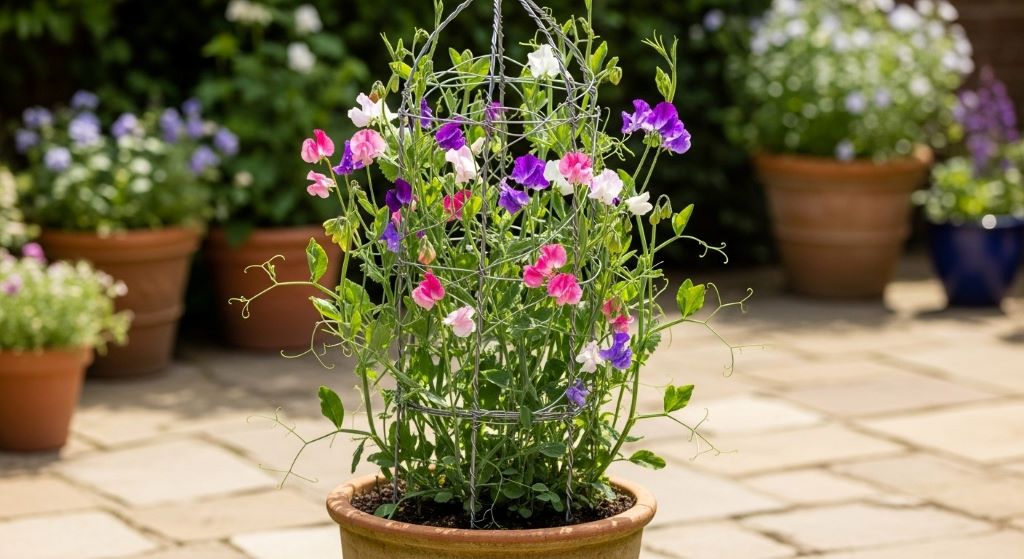
Transforming leftover wire into charming mini trellises offers an excellent way to add personality to your garden without spending a fortune. Whether you have old coat hangers, spare fencing wire, or craft wire gathering dust, these materials can become beautiful structures for climbing plants. The experts at The Village Gardener believe that resourceful gardening not only saves money but also reduces waste while creating unique garden features.
Wire scraps are surprisingly versatile for garden crafts. They bend easily, withstand outdoor weather, and provide sturdy support for delicate vines and flowers. Additionally, working with wire requires minimal tools, making it perfect for anyone new to gardening projects. Furthermore, mini trellises fit beautifully in container gardens, small beds, and even indoor plant displays.
Creating these structures falls perfectly under creative diy garden projects on a budget for beginners, as they require no special skills or expensive materials. Therefore, you can start crafting today with items you already own. Moreover, each trellis can be customized to match your garden’s aesthetic, from rustic farmhouse to modern minimalist styles.
Understanding Wire Types for Trellis Projects
Different wire types serve different purposes in trellis construction. Galvanized steel wire resists rust and provides excellent durability for outdoor use. It typically comes in various gauges, with lower numbers indicating thicker wire. Conversely, copper wire offers aesthetic appeal with its warm tone but costs more than steel alternatives.
Coat hangers represent the most accessible wire source for beginners. They provide adequate thickness for small trellises and cost nothing if you recycle old ones. However, they may rust over time without proper treatment. Craft wire, available at hobby stores, comes in decorative finishes but works best for lightweight plants like sweet peas or morning glories.
According to Better Homes & Gardens, choosing the right materials ensures your garden projects last multiple seasons. Therefore, consider your climate and the plants you plan to grow before selecting wire types. Meanwhile, mixing different wire types can create interesting visual textures in your designs.
Simple Geometric Trellis Designs
Geometric shapes offer clean lines and modern appeal for mini trellises. A basic triangle trellis requires just three wire pieces twisted together at the corners. Start by cutting three equal lengths, then form them into a triangle shape. Twist the ends together securely, leaving small loops for hanging or anchoring into soil.
Square and rectangular trellises provide more climbing surface for plants. Cut four pieces of wire, ensuring opposite sides match in length. Connect the corners by wrapping the wire ends around each other several times. Additionally, you can add horizontal or vertical cross-wires for extra support.
Diamond patterns create eye-catching focal points in garden beds. Simply rotate a square design forty-five degrees, then secure it in the ground. Furthermore, you can create a series of connected diamonds by sharing wire pieces between shapes. This approach saves materials while producing striking visual effects.
Spiral and Curved Trellis Styles
Spiral trellises add whimsical charm to container gardens and small spaces. Begin with a sturdy base wire pushed into the soil, then wrap a longer, thinner wire around it in a spiral pattern. Secure the spiral wire at several points to prevent sliding. Subsequently, plants like jasmine or clematis will naturally wind around these curves.
Heart-shaped trellises work wonderfully for romantic garden corners or as gifts. Form a heart outline using one continuous piece of wire, overlapping and twisting the ends at the bottom point. Moreover, you can add decorative beads or small ornaments to personalize your design.
Wave patterns create dynamic movement in garden displays. Bend your wire into gentle S-curves or repeating waves, then attach to stakes at both ends. These designs work particularly well for climbing beans or ornamental vines. However, ensure the curves aren’t too tight, which might damage delicate plant stems.
Ladder and Grid Trellis Constructions
Miniature ladder trellises suit narrow spaces and vertical gardening perfectly. Create two parallel vertical wires as side rails, then attach shorter horizontal pieces as rungs. Space the rungs evenly, approximately two to three inches apart. Additionally, wrapping rather than twisting connections creates cleaner joints.
Grid patterns offer maximum climbing surface in minimal space. Start by creating a rectangular frame, then add both horizontal and vertical wires across the interior. The resulting grid should have squares roughly two inches on each side. Therefore, plants have plenty of attachment points as they grow.
According to The Spruce, grid trellises support heavier crops like tomatoes when constructed with thicker wire. Consequently, consider your intended plants when determining wire gauge and grid spacing. Meanwhile, smaller grids work beautifully for peas and lightweight flowering vines.

Decorative Embellishments and Finishing Touches
Adding decorative elements transforms functional trellises into garden art. Wrap colored craft wire around structural wires to introduce pops of color. Alternatively, attach small glass beads, which catch sunlight beautifully. Furthermore, you can weave thin copper wire through the design for metallic accents.
Rust prevention extends the life of steel wire trellises significantly. Apply clear spray sealant designed for metal, or use outdoor-grade paint in colors that complement your garden palette. However, some gardeners prefer the weathered patina that develops naturally over time. This aged appearance adds character to rustic garden settings.
Personalization makes each trellis unique to your space. Consider adding small tags with plant names, decorative wire letters spelling words, or shaped wire additions like butterflies or flowers. Moreover, these embellishments cost little but add tremendous visual interest to your garden displays.
Assembling and Installing Your Mini Trellises
Proper assembly ensures your trellises remain stable throughout the growing season. Use pliers to create tight twists at connection points, wrapping wire around itself at least three times. Additionally, trim sharp wire ends carefully, then fold them back against the structure to prevent injuries.
Installation methods vary depending on trellis size and location. For container gardens, create wire legs that extend into the soil at least three inches deep. Alternatively, attach trellises to existing stakes or garden structures using wire ties. Furthermore, freestanding designs benefit from weighted bases, such as wire wrapped around stones.
Positioning affects both plant health and visual impact. Place trellises where climbing plants receive appropriate sunlight for their species. Additionally, consider sight lines from windows and seating areas to maximize decorative value. Therefore, strategic placement serves both functional and aesthetic purposes in your garden design.
Plant Pairings for Wire Trellises
Selecting compatible plants ensures success with mini wire trellises. Lightweight annual vines like sweet peas, morning glories, and nasturtiums work perfectly for thinner wire structures. These plants climb readily without overwhelming the support system. Moreover, they produce abundant flowers throughout the growing season.
Perennial options include clematis, small-leafed ivy, and climbing roses for miniature varieties. However, ensure your wire gauge matches the plant’s eventual weight and vigor. Additionally, herbs like thyme and oregano can trail decoratively over wire structures in container gardens.
Edible crops bring function to your decorative trellises. Pole beans, sugar snap peas, and small cucumber varieties thrive on wire supports. Furthermore, cherry tomatoes grow well on sturdy wire grids. Therefore, your trellises can contribute to both garden beauty and your harvest.
Maintenance and Seasonal Care
Regular inspection keeps wire trellises functional and attractive. Check connection points monthly during the growing season, tightening any loosened twists. Additionally, remove dead plant material promptly to prevent weight strain on the wire. Furthermore, gentle cleaning with a soft brush removes dirt and cobwebs.
Seasonal storage extends trellis lifespan considerably. Remove trellises from outdoor locations before harsh winter weather arrives. Clean thoroughly, then store in a dry location like a garage or shed. However, weatherproof designs can remain in place year-round, though periodic checks ensure continued stability.
Repairing damaged sections proves simple with wire trellises. Wrap new wire around broken sections, or replace individual pieces as needed. Moreover, refreshing paint or sealant every few years maintains appearance and prevents rust. Therefore, with minimal care, your wire trellises can serve your garden for many seasons.
Upcycling Wire Sources Around Your Home
Finding free wire materials requires just a bit of creativity. Old coat hangers offer the most obvious source, providing sturdy wire perfect for structural elements. Additionally, ask dry cleaners for discarded hangers they’re disposing of anyway. Furthermore, broken wire shelving, old lampshades, and damaged wire baskets all contain usable material.
Hardware and construction sites sometimes discard wire scraps from fencing or electrical projects. However, always ask permission before taking materials, and avoid wires with plastic coatings that might leach chemicals into soil. Moreover, estate sales and thrift stores often sell wire items for pennies.
Community recycling centers occasionally accept metal donations and may allow you to collect wire pieces. Therefore, building relationships with local recycling coordinators can provide steady material supplies. Meanwhile, joining online gardening communities helps you connect with others who have wire to share or trade.
Troubleshooting Common Wire Trellis Issues
Stability problems usually stem from inadequate anchoring. If your trellis wobbles, push supports deeper into the soil or add additional anchor points. Additionally, attaching trellises to stakes or existing structures provides extra security. Furthermore, heavier gauge wire naturally offers more stability than thinner alternatives.
Rust develops when untreated steel wire faces moisture repeatedly. Apply rust-converting primer followed by outdoor paint to salvage affected pieces. Alternatively, embrace the rustic patina that rust creates, though weakened sections should be replaced. Moreover, choosing galvanized or stainless steel wire prevents rust problems entirely.
Plants struggling to climb wire trellises may need encouragement. Gently weave young stems through the wire structure, or use soft plant ties to guide growth. Additionally, rougher wire surfaces provide better grip than smooth, polished wire. Therefore, consider wrapping smooth wire with natural twine for improved plant attachment.
Conclusion
Creating mini trellises from wire scraps combines creativity, sustainability, and practicality in your garden. These projects require minimal investment while producing charming structures that support plants and enhance visual appeal. Additionally, working with wire develops crafting skills transferable to other garden projects.
The versatility of wire allows endless design possibilities, from simple geometric shapes to elaborate decorative pieces. Furthermore, these trellises serve various functions, supporting edible crops, ornamental vines, and container garden plants equally well. Therefore, every gardener can benefit from adding handmade wire trellises to their outdoor spaces.
Starting with readily available materials removes barriers to entry for beginning gardeners. Moreover, the satisfaction of creating functional garden art from discarded items adds special meaning to your growing space. Consequently, wire trellis crafting represents an ideal introduction to resourceful, budget-friendly gardening that produces lasting results.
Frequently Asked Questions
What gauge wire works best for mini trellises?
Wire between 12 and 16 gauge provides ideal strength for most mini trellis projects. Thicker wire (lower numbers) offers more support for heavier plants, while thinner wire (higher numbers) bends more easily for decorative shapes. Coat hangers typically measure around 12-14 gauge and work well for beginners.
How do I prevent wire trellises from rusting?
Apply a rust-preventive spray or outdoor metal paint before exposing trellises to weather. Galvanized or stainless steel wire resists rust naturally but costs more. Alternatively, some gardeners embrace the weathered look that develops over time, replacing only structurally compromised sections as needed.
Can wire trellises support heavier vegetables like tomatoes?
Sturdy wire trellises made from thick gauge wire can support cherry tomatoes and other lightweight varieties. However, full-sized tomato plants require more substantial support systems. Grid patterns with close spacing and multiple anchor points provide the strongest configuration for heavier crops.
Where can I find free wire for trellis projects?
Old coat hangers represent the easiest free wire source. Additionally, check with dry cleaners, thrift stores, and recycling centers for discarded wire items. Broken wire shelving, old lampshades, and damaged wire baskets all contain usable material. Online community groups often have members offering free wire scraps.
How long do wire trellises typically last outdoors?
Properly treated galvanized or stainless steel wire trellises can last five to ten years or longer. Untreated steel wire develops rust within one to three seasons, though this may not affect functionality immediately. Regular maintenance, including repainting and tightening connections, extends lifespan significantly regardless of wire type.
Related Topics:
How to Make a Hydroponic Herb Garden: A Comprehensive Guide for Fresh Herbs Year-Round