
A streaky windshield in heavy rain turns a routine drive into a guessing game, and that is usually the moment drivers start searching for wiper blade types compared side by side. The three main designs on shelves today look similar at a glance, yet they behave very differently in wind, snow, and daily wear. This comparison walks through how each type works, what it costs in practice, and which one suits your car and climate. You can read more about general car upkeep alongside this guide if you want the wider maintenance picture.
Quick answer: Beam blades suit most modern cars and handle wind and weather best, conventional blades are the cheapest and work fine on older flat windshields, and hybrid blades combine a frame with a cover for a middle-ground option. Match the blade to your windshield curve and climate first, then to your budget.
What is wiper blade types compared?
The comparison comes down to three constructions: conventional, beam, and hybrid. Each one solves the same job — pressing a rubber strip evenly against glass — using a different structure. Understanding that structure explains almost every difference in price, performance, and lifespan.
Conventional blades
A conventional blade uses a metal frame with several articulated joints and a series of brackets. The frame distributes pressure from the wiper arm down to the rubber through these contact points. This design has been standard for decades and fits neatly on windshields with gentler curves. The exposed metal frame is its weakness in winter, because snow and ice pack into the joints and lift the rubber off the glass.
Beam blades
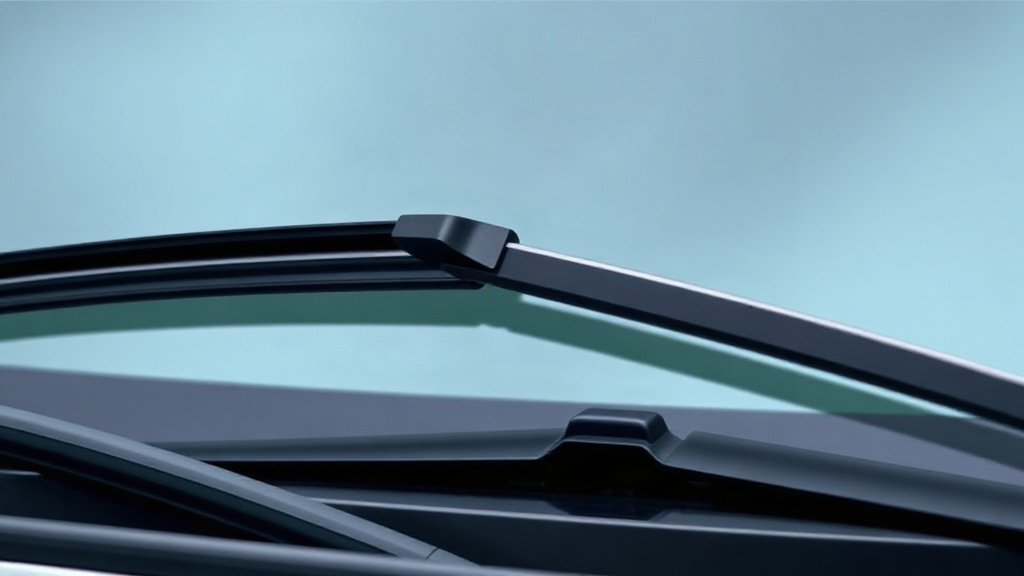
A beam blade replaces the metal frame with a single curved steel strip, often called a beam or spine, that runs the length of the blade. The rubber attaches directly to this strip, which holds a preset curve matching modern windshields. With no joints to clog, beam blades resist ice buildup and stay pressed against the glass at highway speed. They tend to cost more than conventional blades and suit curved, aerodynamic windshields best.
Hybrid blades
A hybrid blade keeps a frame but wraps it in a rubber or plastic cover. The cover shields the joints from snow, salt, and debris while the frame still provides the pressure distribution of a conventional design. Hybrids sit between the other two in price and often appeal to drivers in snowy regions who want frame-style coverage without exposed joints.
Comparison: the three blade types at a glance
The table below summarizes the main differences; notice that no single type wins on every line.
| Feature | Conventional | Beam | Hybrid |
|---|---|---|---|
| Structure | Exposed metal frame | Single curved beam | Covered frame |
| Wind lift resistance | Moderate | High | Good |
| Snow and ice handling | Weak | Strong | Strong |
| Typical cost | Lowest | Highest | Middle |
| Best fit | Older, flatter glass | Curved modern glass | Mixed climates |
Takeaway: the frame is the deciding factor — no frame means better weather resistance, while a covered frame balances cost and durability.
Why wiper blade types compared matters
Blade choice affects safety directly, because a wiper that skips or smears reduces what you can see in rain, spray, or snow. A blade that lifts at speed leaves a band of water right where you need clarity most. The right type keeps contact even when wind or ice pushes against it.
Cost also plays a role over time. A cheap conventional blade replaced twice as often can cost more than a beam blade that lasts longer, depending on climate and use. Matching type to conditions avoids both overspending and premature replacement. For drivers in hot, dry regions, sun exposure ages rubber faster than rain wear does, so lifespan depends more on material quality than on frame design.
Fit matters as well. Some wiper arms and windshield curvatures work better with certain designs, and a poorly matched blade can chatter or leave streaks no matter how much it cost. Checking your vehicle’s recommended blade type before buying saves return trips and frustration.
Every blade type exists to solve one problem: keeping rubber flat against curved glass under changing load. Judge any blade by how well it holds that contact in your typical driving conditions.
Takeaway: treat blade type as a safety and value decision, not a cosmetic upgrade.
Best practices
Start with your owner’s manual or the blade size listed for your vehicle. Length and connector type must match the arm, and the wrong connector can leave the blade loose or misaligned. Measure both blades on the car, since many vehicles use different lengths on the driver and passenger sides.
Replace blades in pairs, or at least check both when one fails. A worn blade on one side often means the other is close behind, and mismatched wear causes uneven clearing. A simple rule is to inspect rubber edges every few months and replace when you see cracks, missing chunks, or persistent streaks.
Clean the windshield and the blade edge regularly. Grit and tree sap grind into rubber and speed up wear. Wipe the rubber with a damp cloth and wash the glass with a proper cleaner rather than household detergent, which can leave residue.
If you plan to install a specific brand yourself, a practical Rain-X wiper blades guide can walk you through removal and fitting steps. Installation errors — a half-clicked connector or a blade resting on the wrong part of the arm — cause many of the complaints people blame on the blade itself.
Keep replacements in their sleeve, flat and out of direct sun. Rubber that sits bent or baked in a hot trunk can age before it ever touches glass.
Takeaway: correct size, paired replacement, clean glass, and careful fitting matter as much as blade type.
Common mistakes to avoid
Buying on price alone is the most frequent error. The cheapest blade can be false economy if it streaks within months or fails in the first snow. Equally, paying for a premium beam blade on an old car with a flat windshield may deliver little benefit over a well-made conventional one.
Ignoring climate leads to poor choices. A driver in a snowy region who fits an exposed-frame blade may fight ice-packed joints all winter. Someone in a mild climate who never drives above city speeds may not need beam construction at all.
Skipping the connector check causes fit problems. Not every blade fits every arm, and adapters vary between brands. Confirm the connector style before purchase rather than after.
Another mistake is blaming the blade for a worn wiper arm. A weak arm spring reduces pressure and causes streaks no matter what blade sits on it. If new blades still skip, have the arm checked.
Finally, many drivers wait for total failure. A blade that clears just enough to pass inspection is still a safety risk in a downpour. Replace on condition, not on the calendar alone.
Dry operation wears rubber quickly and can scratch the windshield. Use washer fluid whenever you test the blades.
Takeaway: avoid these six traps and most blade complaints disappear before they start.
FAQ
Which wiper blade type is best for winter driving?
Beam and hybrid blades generally handle snow and ice better than conventional ones. Beam blades have no exposed joints for ice to clog, and hybrids cover their frames. Both keep contact with the glass more reliably in freezing conditions.
Are beam blades worth the higher price?
They often are for drivers with curved windshields who face rain, wind, or highway speeds. Beam blades resist lift and last well in harsh weather. On older flat windshields in mild climates, a good conventional blade can deliver similar results for less.
How often should I replace wiper blades?
Most manufacturers suggest replacing blades roughly every six to twelve months, though climate and parking habits shift that window. Replace sooner if you see streaks, chatter, or torn rubber edges.
Can I mix blade types on one car?
You can, but it is rarely ideal. Different designs can wear at different rates and clear the glass unevenly. Matching both sides keeps performance consistent and simplifies replacement.
Do hybrid blades fit all cars?
No. Hybrid blades come in many lengths and connector types, but not every arm accepts every model. Check the fitment chart or manual for your vehicle before buying.
Conclusion
The three designs split along a clear line: conventional for low cost and flat glass, beam for curved windshields and tough weather, and hybrid for a balance of both. Weigh your climate, windshield shape, and typical driving speeds before you decide, and remember that correct fit and timely replacement matter as much as the type itself. Check your current blades this week, note the sizes, and replace them before the next storm rather than during it.