

News







Trending
Hand-Crank Pasta Maker Review: Tnfeeon Cavatelli and Gnocchi Machine
August 30, 2026Yes, the Tnfeeon Cavatelli and Gnocchi Machine is worth considering for fresh short pasta at home. This compact manual pasta...

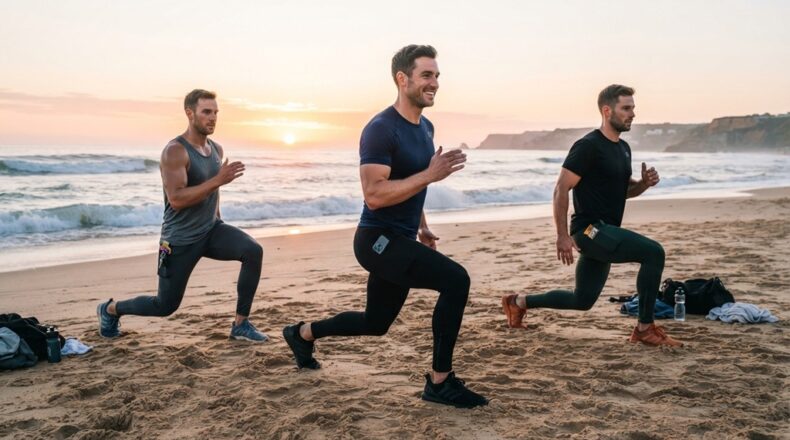
How to Pick Pockets Leggings for Beach Workouts
August 21, 2026
How to Find Top Rated Putters in Washington State
August 20, 2026
Why Chicago, IL Winters Give Babies Dry Skin
August 20, 2026
How to Organize Bass Lures with All-in-One
August 17, 2026Info Insight
Hand-Crank Pasta Maker Review: Tnfeeon Cavatelli and Gnocchi Machine
August 30, 2026Yes, the Tnfeeon Cavatelli and Gnocchi Machine is worth considering...
How to Pick Pockets Leggings for Beach Workouts
August 21, 2026You've finally carved out time for a sunrise beach workout....
How to Find Top Rated Putters in Washington State
August 20, 2026
Why Chicago, IL Winters Give Babies Dry Skin
August 20, 2026
How to Organize Bass Lures with All-in-One
August 17, 2026
How to Pick a Durable SUP Fin Kit for Florida Waters
August 15, 2026Long Reads
Hand-Crank Pasta Maker Review: Tnfeeon Cavatelli and Gnocchi Machine
August 30, 2026Yes, the Tnfeeon Cavatelli and Gnocchi Machine is worth considering for fresh short pasta at home. This compact manual pasta press skips electricity and focuses...
Latest Updates
How to Choose Eco-Friendly Surf Shoes Without Compromising Performance
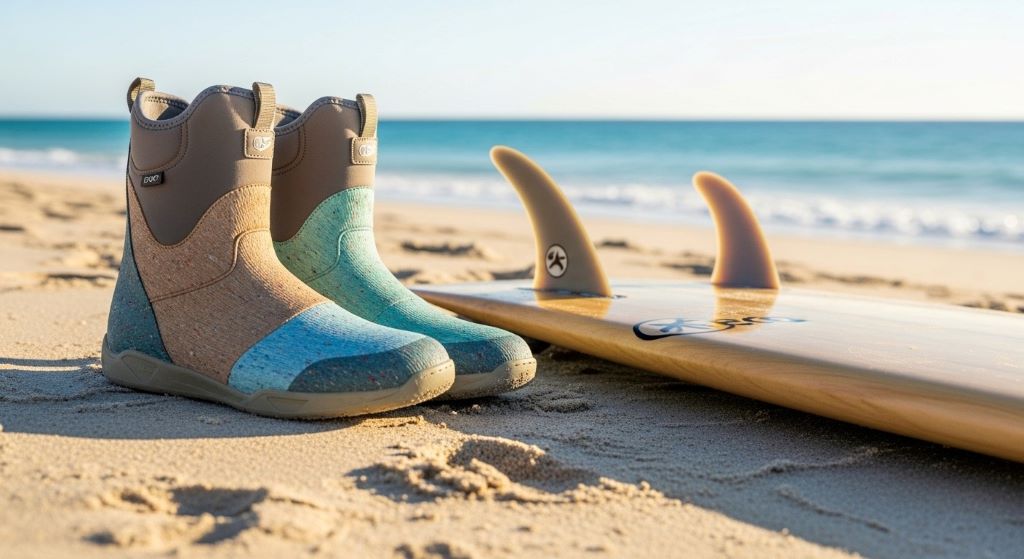
Surfing connects us deeply with the ocean, so protecting marine environments should be a priority for every wave rider. However, finding footwear that balances environmental responsibility with the demands of surfing can feel challenging. The good news is that modern sustainable surf gear has evolved significantly, offering options that perform just as well as traditional alternatives while reducing your environmental footprint.
How to Choose the Best Rope for Outdoor Survival Situations
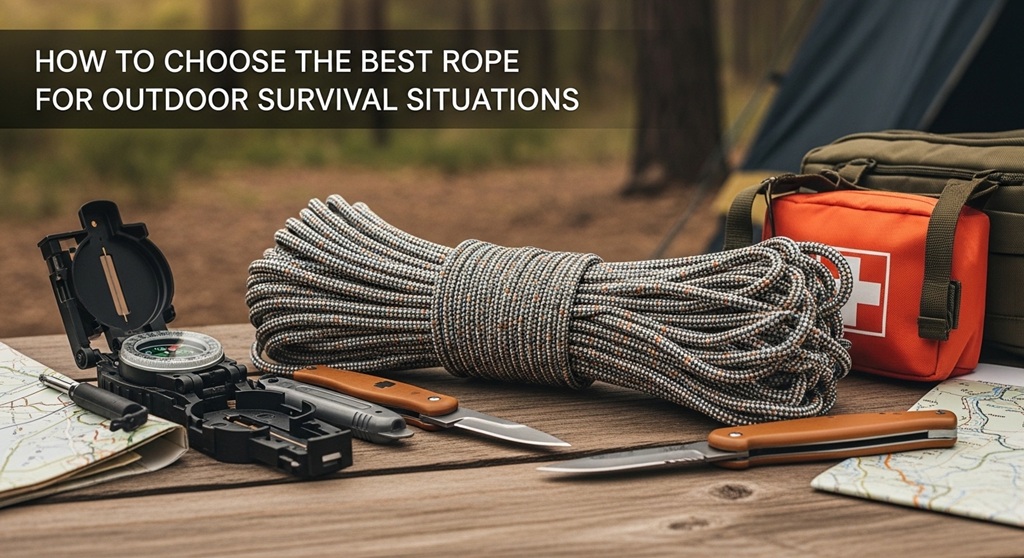
The best rope for outdoor survival situations is a durable, weather-resistant rope with high tensile strength, low stretch, and multipurpose usability. In most cases, static nylon rope, polyester rope, or paracord are the most practical options depending on your load requirements.
Imagine this: you are camping in remote terrain. A sudden storm hits. Your tent collapses. You need to secure shelter fast. Your safety now depends on one tool—your rope.
This is where most people make a mistake. They buy rope based on price or thickness. Not performance. Not load rating. Not weather resistance.
The problem? The wrong rope can stretch too much, absorb water, fray under friction, or fail under tension. In survival situations, that failure has real consequences.
The solution is understanding how survival gear rope works, how to evaluate strength ratings, and how to choose the right type for your environment. This guide breaks it down in simple terms. No fluff. Just facts.
Why Is Rope Essential in Survival Gear?
Rope is essential because it enables shelter building, rescue operations, load securing, food storage, and emergency repairs.
Outdoor survival depends on tools that serve multiple functions. Rope ranks among the top three essentials alongside a knife and fire source.
Common Multipurpose Rope Uses in Survival
- Building emergency shelters
- Creating ridge lines for tarps
- Securing food away from wildlife
- Improvised tourniquets (last resort)
- Clotheslines
- Gear repair
- Emergency rappelling (with proper rated rope)
- Constructing stretchers
Military survival manuals and wilderness training programs consistently include rope in their essential gear lists. Its versatility reduces the need to carry multiple single-use tools.
That is the core value of a survival gear rope: strength plus adaptability.
What Types of Rope Are Best for Outdoor Survival?
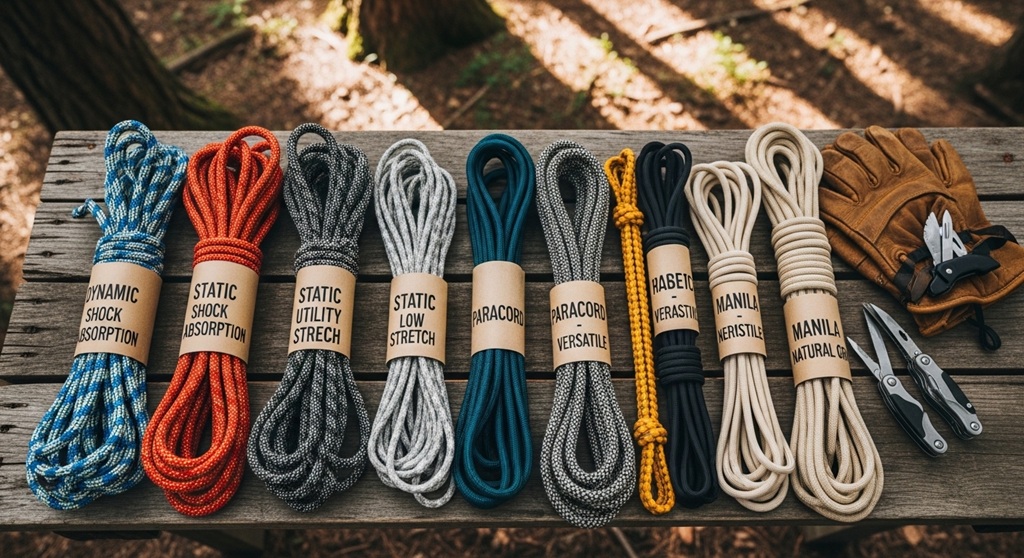
The best rope types for survival include nylon rope, polyester rope, polypropylene rope, static climbing rope, and paracord. Each serves different purposes.
1. Nylon Rope
Best for heavy loads and shock absorption.
- High tensile strength
- Elastic stretch under load
- Strong abrasion resistance
- Absorbs water
Nylon is widely used in climbing and rescue systems because it handles dynamic loads well. However, it can lose up to 10–15% strength when wet.
2. Polyester Rope
Best for outdoor exposure and minimal stretch.
- Low stretch
- Excellent UV resistance
- Water resistant
- Good durability
Polyester works well for shelter lines and tie-downs in rainy conditions.
3. Polypropylene Rope
Best for lightweight and water-floating needs.
- Floats on water
- Resistant to rot
- Lower tensile strength
Good for temporary uses, not ideal for heavy survival loads.
4. Static Climbing Rope
Best for rescue and hauling systems.
Low stretch. High strength. Designed for vertical environments.
If you’re comparing options, review this detailed guide on
survival gear rope to understand climbing-grade specifications.
5. Paracord (550 Cord)
Best for compact emergency rope kits.
- Rated around 550 lbs tensile strength
- Lightweight
- Inner strands usable separately
Paracord is not suitable for climbing but excellent for multipurpose rope uses in camp setups.
How Do You Determine Rope Strength for Survival?
Check the tensile strength rating and working load limit (WLL).
Tensile strength is the maximum force a rope can handle before breaking. Working load limit is the safe load, usually 15–20% of the tensile rating.
Example:
- Tensile strength: 2,000 lbs
- Safe working load: 400 lbs (20%)
In a real-world rescue case study published by outdoor safety instructors, improper rope selection caused failure during a 300 lb hauling operation using rope rated only for light-duty camping. The rope stretched excessively and snapped under friction stress.
Lesson: Always calculate load plus safety margin.
What Rope Diameter Should You Choose?
Choose rope diameter based on load and grip needs.
| Diameter | Best Use |
|---|---|
| 2–4 mm | Light cordage, repairs |
| 5–8 mm | Tarp ridgelines, camping tasks |
| 9–11 mm | Climbing, rescue, hauling |
| 12 mm+ | Heavy load securing |
Thicker rope increases strength but adds weight. In survival scenarios, balance portability with load capacity.
What Environmental Factors Affect Rope Performance?
Moisture, UV exposure, abrasion, and temperature directly affect rope durability.
1. Water Exposure
Nylon weakens when wet. Polyester maintains strength better.
2. UV Exposure
Long-term sunlight degrades synthetic fibers. Polyester outperforms polypropylene in UV resistance.
3. Abrasion
Rope running over rocks or sharp edges reduces lifespan quickly. Always use edge protection when possible.
4. Temperature
Extreme heat can melt synthetic fibers. Most synthetic ropes melt between 160°C–260°C.
Understanding these factors ensures your emergency rope kit performs when needed.
How Long Should Your Emergency Rope Kit Be?
For general survival kits, 50–100 feet is recommended.
- 25 ft: Basic camping use
- 50 ft: Shelter and tie-down versatility
- 100 ft: Rescue, hauling, advanced setups
Wilderness survival trainers often recommend carrying at least 50 ft of quality rope plus 20 ft of paracord as backup.
Should You Carry Multiple Rope Types?
Yes. A layered approach improves safety.
Example configuration:
- 50 ft static rope (primary load)
- 50 ft polyester rope (shelter and tie-down)
- 25 ft paracord (utility tasks)
This reduces risk of failure and increases adaptability.
What Knots Should You Learn for Survival Rope Use?
Learn knots that maximize strength and security.
- Bowline (fixed loop)
- Figure Eight (strong stopper)
- Clove Hitch (temporary hold)
- Prusik Knot (friction hitch)
- Trucker’s Hitch (mechanical advantage)
Incorrect knots reduce rope strength by 30–50%. Practice matters.
How Do You Maintain and Store Survival Rope?
Keep rope dry, clean, and loosely coiled.
- Rinse after saltwater exposure
- Air dry fully before storage
- Avoid tight bends for long periods
- Inspect for frays and stiffness
Proper storage can extend rope lifespan by years.
Conclusion: What Is the Smartest Choice for Survival Rope?
The biggest mistake outdoors is assuming all ropes are equal. They are not.
If your rope stretches too much, weakens when wet, or fails under friction, your entire survival system collapses.
The smart approach is simple:
- Choose material based on environment
- Verify tensile strength and working load limit
- Select proper diameter
- Carry backup cordage
Build a reliable emergency rope kit before you need it. Not after.
Ready to upgrade your outdoor setup? Review professional-grade options and compare specifications carefully. Make rope selection part of your survival planning today.
Frequently Asked Questions (FAQs)
1. What is the strongest rope material for survival?
Nylon and high-grade static climbing ropes offer strong tensile ratings and durability for survival use.
2. Can paracord be used for climbing?
No. Paracord is not rated for human load-bearing applications.
3. How often should survival rope be replaced?
Replace rope if it shows fraying, stiffness, discoloration, or after heavy load shock events.
4. What is working load limit in rope?
Working load limit is the maximum safe load, typically 15–20% of tensile strength.
5. Is polyester better than nylon for wet environments?
Yes. Polyester maintains strength better when wet and resists UV damage.
6. How much rope should I carry in a survival kit?
At least 50 feet of durable rope plus backup paracord is recommended.
7. Does rope thickness increase strength?
Generally yes, but construction and material matter more than diameter alone.
Related Topic: How to Make Your Cycling Shoes Last Longer
Read Next: How to Choose Galvanized Rope Clamps for Outdoor Projects
How to Make Your Cycling Shoes Last Longer
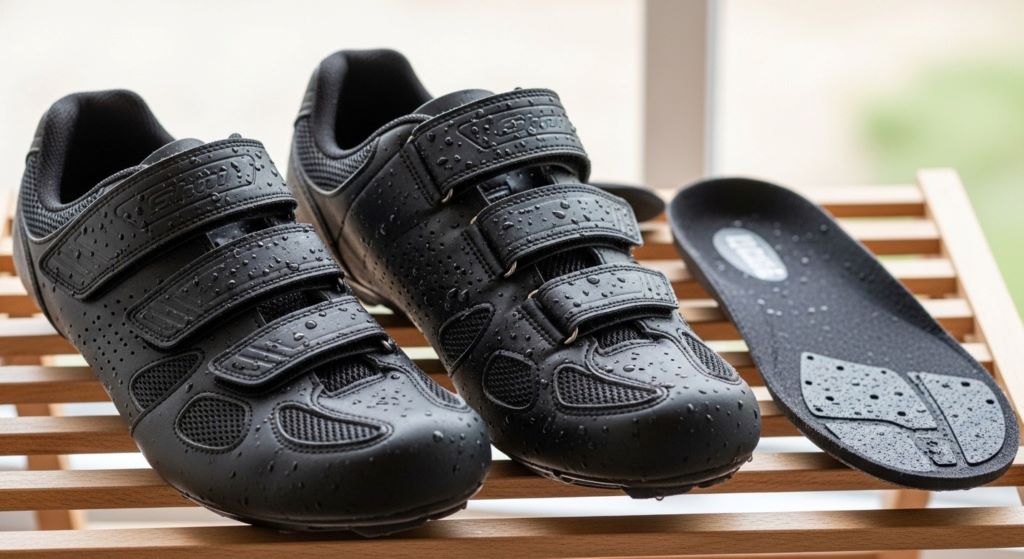
Cycling shoes represent a significant investment for any rider. Whether you’re a competitive racer or a weekend enthusiast, you want your footwear to deliver performance and comfort for as long as possible. With proper attention and regular upkeep, you can extend the lifespan of your cycling shoes significantly while maintaining their performance.
How to Choose Galvanized Rope Clamps for Outdoor Projects
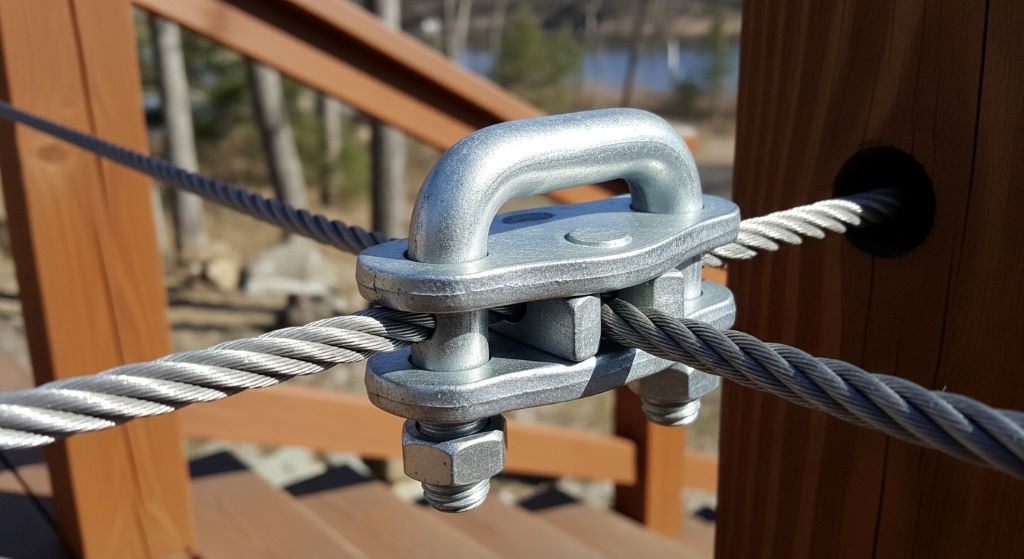
Securing cables and ropes properly is essential for any outdoor project. Whether you’re building a deck railing, setting up a zipline, or creating a garden trellis system, choosing the right clamps makes all the difference. This guide will walk you through everything you need to know about selecting galvanized rope clamps that will stand the test of time and weather.
How to Select Third Trimester Gift Ideas That Provide Comfort
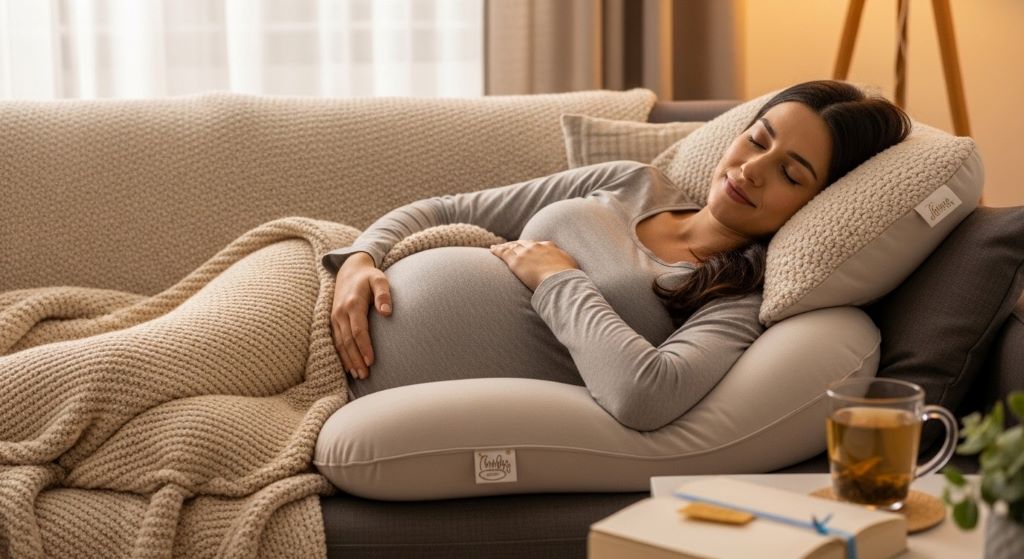
The final months of pregnancy bring unique physical and emotional challenges that deserve thoughtful recognition. Choosing the right gift for someone in their third trimester requires understanding what they’re experiencing and what might genuinely ease their discomfort. Unlike typical baby shower presents that focus on the infant, comfort gifts for late pregnancy acknowledge the mother’s needs during this demanding time.
How to Choose the Best Sunglasses for Fishing in 2026 (Complete Angler Guide)
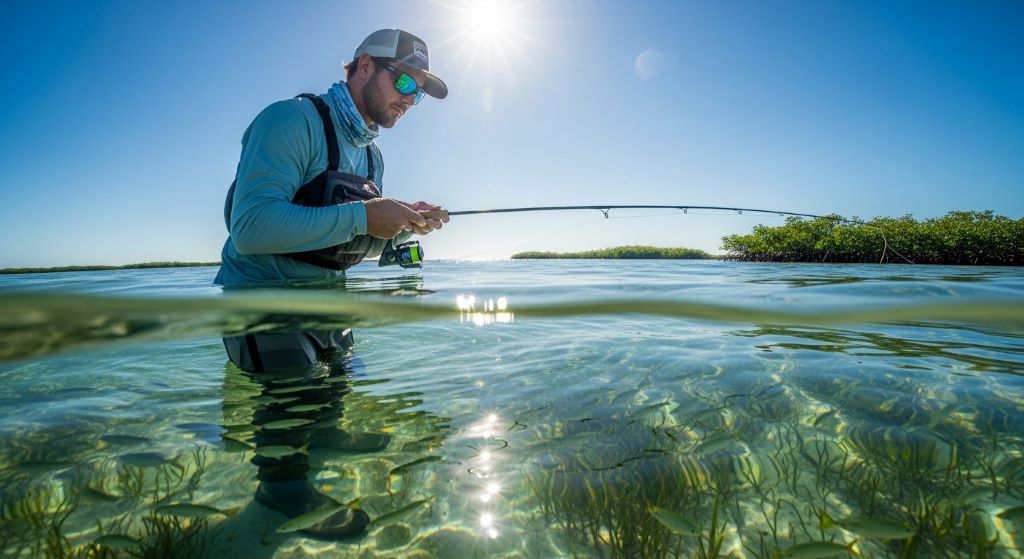
Selecting the right eyewear can transform your fishing experience from frustrating to exceptional. Many anglers underestimate how crucial proper eye protection is for both performance and safety on the water. Whether you’re casting in freshwater streams or battling saltwater giants, the right pair of sunglasses becomes an essential piece of equipment rather than just an accessory.
How to Build a Complete Surf Fishing Gear Setup in 2026
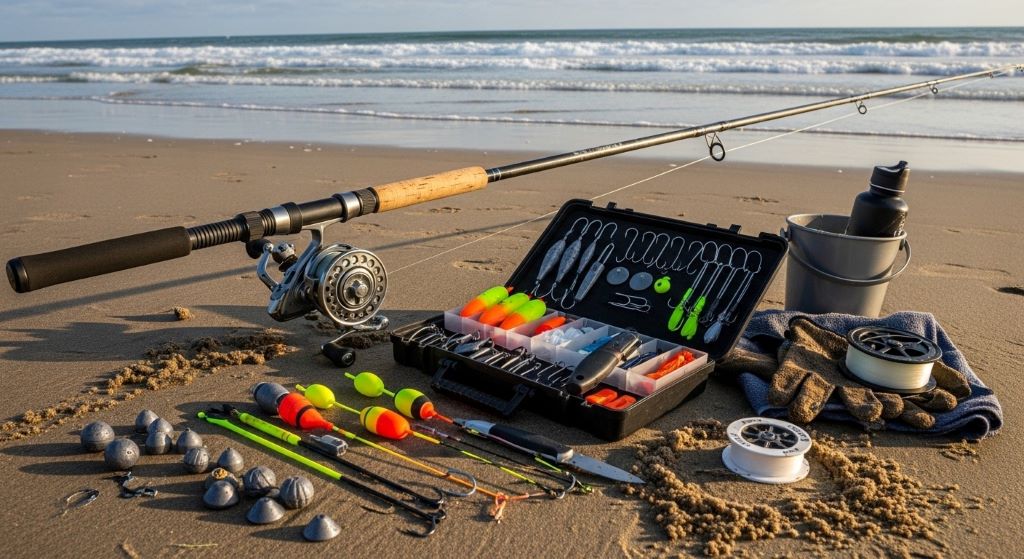
Surf fishing offers an incredible way to connect with nature while pursuing some of the ocean’s most exciting fish species. Standing on the beach with waves crashing around you creates an experience unlike any other type of fishing. However, success in this challenging environment requires the right equipment and knowledge.
How to Choose the Best Teacher Bags for 2026: Stylish & Practical Picks
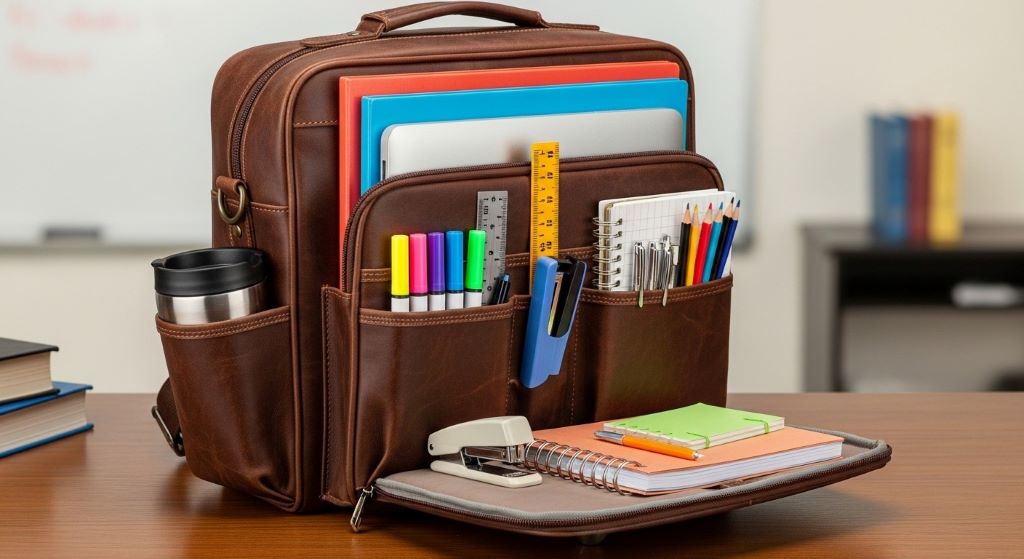
Teaching is a demanding profession that requires carrying numerous items daily. From lesson plans and grading materials to personal belongings and lunch, educators need bags that can handle it all. However, functionality doesn’t mean you have to sacrifice style. The right bag combines practicality with professional appearance, making your daily commute and classroom experience much more enjoyable.
How to Introduce New Fish to an Established Freshwater Aquarium
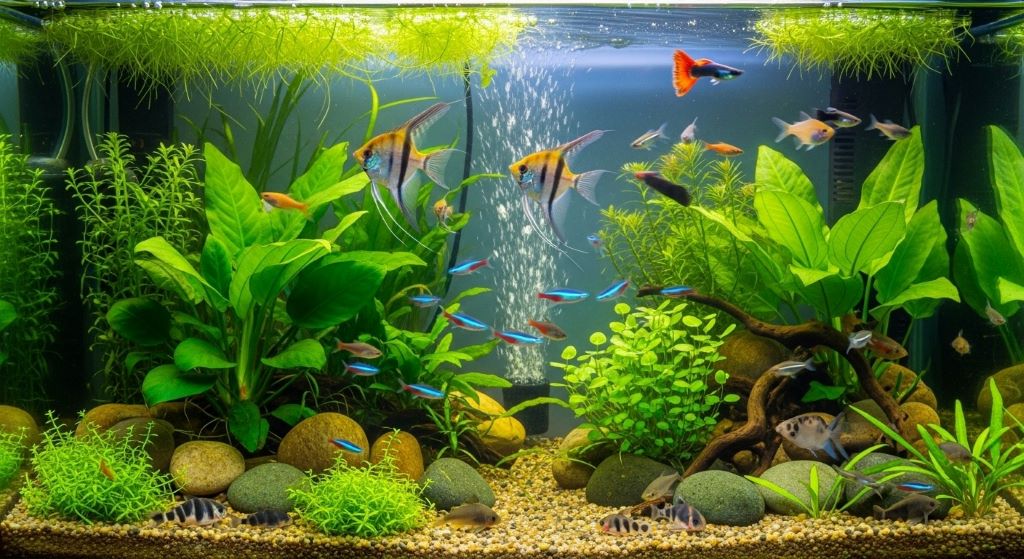
Adding new fish to your aquarium is exciting, yet it requires careful planning and patience. Many aquarium enthusiasts rush this process, leading to stressed fish, disease outbreaks, and even fatalities. This comprehensive guide will walk you through the proper steps to ensure your new aquatic friends thrive in their new home.
How to Identify Environmentally Friendly Surfboard Fins That Actually Perform
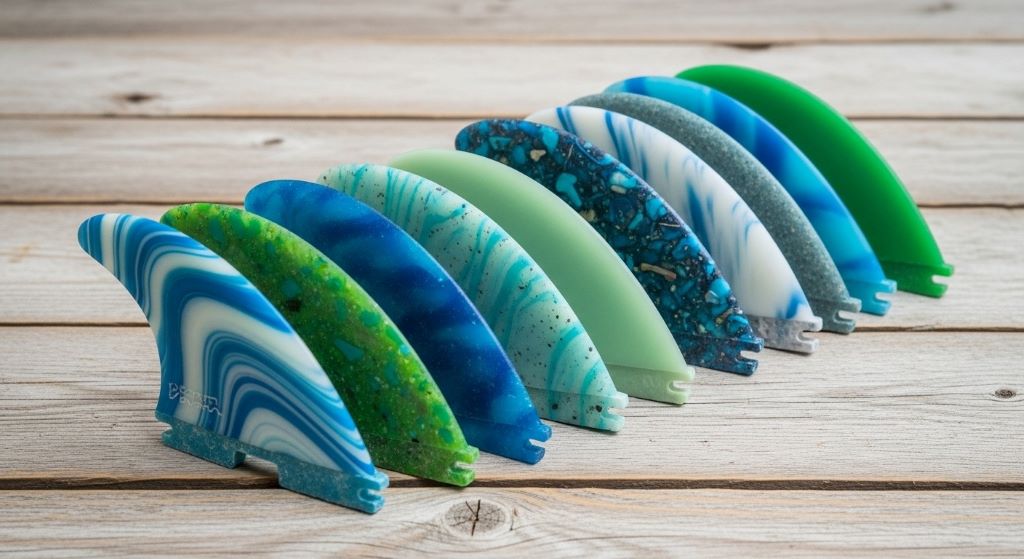
Surfing represents freedom and connection with nature. However, the industry behind this beloved sport has traditionally relied on materials and processes that harm the environment. As awareness grows, more surfers are seeking sustainable alternatives that don’t compromise performance. This guide will help you identify fins that protect the planet while delivering the responsiveness and drive you need in the water.