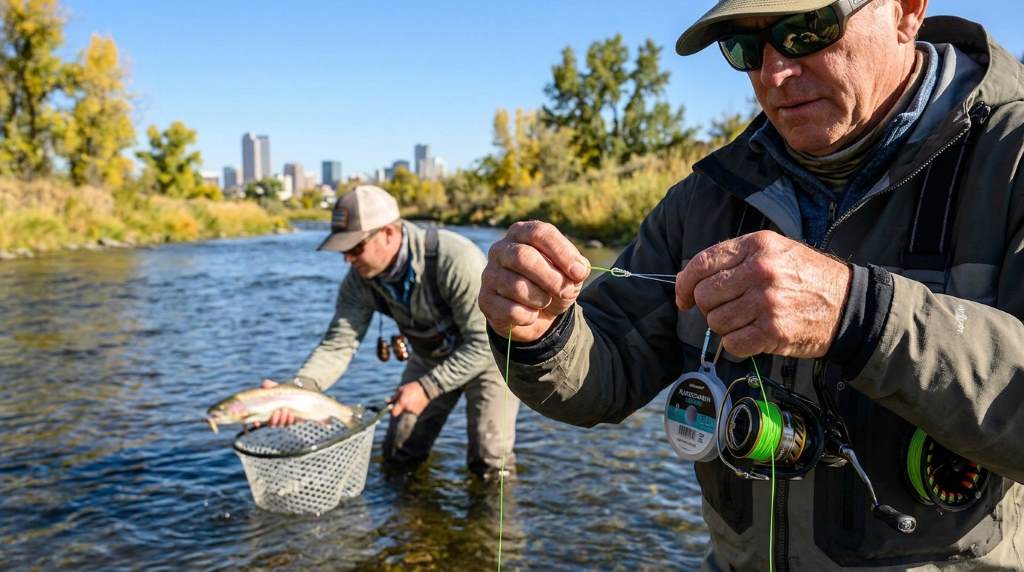
Denver, Colorado, sits near several active river systems that support fishing, wildlife, tourism, and public recreation. According to local environmental reports, Colorado loses thousands of pounds of fishing waste in waterways every year, which damages fish habitats and aquatic plants. Many anglers now understand that smart fishing methods help protect rivers while improving catch rates. One overlooked method involves joining braid and fluoro leader correctly to reduce line breakage and pollution. This small adjustment helps preserve river health in Denver while supporting responsible fishing practices.
The Growing Importance of River Conservation in Denver
Denver depends heavily on healthy rivers for recreation, tourism, and ecological balance. The South Platte River attracts anglers, hikers, kayakers, and wildlife watchers throughout the year. However, fishing debris and discarded tackle continue to create environmental pressure on these waterways. Conservation efforts now focus on reducing pollution from everyday outdoor activities.
Local conservation groups also encourage anglers to adopt low impact fishing methods during peak river seasons. Proper equipment reduces unnecessary waste while protecting fish populations from stress and injury. Many fishermen now use stronger line systems because they create fewer snapped lines in rough currents. Furthermore, anglers who prepare carefully often carry protective outdoor gear such as UV fishing sunglasses to stay safe during long hours beside Colorado rivers.
Why Braid and Fluorocarbon Work Better Together
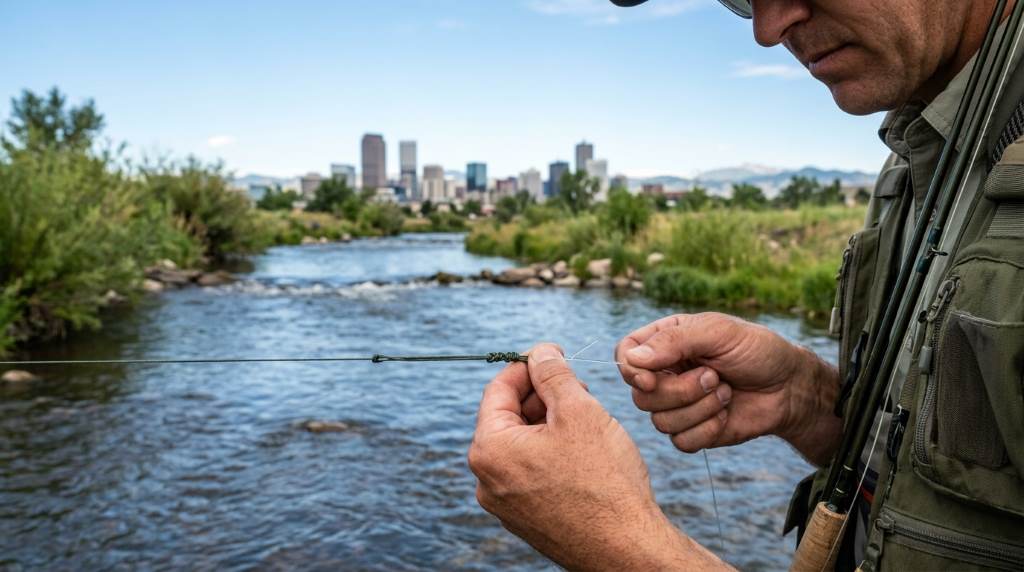
Braided fishing line offers excellent strength and casting distance for river fishing conditions in Denver. Fluorocarbon leaders remain nearly invisible underwater, which improves fish response in clear streams. When anglers combine both materials correctly, they gain better control with less equipment loss. As a result, rivers experience less fishing waste and lower environmental damage.
Denver rivers often contain rocks, submerged branches, and shifting currents that increase line abrasion. Braided line alone can fray quickly when dragged across sharp surfaces. Fluorocarbon leaders add protection near the lure while keeping the setup strong under pressure. This combination reduces snapped tackle that might otherwise remain trapped underwater.
Reducing River Pollution Through Smarter Fishing Techniques
Discarded fishing line remains one of the most harmful pollutants found in freshwater ecosystems. Birds, fish, and turtles often become trapped in loose line fragments left behind by careless anglers. Joining braid and fluorocarbon properly reduces sudden breakoffs that create this dangerous waste. Therefore, conservation experts recommend stronger knot systems for heavily fished areas around Denver.
Many local anglers now focus on reusable and long lasting gear rather than cheap disposable equipment. Durable setups reduce the frequency of tackle replacement and lower plastic waste in rivers. Strong leader connections also prevent hooks and sinkers from becoming embedded in riverbeds. Additionally, outdoor enthusiasts often carry compact gear like a portable foldable fishing chair to minimize clutter and avoid leaving unnecessary items near riverbanks.
How Denver’s Climate Affects Fishing Line Performance
Denver experiences rapid weather changes that can affect fishing conditions throughout the year. Summer heat increases UV exposure, while winter temperatures create stiff and brittle fishing lines. Braided line handles temperature changes better than many monofilament options in Colorado rivers. However, fluorocarbon leaders add additional protection during clear water conditions after snowmelt.
Strong winds also create challenges for river anglers across the Denver area. Braided line cuts through wind efficiently and allows longer casts with lighter lures. Fluorocarbon leaders help maintain lure presentation even during turbulent current shifts. Together, these materials create stable setups that reduce wasted gear during difficult weather conditions.
The Connection Between Strong Knots and Fish Survival
Fish survival rates improve when anglers land catches quickly and release them carefully. Weak knots often prolong fights because anglers lose control during heavy resistance. Strong braid to fluorocarbon connections shorten landing time and reduce stress on fish species. Consequently, trout populations in Denver rivers benefit from responsible tackle preparation.
Catch and release fishing has become increasingly popular in Colorado conservation programs. However, poor equipment still causes injuries when fish swim away carrying hooks and broken line. Reliable knots lower the risk of abandoned tackle remaining attached to fish. Proper line systems therefore support healthier ecosystems throughout Denver waterways.
Popular Knot Choices for Denver River Anglers
Several knots perform well when joining braid and fluorocarbon leaders in moving water. The FG Knot remains highly popular because it creates a slim and durable connection. The Double Uni Knot also works well for beginners who want fast and reliable results. Each knot offers advantages depending on river conditions and fishing style.
Experienced anglers in Denver often test different knots before seasonal fishing trips. Fast currents and rocky structures demand stronger line systems than calm lakes or reservoirs. Practicing knot tying at home helps prevent mistakes during active fishing hours. Simple preparation often prevents unnecessary pollution caused by snapped tackle.
Benefits of Using the FG Knot
The FG Knot creates an extremely slim connection that passes smoothly through rod guides. This feature improves casting distance in narrow river channels and crowded shoreline areas. Anglers also appreciate the knot’s excellent strength under heavy tension. Most importantly, it lowers the chance of line failure in rocky Denver streams.
Advantages of the Double Uni Knot
The Double Uni Knot remains one of the easiest options for beginner anglers. It works effectively with different line sizes and materials without requiring advanced skills. Many local fishermen prefer this knot during cold weather because it ties quickly with gloves on. Reliable performance makes it a practical choice for Denver river conservation efforts.
How Responsible Anglers Support Denver Conservation Programs
Many Denver fishing communities participate in river cleanup events throughout the year. Volunteers remove fishing line, hooks, plastic packaging, and other harmful debris from local waterways. Anglers who use strong braid and fluorocarbon setups contribute less waste during these cleanup campaigns. Small equipment decisions therefore create measurable environmental benefits.
Several conservation groups also teach ethical fishing methods to younger outdoor enthusiasts. Education programs encourage catch and release techniques, proper disposal habits, and safer line management. Teaching these habits early helps protect Colorado rivers for future generations. Responsible fishing culture continues to grow across Denver communities.
The Hidden Impact of Fishing Line on Aquatic Ecosystems
Many people underestimate how long fishing line remains in freshwater environments after disposal. Braided and synthetic materials can persist underwater for years without breaking down naturally. Wildlife often mistakes loose line for nesting material or food sources near riverbanks. This hidden threat creates long term ecological damage in Denver waterways.
Fluorocarbon leaders help reduce overall waste because they resist abrasion more effectively than weaker materials. Stronger connections also prevent repeated line replacement during difficult fishing sessions. Anglers who invest in durable setups usually leave behind less environmental damage. Better fishing habits therefore support cleaner and safer river ecosystems.
Practical Tips for Sustainable River Fishing in Denver
Anglers can take several simple steps to protect Denver rivers during fishing trips. Carrying small trash bags helps collect used line, bait containers, and packaging materials. Choosing durable knots also prevents unnecessary breakoffs in rocky current zones. Sustainable habits become easier when fishermen prepare carefully before entering the water.
- Use strong braid to fluorocarbon knots before each trip.
- Inspect leaders regularly for abrasion damage.
- Store discarded line in sealed containers.
- Avoid overcrowded riverbanks during spawning seasons.
- Support local conservation cleanup events annually.
Many anglers also prefer barbless hooks because they reduce fish injury during release. Lightweight tackle minimizes disturbance in shallow river habitats around Denver. Respecting local regulations further protects native fish populations from overfishing. Small changes in fishing behavior can produce significant environmental improvements over time.
Why Equipment Awareness Matters More Than Ever
Modern fishing technology continues to improve performance, durability, and environmental responsibility. However, many anglers still overlook the importance of proper line pairing and knot strength. Weak setups create avoidable pollution problems that affect rivers across Colorado. Better awareness helps fishermen make choices that support both recreation and conservation.
Outdoor education now plays a larger role in sustainable fishing culture throughout Denver. Experienced anglers often mentor beginners on responsible gear selection and river etiquette. These lessons encourage long term environmental stewardship among local communities. Conservation efforts become stronger when knowledge spreads through everyday fishing experiences.
Conclusion
Joining braid and fluorocarbon leaders correctly offers both environmental and practical benefits for Denver river anglers. Stronger connections reduce fishing waste, protect aquatic wildlife, and improve catch efficiency in changing Colorado conditions. Responsible equipment choices also support long term conservation efforts across heavily used river systems. Anglers who want safer outdoor experiences often explore resources about choosing fishing sunglasses while building sustainable river fishing habits.
Denver’s rivers need consistent care from everyone who enjoys outdoor recreation. Simple actions such as stronger knots, proper waste disposal, and ethical fishing practices create meaningful environmental change. Every responsible angler contributes to healthier waterways and stronger fish populations for future generations. Start improving your fishing setup today and become part of Denver’s growing river conservation movement.
FAQs
Why is braid and fluorocarbon joining important for river fishing?
It creates a stronger setup that reduces line breakage and lowers pollution in rivers.
Which knot works best for braid to fluorocarbon connections?
The FG Knot remains one of the strongest and most reliable choices for river anglers.
Does fluorocarbon help in clear Denver rivers?
Yes, fluorocarbon stays less visible underwater and improves lure presentation in clear water.
How does fishing line pollution affect wildlife?
Discarded line can trap birds, fish, and other aquatic animals for long periods.
Can sustainable fishing habits improve river conservation?
Yes, responsible fishing methods reduce waste and help protect freshwater ecosystems over time.